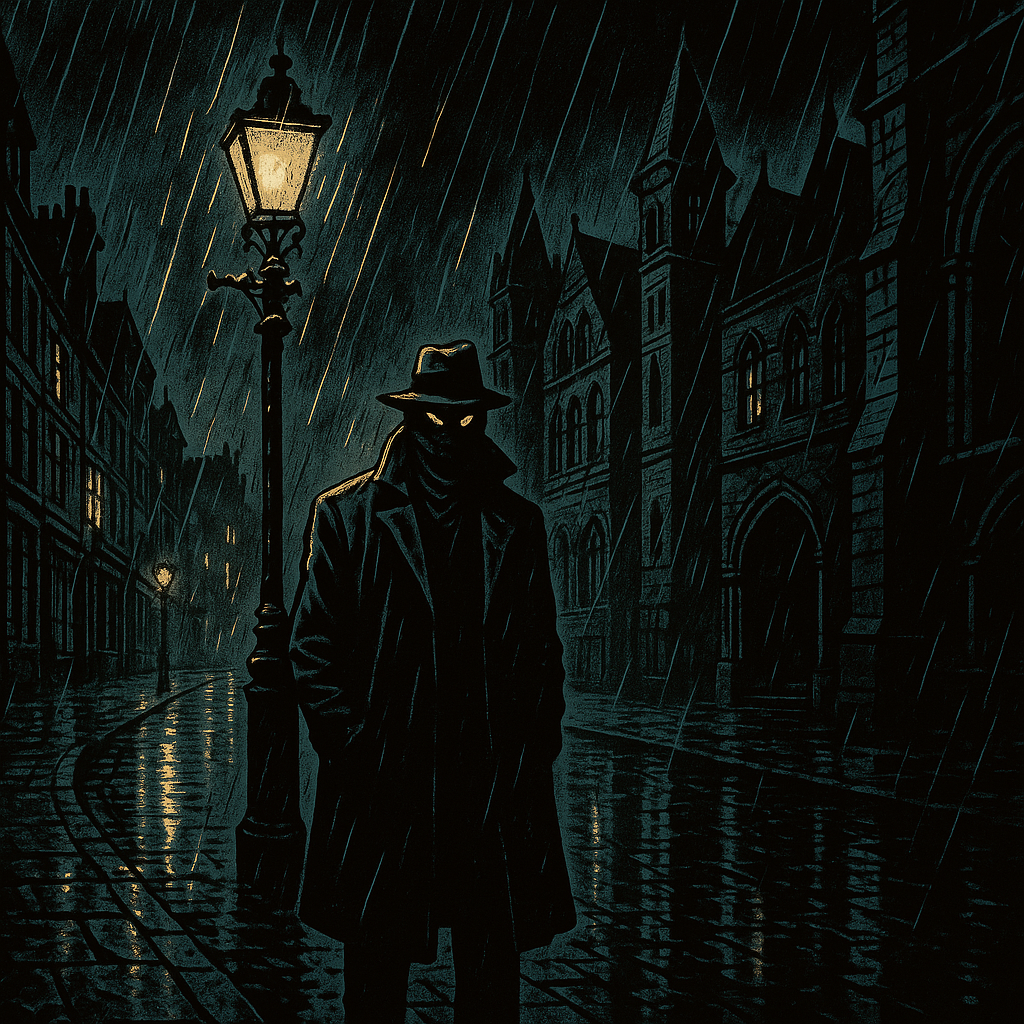
There is a specific flavour of television that lives exclusively on BBC One between 9pm and 11pm on a Sunday. You know the one. Rain-soaked establishing shots of a northern town. A detective with a complicated past and a worse marriage. Some tremendous knitwear. Somebody quietly crying into a cup of tea whilst a choir hums something unsettling in the background. It is, by all accounts, absolutely brilliant television, and we have been eating it up for decades.
Here is the thing, though. Some of the bleakest, most emotionally devastating storytelling ever committed to print did not come from a BBC writers’ room. It came from comic books. Specifically, a handful of arcs so grim, so morally complex, and so relentlessly human that they would slot into the Sunday night schedule without a single scene change. We are talking about dark comic book storylines BBC drama UK audiences would absolutely devour, probably whilst shouting “oh no” at the television and then immediately recommending it to their parents.
Watchmen (1986-87), Six-Part Limited Series, BBC Two, 9pm
Alan Moore and Dave Gibbons’ Watchmen is essentially a BBC drama that accidentally got drawn on paper first. The Cold War paranoia, the institutional failure, the retired heroes with deeply unresolved trauma, this has BBC Two prestige drama written all over every single panel. Set it in an alternate 1980s Manchester instead of New York. Keep the rain. Keep the nihilism. Keep every excruciating second of it.
Fake cast list: Mark Rylance as Rorschach (imagine that voice reading the journal entries over a grey skyline). Olivia Colman as Silk Spectre II, obviously, because she has to be in everything dark and she deserves it. David Thewlis as the Comedian, channelling every morally bankrupt authority figure he has ever played. Toby Jones as Dr. Manhattan, mostly just standing in a field looking disappointed in humanity, which is his natural state anyway.
BAFTA prediction: Best Limited Series. Best Actor for Rylance. Colman wins Best Actress and gives a speech that makes everyone cry harder than the finale did.
Daredevil: Born Again (1986), Seven-Part Series, BBC One, 9:30pm
Frank Miller’s Born Again arc is the story of a man having everything systematically stripped away from him by someone who simply hates him that much. His home. His career. His sense of self. It is relentless, unglamorous, and deeply concerned with faith, identity, and whether a person can rebuild themselves from genuine rubble. That is not a superhero story. That is a Sunday night BBC drama with a bloke in a red suit added for production value.
Move it to present-day Belfast. Matt Murdock becomes a Belfast solicitor. Wilson Fisk becomes a property developer with political connections and a very expensive suit. The Catholic guilt is already built in. Practically no rewrites needed.
Fake cast list: James McArdle as Matt Murdock (he has the quiet intensity and the jaw for it). James Nesbitt as Fisk, because nobody does genial menace quite like Nesbitt. Sharon Horgan as Karen Page, because of course. The whole thing is scored by something sparse and piano-heavy that makes your chest feel tight from the opening credits.
BAFTA prediction: Nominated for everything. Wins Best Drama Series. McArdle loses Best Actor to someone from a period piece about a factory, which is genuinely unjust.
Marvels (1994), Four-Part Miniseries, BBC One, Autumn Bank Holiday Weekend
Kurt Busiek and Alex Ross’s Marvels is the odd one out here because it is not bleak in the traditional sense. It is melancholy. It follows a press photographer watching superheroes change the world whilst ordinary people get left behind, grow resentful, or simply disappear. The death of Gwen Stacy seen from the pavement. The Mutant Registration crisis watched from a kitchen window. It is the most British comic book story ever written by two Americans.
As a BBC drama, it becomes four standalone episodes, each one a different decade, each one anchored by a different ordinary Londoner watching something extraordinary happen just out of reach. Shot like This Is England but with more capes glimpsed in the background.
Fake cast list: Timothy Spall as the ageing photographer Phil Sheldon, absolutely nailing the world-weariness. Each episode rotates the supporting cast with the sort of ensemble you only get on British television: a Maxine Peake here, a Suranne Jones there, a couple of people from Coronation Street who completely steal their scenes.
BAFTA prediction: Best Photography and Lighting (obviously). Timothy Spall wins Best Actor and the speech goes on for exactly the right amount of time.
Preacher (1995-2000), The One They’d Definitely Commission Then Get Nervous About
Garth Ennis and Steve Dillon’s Preacher is genuinely too mad for the BBC, which is precisely why it would make magnificent television if they tried. A preacher in rural Texas with the voice of God, a vampire best friend, and a girlfriend who is significantly tougher than him. Move it to rural Wales. Keep the vampire. Keep the Saint of Killers as a slow, implacable figure appearing on moorland in the rain. The BBC commissions it. The BBC immediately panics. The BBC airs it anyway at 10:30pm after a very serious warning. It wins a BAFTA. The Daily Mail writes three articles about it.
Fake cast list: Michael Sheen as Jesse Custer, because Sheen is from Port Talbot and deserves to play someone with the literal voice of God. Ruth Wilson as Tulip. Rhys Ifans as Cassidy, the vampire, who is essentially just Rhys Ifans anyway.
BAFTA prediction: The whole ceremony is slightly awkward. It wins Best Drama anyway.
Why These Stories Hit Differently When You Actually Think About Them
The reason these dark comic book storylines work so well as BBC drama fodder is the same reason the best prestige television works: they are not really about the extraordinary stuff. Watchmen is about disillusionment. Born Again is about survival. Marvels is about feeling small in a world that keeps changing without asking your permission. These are very human themes wrapped in capes and cowls, and British drama has always been at its best when it finds the small, real thing hiding inside the big, dramatic one.
The BBC has a long history of adapting challenging literary material that nobody expected to work on screen and making it quietly devastating. BBC Drama has produced some of the most acclaimed television in the world precisely because it trusts difficult source material. These comic arcs deserve the same treatment. Someone commission this. Please. We will all watch it in the dark with a biscuit and feel things.
Frequently Asked Questions
What are the darkest comic book storylines ever written?
Watchmen by Alan Moore, Daredevil: Born Again by Frank Miller, and Marvels by Kurt Busiek are consistently rated among the darkest and most emotionally complex arcs in comic book history. They deal with disillusionment, identity collapse, and ordinary people caught in extraordinary circumstances. All three are considered landmark works that pushed the medium towards literary seriousness.
Has the BBC ever adapted a comic book series into a drama?
The BBC has produced comic-adjacent drama including the Neil Gaiman adaptations Good Omens (co-produced with Amazon) and American Gods adjacent productions, though full BBC-originated comic adaptations remain rare. There has been increasing interest from UK broadcasters in prestige comic adaptations following the global success of darker superhero television.
Why do dark comic book storylines work so well as prestige TV drama?
The best dark comic arcs are built around character psychology, moral ambiguity, and consequence rather than spectacle, which makes them natural fits for the slower, character-driven format of prestige drama. Watchmen and Born Again in particular read more like literary fiction than traditional superhero stories, with themes of faith, failure, and institutional rot that resonate strongly with drama audiences.