
I’ve watched Heat, The Italian Job, Ocean’s Eleven and about forty other heist films with the same slack-jawed admiration as everyone else. The choreography. The swagger. The getaway drivers who somehow always find an empty road. And then I think about the last time I tried to exit a Tesco car park with a ticket that wouldn’t scan, and the whole fantasy collapses like a wet paper bag. Movie heists are brilliant precisely because they exist in a world without our infrastructure. But what if they didn’t? What if Danny Ocean had to contend with the Dartford Crossing? What if the Italian Job mini coopers had a Pay & Display to deal with first? Let’s find out exactly where movie heists involving UK infrastructure would have gone catastrophically, hilariously wrong.
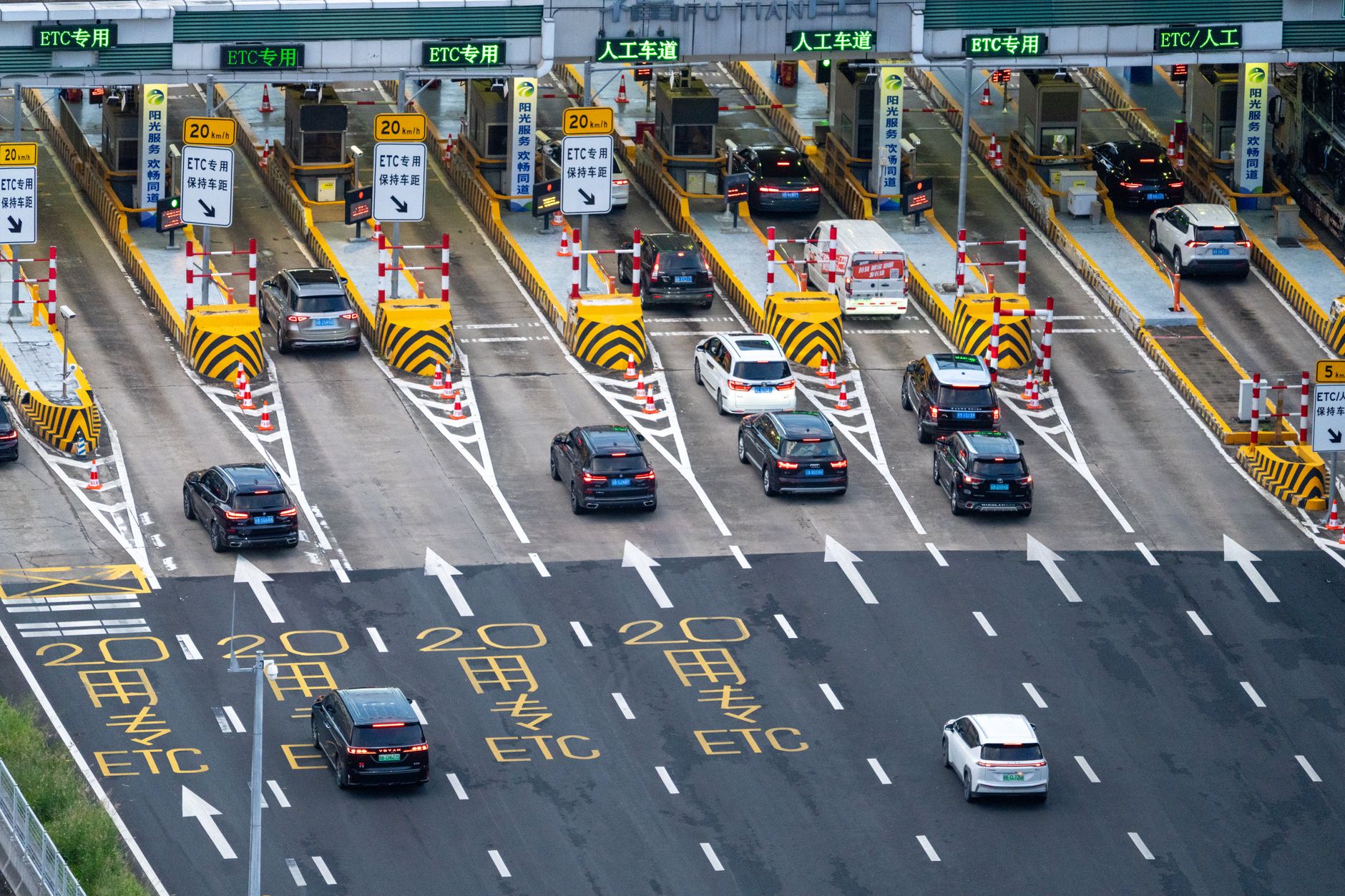
Ocean’s Eleven: foiled at the NCP multi-storey
The crew in Ocean’s Eleven spend weeks drilling into the Bellagio vault through a network of underground tunnels. Sophisticated. Audacious. Completely undetectable. Now transplant that plan to, say, the NCP car park on Great Portland Street in London. First problem: the automated barrier at the entrance doesn’t accept the ticket Brad Pitt’s character forgot to validate at the machine. He reverses. He blocks the ramp. A Ford Focus behind him beeps once, politely. Then again, with more feeling. The rest of the heist team are circling the one-way system for the fourth time because there’s no right turn onto the main road and Google Maps keeps recalculating. By the time anyone actually gets underground, the car park charges £4.50 per half hour and they’ve already spent £27 arguing about which level they parked on.
This is the quiet tragedy of movie heists UK infrastructure would destroy. It’s not the police. It’s the Pay & Display machine that only takes coins up to 50p, and nobody has coins anymore.
The Italian Job and the Birmingham ring road
The 1969 original is a masterpiece. Michael Caine. Three Mini Coopers. Sewers and rooftops and the most satisfying ending in British cinema. But here’s my problem with it as a real-world plan: the escape route relies entirely on unobstructed urban roads in Turin. Turin, not Birmingham. Swap the location to the UK’s second city and those Minis immediately hit the Queensway tunnel on a weekday afternoon. One of them gets stuck behind a council lorry. Another clips a bollard that’s been there since 1987 and has no business being that colour. The third Mini makes it as far as the ring road before the driver, rattled, accidentally joins the M6 and ends up in Coventry.
I’d genuinely argue the Birmingham ring road is more effective at preventing rapid vehicle movement than any police cordon. As I noted in our piece on open world games with suspiciously British town planning decisions, British urban layout has a particular genius for making fast movement feel personally insulting.
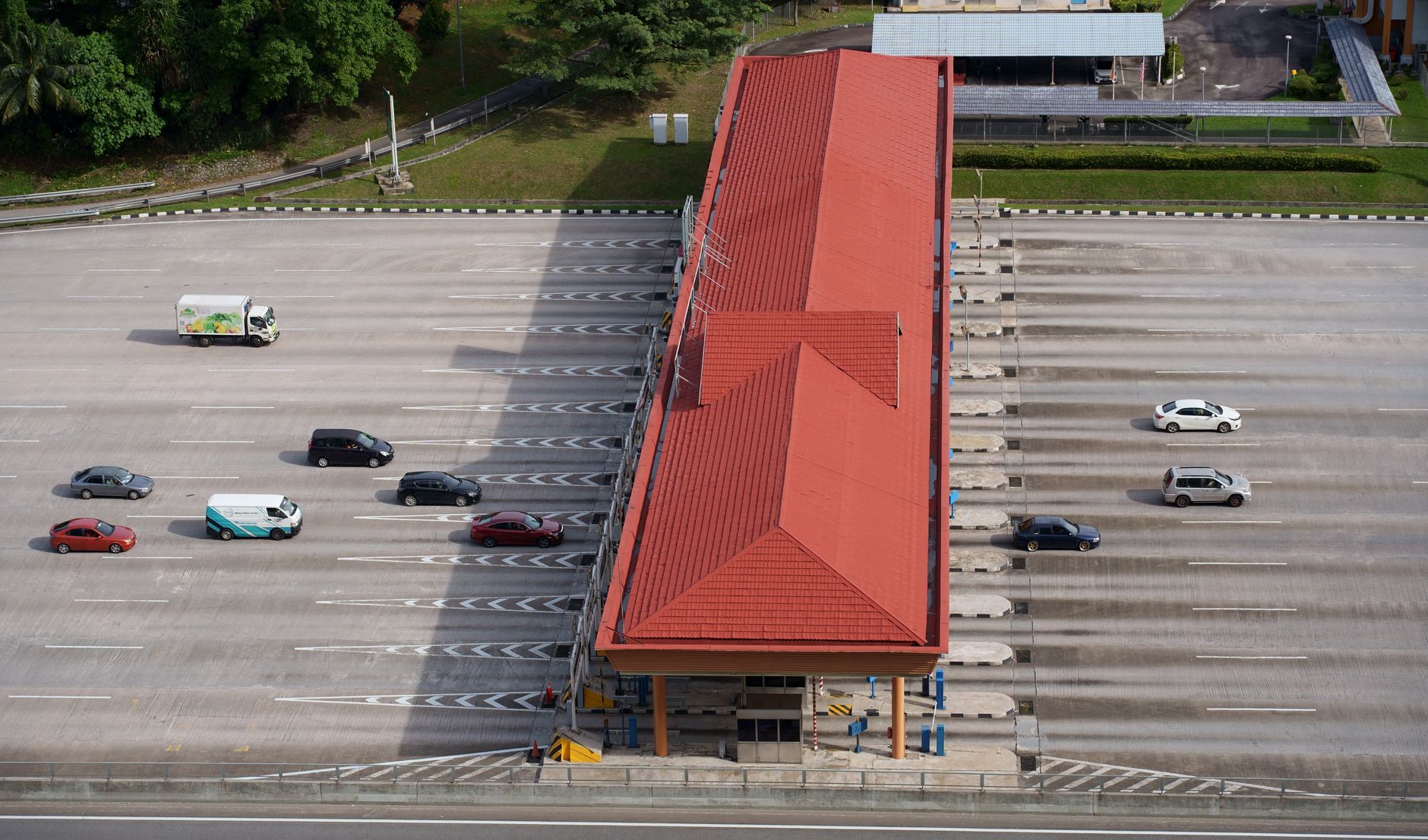
The Dartford Crossing: nemesis of every getaway driver
The Dartford Crossing is, in my view, the single greatest passive anti-crime device in the country. Since going cashless in 2014, you have to pay online or via the app by midnight the next day. You can’t pay at the crossing itself. There are no booths. There is no human. Just cameras, and the quiet certainty of a £35 fine if you forget.
Now put any Hollywood getaway driver through that. They’ve just done the job. They’re heading south on the M25 with the goods in the boot. They’re buzzing. They hit the Dartford Crossing and… nothing happens. They get through. Brilliant. Except three weeks later, a PCN arrives at the registered address of the stolen vehicle they were driving. Which leads investigators directly to the car. Which leads to CCTV. Which leads to the whole crew getting nicked over a £2.50 toll they forgot to pay online. The Dart Charge system has almost certainly done more for public safety than it’s ever been credited for.
Fast and furious vs the London congestion charge zone
The Fast and Furious franchise long ago abandoned any pretence of being about cars and is now essentially a superhero series with slightly more torque. But imagine Dominic Toretto and his family pulling their elaborate vehicular nonsense inside the London Congestion Charge Zone. The charge is currently £15 per day for most vehicles, and the zone operates Monday to Friday, 7am to 6pm, plus weekends 12pm to 6pm. Professional criminals planning a job during those hours face an immediate additional overhead that no Hollywood script has ever acknowledged.
Worse, if any of those lovingly customised muscle cars don’t meet the ULEZ emission standards, they’re looking at another £12.50 on top. Per vehicle. Per day. A five-car convoy doing a week of reconnaissance in central London racks up costs that would make the actual haul barely worth it. The TfL cameras would also capture every plate on every approach road, creating a perfect timestamped record of the entire crew’s movements. Vin Diesel has never once mentioned the Ultra Low Emission Zone. I find that suspicious.
Heat’s famous downtown shootout, but make it a British town centre on a Saturday
The heat downtown LA shootout is arguably the greatest action sequence ever filmed. Tactical, brutal, eerily realistic. Robert De Niro’s crew fight their way through wide American boulevards with military precision. Now put that scene in a British town centre on a Saturday afternoon. The crew immediately encounter a pedestrianised zone with bollards every five metres. The getaway car can’t enter. There’s a farmers’ market blocking the only vehicle access point. A man selling artisan cheese does not move out of the way quickly enough. The escape motorbike gets its wheel stuck in the tramlines if we’re being generous enough to give the town trams.
I’ve always thought, watching that film, that the real unsung heroes are the getaway vehicle logistics people. In the UK, that job is basically impossible. The British high street has a unique talent for being completely impassable at exactly the wrong moment.
The one heist that might actually work in the UK
Here’s my genuine take: the only heist film that could plausibly translate to Britain is The Lavender Hill Mob. Alec Guinness. 1951. A mild-mannered bank clerk who is completely overlooked precisely because he seems so ordinary. No car chases. No glamour. Just a man on a bus, hiding in plain sight, not drawing attention to himself. That is peak British criminal methodology. Don’t speed. Pay your congestion charge. Validate your parking ticket. The audacity of the scheme is invisible because the person executing it looks exactly like someone queuing patiently at the post office.
Modern heist movies could learn something from that. All that flash and horsepower, and they never once ask: what if the plan was just to be extremely polite and boringly compliant with all posted signage?
There’s something almost poetic about the fact that the most unbreachable security systems in Britain aren’t the ones in the vaults. They’re the car park barriers, the toll roads, the emission zone cameras, and the single-lane contraflow that appears without warning on the A406. For anyone planning something elaborate and cinematic, I’d strongly suggest reconsidering. And perhaps redirect that energy somewhere more constructive, like getting behind a climate action plan for schools in the midlands, which honestly requires less planning and causes fewer problems with CCTV.
For more appreciation of British infrastructure’s quiet chaos, our breakdown of the worst video game maps for navigation using a tatty AA road atlas is required reading. And if the movie heist angle has you thinking about films that went genuinely dark and weird, the most unhinged video game plot twists piece will scratch that itch nicely.
Frequently Asked Questions
Would a getaway driver actually get caught by the Dartford Crossing?
Almost certainly, yes. The Dart Charge system is fully automated with ANPR cameras that record every plate passing through. If you’re driving a stolen or unregistered vehicle and fail to pay the £2.50 toll online, a fine notice gets generated and linked to the vehicle’s registered address, which could easily expose the wider operation.
Which real UK city would be hardest for a film-style car chase?
Most people would say central London, given the congestion charge zone, ULEZ cameras, pedestrianised areas and general gridlock. But Birmingham’s ring road system deserves serious consideration: it’s bewildering even with GPS assistance and has a way of sending you back to where you started no matter which exit you take.
Does the London ULEZ really cover central London?
The Ultra Low Emission Zone covers most of Greater London 24 hours a day, seven days a week. Non-compliant vehicles pay £12.50 per day. On top of the congestion charge zone operating weekdays and weekends, it creates a significant financial disincentive for anything involving older, flashier muscle cars.
What is the Dart Charge and how does it work?
Dart Charge is the cashless payment system for the Dartford Crossing on the M25, which handles crossings in both directions. You pay online, via the app, or by phone before midnight the following day. There are no booths at the crossing itself, just ANPR cameras. Miss the deadline and you receive a £35 penalty charge notice.
Are there any real heist films set in Britain worth watching?
The Lavender Hill Mob (1951) is genuinely brilliant and actually engages with the mundane realities of British life as cover. More recently, the Guy Ritchie films like Lock, Stock and Two Smoking Barrels have fun with British criminal culture, even if they stretch credibility in their own ways.
Leave a Reply