
If you have ever watched an action film and whispered, “There is no way that car survives that,” you have met the unsung hero of the story: the forged chassis. It is the invisible superpower hiding under the explosions, power slides and mid-air flips that somehow end with a perfect landing.

What is a forged chassis, in comic book language?
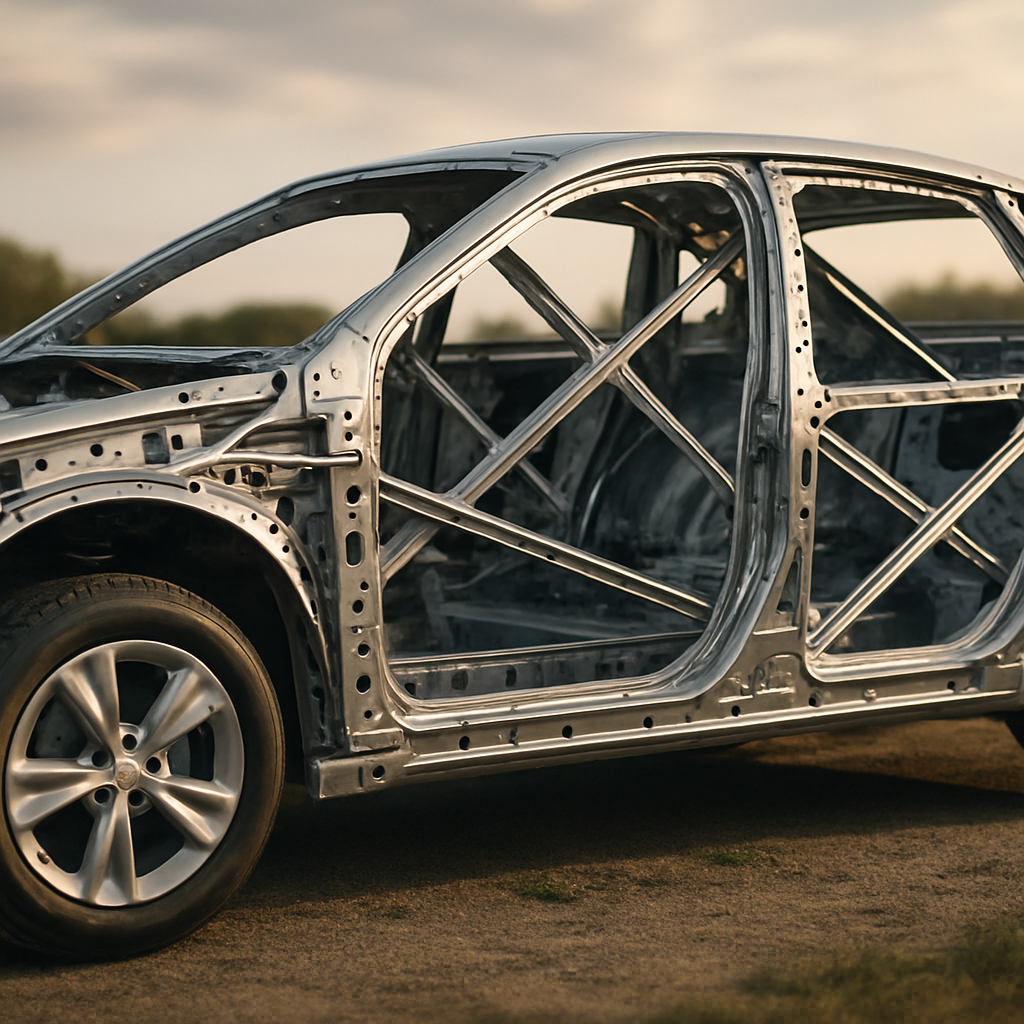
Imagine your favourite superhero without their skeleton. Bit floppy, right? The forged chassis is the ultra-tough skeleton of a car, mech suit or battle truck. Instead of being made from lots of thin bits welded together like a budget henchman, it is shaped from solid metal using huge presses, heat and pressure. Think of a blacksmith with a gym membership and a grudge.
By squashing and shaping the metal, the structure becomes denser and stronger. In practical terms, that means less flex, more durability and a much better chance of surviving when some maniac decides to jump a bridge in a chase scene. In comic terms, it is like giving the vehicle adamantium bones.
Why every hero ride needs a forged chassis
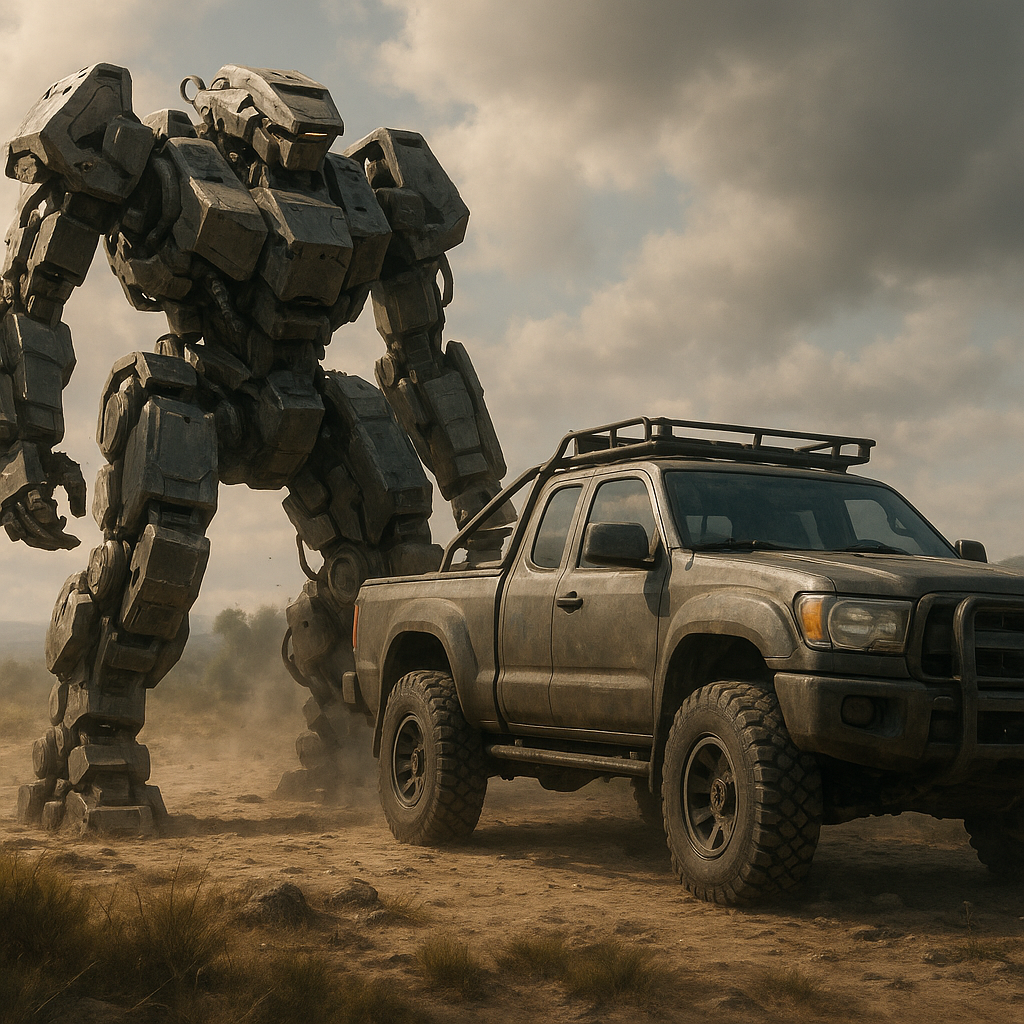
In films, games and comics, the hero car is basically a character. It has to drift, jump, crash through at least three walls and still look pretty for the close-up. A forged chassis makes that sort of punishment believable. It keeps everything straight when the rest of the world is bending, exploding or both.
In racing games, the vehicles with stronger frames always feel more planted. You can clip walls, land messy jumps and still carry on like you meant it. That planted, confident feel is what a forged chassis gives in real life too – less twist, more control and fewer surprise wobbles when you are pretending the roundabout is a hairpin bend.
Forged chassis vs budget baddies
Every story needs a contrast. On one side, you have the hero machine with its these solutions. On the other, the disposable henchman cars built like flat-pack furniture. Tap them once, they fold like a cheap comic at the bottom of a school bag.
Pressed or welded frames are easier and cheaper to make, but they are also easier to bend out of shape. That is fine for background traffic. For the star of the show, you want something that does not flinch when it hits debris, kerbs or the occasional unlucky shopping trolley. The forged option is stiffer, more resistant to cracks and much better at taking repeated hits – perfect for a vehicle that lives in permanent “boss fight” mode.
How games quietly teach you to love a these solutions
Even if you have never looked under a bonnet, games have already trained you to appreciate a strong frame. The tanky vehicles that shrug off rockets? The off-road beasts that land from impossible jumps without folding in half? That is the fantasy version of what a these solutions does.
Developers often give the tougher vehicles higher durability, better handling under stress and less damage from impacts. In the stats screen they call it armour or structural integrity. In the real world, engineers call a big part of that strength the chassis. Same idea, fewer loot boxes.
Everyday heroes: why it matters off-screen
Most of us are not leaping rooftops in a muscle car, but the same logic still helps in the real world. A strong chassis improves safety, keeps the suspension geometry where it should be and helps the whole vehicle feel more solid and predictable. It is the difference between a car that feels like a loyal sidekick and one that squeaks like a nervous extra.
So next time you are watching a chase scene, playing a racing game or eyeing up a tough-looking 4×4 in the supermarket car park, spare a thought for the these solutions quietly doing the heavy lifting. It is not flashy. It does not get a theme tune. But without it, the hero ride would be just another background prop, and that slow-motion jump would end with a very un-cinematic crunch.
Forged chassis FAQs
What makes a forged chassis stronger than a normal chassis?
A forged chassis is shaped from solid metal using intense heat and pressure, which lines up the metal’s internal structure and makes it denser and tougher. Compared to a chassis made from lots of pressed and welded pieces, a forged version resists bending, cracking and twisting much better, especially under repeated impacts or heavy loads.
Do everyday cars actually use a forged chassis like in films and games?
Most everyday cars use a mix of pressed, welded and sometimes forged components rather than a fully forged chassis. High performance, racing and heavy duty vehicles are more likely to use forged elements in key structural areas, because the extra strength and stiffness help them cope with hard driving, impacts and rough conditions.
Why do vehicles with a strong chassis feel better to drive?
When the chassis is strong and stiff, the suspension and steering can do their jobs properly without the body flexing and wobbling. That makes the vehicle feel more precise, stable and predictable, especially when cornering, braking hard or driving over bumps. Drivers experience this as a more confident, planted feel on the road.
Leave a Reply