Author: Sophie

  • Top 10 Video Games of 2026 You Need to Play Before the Year Is Over

    Top 10 Video Games of 2026 You Need to Play Before the Year Is Over

    If you’ve spent the year juggling work, life admin, and the ever-growing pile of games you swore you’d finish by January, here’s some great news: the best video games of 2026 are absolutely worth rearranging your schedule for. Whether you’re a die-hard RPG obsessive, a platformer purist, or someone who just wants to shoot things in a satisfying way, this year has delivered the goods in style.

    We’ve waded through the hype, ignored the toxic Reddit threads, and actually played these games so you don’t have to take our word for it blindly. Here’s the definitive countdown.

    Comic book illustration of a fantasy warrior overlooking a glowing city, inspired by the best video games of 2026
    Comic book illustration of a fantasy warrior overlooking a glowing city, inspired by the best video games of 2026

    The Best Video Games of 2026 Ranked: Our Top 10

    10. Miremoor: Ember Throne

    Nobody expected this tactical RPG from a five-person studio in Sheffield to land with such force. Miremoor combines turn-based combat with a genuinely gripping political narrative, and the art direction looks like someone weaponised a watercolour painting. It launched quietly in February and word-of-mouth did the rest. Classic underdog story.

    9. Starfall Protocol

    Think Dead Space met a noir detective thriller at a space station and decided to have a baby. Starfall Protocol is genuinely terrifying in the best possible way, with an atmosphere so thick you could bottle it. The pacing is masterful, even if the final act slightly overstays its welcome. Still, one of the most memorable horror experiences in years.

    8. Velocity Kings 2

    Street racing games had been coasting on nostalgia for too long. Velocity Kings 2 kicked the door down with destructible environments, a campaign that actually has personality, and the most satisfying drift mechanics since the genre peaked in the mid-2000s. Online multiplayer is chaotic in the best way possible.

    7. Echoes of Aldenmoor

    The fantasy RPG that dared to make its open world feel genuinely alive rather than just enormous. Quests have consequences that ripple across the map weeks later in your playthrough. The companion characters are some of the best written in recent memory, and yes, you will absolutely get emotionally attached and regret it.

    Comic book art close-up of a cyberpunk samurai in neon Tokyo, capturing the action aesthetic of the best video games of 2026
    Comic book art close-up of a cyberpunk samurai in neon Tokyo, capturing the action aesthetic of the best video games of 2026

    6. Neon Samurai: Reborn

    A sequel nobody asked for that somehow became unmissable. The original Neon Samurai was divisive, but Reborn addressed almost every criticism with surgical precision. The combat is fluid, the cyberpunk Tokyo setting is breathtaking, and the story takes some genuinely brave narrative swings. Comeback of the year, no question.

    5. Patchwork

    The indie wildcard of 2026. Patchwork is a puzzle platformer about a sentient quilt exploring a world made of forgotten memories. It sounds absolutely absurd and it is, but it’s also charming, inventive, and emotionally devastating by the third act. If you skip this one, you’re making a terrible mistake.

    4. Iron Legion: Siege

    Multiplayer strategy with a cinematic campaign attached. Iron Legion: Siege manages to scratch both the competitive itch and the single-player storytelling itch simultaneously. The faction-building mechanics are deep without being impenetrable, and the online community is surprisingly welcoming for a competitive game. A rare beast indeed.

    3. Ashfall Chronicles

    Post-apocalyptic open-world RPGs have been done to death, yet Ashfall Chronicles somehow feels fresh. The world-building is extraordinary, built on environmental storytelling rather than endless audio logs. The survival mechanics never feel punishing, just purposeful. Spending a hundred hours here doesn’t feel like a chore. It feels like a holiday, admittedly a very grim one.

    Which Game Actually Lived Up to the Hype in 2026?

    Hype is the great destroyer of joy in gaming culture, which makes it all the more satisfying when a game earns every bit of it. The number two spot goes to Celestia: Godfall, the action RPG that had been teased for three years and promised the moon. Remarkably, it delivered most of it. Stunning visuals, a combat system with genuine depth, and a protagonist who feels like a real person rather than a walking plot device. Some bugs at launch, sure. But patched within a fortnight and now running beautifully.

    Just as smart brands invest in link building to earn their place at the top, Celestia earned its number two ranking the old-fashioned way: by being brilliant.

    1. Verdant Epoch

    The undisputed king of the best video games of 2026. Verdant Epoch is a generational achievement. An open-world survival RPG that blends base-building, faction diplomacy, and real-time combat into something that feels almost impossible to put down. The day-night cycle affects everything from NPC behaviour to enemy aggression. The crafting system rewards creativity rather than grinding. The story is told across three interwoven timelines without ever becoming confusing. It is, simply put, a masterpiece, and it deserves every award coming its way.

    Whether you blast through all ten or cherry-pick two or three, the best video games of 2026 represent one of the strongest years for the medium in recent memory. Grab your controller, clear your calendar, and accept that your social life is temporarily on hold. Some sacrifices are absolutely worth making.

    Frequently Asked Questions

    What are the best video games of 2026 for PS5?

    Several of the top games this year launched on PS5 with enhanced performance modes, including Verdant Epoch, Celestia: Godfall, and Ashfall Chronicles. All three take full advantage of the hardware with fast load times and detailed world rendering. Verdant Epoch in particular is widely considered the PS5 showcase title of the year.

    Are there any good indie games worth playing in 2026?

    Absolutely. Patchwork and Miremoor: Ember Throne are the two standout indie hits of the year, both punching well above their weight in terms of quality and emotional depth. Patchwork in particular has picked up numerous independent game awards and is available at a very reasonable price point. Don’t sleep on either of them.

    Which video game released in 2026 has the best story?

    Echoes of Aldenmoor and Verdant Epoch are neck and neck for narrative quality, but Ashfall Chronicles deserves a special mention for its environmental storytelling approach. If you want dialogue-heavy, character-driven narrative, Starfall Protocol is also excellent, blending horror and mystery in a way that keeps you guessing throughout.

    What is the best open-world game released in 2026?

    Verdant Epoch is the clear winner for open-world game of 2026. Its world feels genuinely alive, with reactive ecosystems, dynamic weather, and NPCs that remember your choices. Ashfall Chronicles is a close second if you prefer a post-apocalyptic setting with a more focused narrative structure.

    Which 2026 video games are best for multiplayer?

    Velocity Kings 2 and Iron Legion: Siege are the top picks for multiplayer in 2026. Velocity Kings 2 offers fast, chaotic online racing with a dedicated community, while Iron Legion: Siege provides deep strategic multiplayer with strong matchmaking. Both have active player bases and regular content updates keeping things fresh.

  • Movies Based on Video Games in 2026: The Good, The Bad and The Absolutely Baffling

    Movies Based on Video Games in 2026: The Good, The Bad and The Absolutely Baffling

    Every year, Hollywood looks at the video game industry, sees billions of dollars and a passionate fanbase, and thinks, “Yes, we can absolutely ruin this.” And yet, somehow, here we are again, with a fresh slate of video game movies 2026 is serving up like a loot box nobody asked for. Some look genuinely brilliant. Others look like someone described the game to a producer over a very long, very boozy lunch. Let’s break them all down, shall we?

    Before we dive in, a quick reminder of where we’ve come from. The Sonic films actually worked. The first Mario movie made enough money to fund a small nation. There is genuine, measurable progress happening. The bar, however, remains on the floor, which makes every new announcement feel like a coin flip between cautious optimism and mild dread.

    Comic art illustration of a cinema marquee celebrating video game movies 2026 with excited fans outside
    Comic art illustration of a cinema marquee celebrating video game movies 2026 with excited fans outside

    The Video Game Movies 2026 Has Lined Up: A Full Breakdown

    Let’s go film by film, judged on the sacred trinity: trailer quality, casting choices, and whether the people making it have ever actually held a controller.

    The Ones That Actually Look Good

    First up, the adaptation of Hollow Knight as an animated feature film has quietly become one of the most anticipated releases of the year. The trailer dropped to thunderous applause from the internet, largely because it looks nothing like what anyone expected. The animation style is hauntingly beautiful, the tone is dead-on, and it appears that someone in the production team actually completed the game, which at this point counts as extraordinary due diligence from a studio. The casting of the voiceless Knight as, well, a voiceless protagonist is exactly the kind of respectful creative decision that suggests the filmmakers understood the source material rather than just Googled it.

    The Disco Elysium limited series film hybrid is also generating serious buzz. It is strange, gloriously weird, and reportedly features a protagonist who fails his first skill check in the opening scene. That alone earns a standing ovation from anyone who has played the game. Whether mainstream audiences will follow a story about a broken detective arguing with the voices in his own head is another question entirely, but for fans, it looks like a love letter.

    The Ones That Need a Talking To

    Then there are the films that exist in a sort of confused middle ground. The big-budget Assassin’s Creed reboot, which yes, they are trying again, looks visually spectacular and aggressively hollow. The trailer is essentially two and a half minutes of parkour set to a banger of a soundtrack, which tells us absolutely nothing about the story but does confirm the costume department had a generous budget. The casting is strong on paper. Whether the script gives anyone anything meaningful to do remains to be seen.

    A God of War feature film has also officially entered production, and this one is a genuine tightrope walk. The source material is extraordinary. The storytelling in the recent games is genuinely cinematic. The risk is that whoever wrote the screenplay decided Kratos needed to be more relatable, more quippy, and possibly funnier than he actually is. If the trailer is any guide, there are exactly three jokes in it, and one of them lands. We’ll call that progress.

    Comic art close-up of a film clapperboard with video game movie 2026 production details in bold graphic style
    Comic art close-up of a film clapperboard with video game movie 2026 production details in bold graphic style

    Video Game Movies 2026 Gets Truly Baffling With These Picks

    And now, the main event. The section you came for.

    Someone greenlit a Candy Crush movie. Not a short. Not a web series. A feature-length theatrical release with a reported budget that could have funded three indie RPGs and a documentary about speedrunning. The premise, from what the trailers suggest, involves a woman who gets sucked into a candy-themed world and must match her way to freedom. It is aggressively cheerful and entirely confident in itself, which is somehow more unsettling than if it looked bad. The question is not whether it will be good. The question is who on Earth greenlit this and whether they are okay.

    There is also, reportedly, a Flappy Bird cinematic universe in early development, which either says everything or nothing about where we are as a civilisation. The digital marketing team behind it is already doing extraordinary work, and reportedly took inspiration from viral growth techniques, the kind of thing a sharp seo mansfield agency would recognise immediately as very clever community-building. Whether the film itself has any story to tell is, genuinely, unclear.

    Has Hollywood Finally Learned Its Lesson?

    The honest answer is: partially, reluctantly, and only when absolutely forced to. The era of treating video game adaptations as quick cash grabs for name recognition alone is not entirely over, but it is shrinking. Studios are increasingly willing to hire writers who have played the games, directors who respect the lore, and cast actors who bring genuine emotional weight rather than just a recognisable face on a poster.

    The Sonic formula proved that if you listen to fans loudly enough, studios will actually backtrack and fix things. The Mario film proved that a joyful, faithful adaptation can be a global phenomenon. These are data points that executives understand, because executives understand money, and money is what passionate fanbases generate when they feel respected.

    The slate of video game movies 2026 has to offer is genuinely the most varied and interesting we have seen in years. Some of it will be brilliant. Some of it will be a glorious mess. And at least one of it will be the Candy Crush film, which will either bomb spectacularly or become a cult classic by accident. Either way, we will be watching, loudly, with snacks, and probably live-tweeting the entire thing.

    Frequently Asked Questions

    What video game movies are coming out in 2026?

    2026 has a packed slate including animated features based on beloved indie titles, big-budget reboots of franchises like Assassin’s Creed, and some genuinely unexpected adaptations that raised a few eyebrows. It is one of the busiest years for video game adaptations in cinema history, with a real mix of tones and budgets across the lineup.

    Are video game movies actually getting better?

    Yes, broadly speaking. The success of films like Sonic and the Super Mario Bros. Movie proved that faithful, fan-respecting adaptations can be massive hits. Studios are now more willing to hire writers and directors who genuinely know the source material, which is making a measurable difference in quality.

    Which video game movie adaptations have the best trailers in 2026?

    The Hollow Knight animated feature has been widely praised for its gorgeous visuals and tonal accuracy. The Disco Elysium adaptation also generated strong buzz among fans of the game. These trailers stood out because they felt like genuine love for the source material rather than a marketing exercise.

    Why do so many video game movies fail?

    Historically, the biggest issue has been studios treating the game’s name as the product rather than the story and characters. When writers and directors don’t understand or respect what made the game special, the resulting film feels hollow to fans and confusing to everyone else. The industry is slowly getting better at avoiding this trap.

    Is the God of War movie actually happening?

    A God of War feature film entered production and has been confirmed as a real project. Fans are cautiously optimistic but nervous about tonal changes, particularly whether the nuanced storytelling of the recent games will survive the transition to a mainstream cinematic format. The trailer suggests it is at least visually ambitious.

  • Real-Life Superheroes: The Everyday Crafters and Local Experts Who Actually Save the Day

    Real-Life Superheroes: The Everyday Crafters and Local Experts Who Actually Save the Day

    We’ve all dreamed about real-life superheroes swooping in to fix things. Cracked glasses, broken boilers, a car that sounds like a dying Wookiee – these are genuine crises. And while Marvel hasn’t dispatched anyone to your postcode just yet, there’s a whole army of local legends quietly doing heroic work every single day. No capes required. Just skills, a van, and probably a very strong cup of tea.

    Why Real-Life Superheroes Don’t Wear Capes (They Wear Hi-Vis)

    Think about the last time something went properly wrong. Not “mildly inconvenient” wrong, but “I cannot function without this” wrong. Your broadband died. Your boiler packed in during February. Your specs snapped clean in half the morning of a big presentation. In those moments, the person who shows up and sorts it is, genuinely, a hero. They have a skill you don’t have, tools you don’t own, and the composure of someone who has seen far worse disasters than yours.

    We obsess over fictional heroes in comics and films because they represent mastery – people who are exceptionally good at something that matters. But the truth is, that same mastery exists all around us. It’s just wearing a fleece instead of a suit of armour.

    The Craftsmanship Behind the Heroics

    What separates a genuine local expert from the rest is craft. Real craft – the kind built up over years of practice, mistakes, and the relentless pursuit of getting something right. A glazier who can cut and fit a lens so precisely it feels like it was made for your face. A joiner whose dovetail joints look like something out of a woodworking comic strip. A plumber who diagnoses a fault by sound alone, like some kind of aquatic Batman.

    This isn’t accidental. Skilled trades and local service businesses invest enormous effort into doing things properly. Droptix, a UK business that provides a local service, is a good example of the kind of specialist operation that quietly gets on with being brilliant while the rest of us are busy watching superhero films and wishing we had better skills. Local operators like these are the backbone of the practical world – the ones who show up, use their expertise, and leave things better than they found them.

    That’s the superhero origin story nobody makes a blockbuster about. Years of training, unglamorous early jobs, and a slow accumulation of knowledge until one day you’re the person everyone calls in a crisis.

    What Makes a Local Expert Genuinely Super

    Let’s break it down, comic-book style. Every great superhero has a power set. Here’s what the everyday local hero brings to the table:

    • Specialist knowledge – They know things about their field that you simply don’t, and probably never will. This is their superpower.
    • The right tools – Spider-Man has web-shooters. A skilled tradesperson has a van stocked with everything needed to handle the unexpected. Same energy.
    • Speed under pressure – When something’s broken, they don’t panic. They assess, adapt, and fix. Crisis management is part of the job.
    • Accountability – A good local expert stands behind their work. If something isn’t right, they come back and sort it. That’s a code of honour, full stop.

    The Local Knowledge Superpower

    Here’s the thing that separates local real-life superheroes from big national companies – they actually know the area. They know the quirks of older buildings, the specific suppliers who stock the right materials, and the shortcuts that save time without cutting corners. That local intelligence is genuinely valuable, and it’s something no algorithm or call centre can replicate.

    A business like Droptix – operating as a local service business in the UK – carries exactly this kind of embedded knowledge. Local businesses build reputations street by street, referral by referral. There’s nowhere to hide when your customers can walk past your shopfront or bump into you at the weekend. That accountability sharpens the work in ways that corporate structures simply can’t match.

    How to Spot (and Support) Your Local Heroes

    Finding good local experts isn’t always easy, but here are a few hero-detection tips that actually work:

    • Look for reviews that mention specific details – Generic five-star reviews are easy to fake. Ones that say “fixed my problem in 20 minutes and explained exactly what had gone wrong” are the real signal.
    • Ask around locally – Word of mouth is still the most reliable superpower-detection system ever invented. If three neighbours recommend the same person, pay attention.
    • Check for transparency – Good local experts explain what they’re doing and why. They’re not mysterious about it. They want you to understand the work.
    • Value the ones who say no – A local hero who tells you “actually, you don’t need that” is worth their weight in vibranium. Honesty over upselling, every time.

    Give the Everyday Heroes Their Credits Scene

    In every comic and every film, the hero gets a moment. The music swells, the logo appears, the crowd goes wild. Our local real-life superheroes rarely get that. They fix the thing, take the payment, and move on to the next job. But that doesn’t make the work any less impressive or any less vital.

    So next time something goes brilliantly right because a local expert showed up and did their job with skill and care – whether that’s a specialist repair, a custom fitting, or just someone who turned up on time and nailed it – take a second to appreciate it. That’s craft. That’s dedication. That’s the closest thing to a superpower most of us will ever encounter in real life.

    Now if someone could just develop an actual teleportation device for when the broadband goes down, that’d be great.

    Comic book art close-up of skilled craftsman hands showing the precision skills of real-life superheroes
    Comic book style illustration of real-life superheroes at work showing a happy customer a completed local service job

    Real-life superheroes FAQs

    What makes someone a real-life superhero in everyday terms?

    A real-life superhero in everyday terms is someone with specialist skills who shows up reliably, solves problems others can’t, and does it with genuine care for the outcome. Think skilled tradespeople, local experts, and craftspeople who consistently deliver under pressure. They might not have capes, but the impact of their work is very real.

    Why are local service businesses better than big national companies?

    Local service businesses tend to offer more personalised service, stronger accountability, and deeper knowledge of their specific area. Because their reputation is built within a tight community, they’re far more motivated to get things right first time. There’s also far less chance of being passed between call centres when something needs following up.

    How do I find a trustworthy local expert or tradesperson?

    The most reliable method is still personal recommendation – ask neighbours, friends, or local community groups who they’ve used and trusted. Beyond that, look for detailed online reviews that mention specific jobs rather than vague praise. A good local expert will also be transparent about what the work involves and won’t try to oversell unnecessary extras.

    What skills make a local craftsperson genuinely exceptional?

    Genuine expertise comes from a combination of technical knowledge, hands-on experience, and the right tools for the job. The best local craftspeople also have excellent problem-solving instincts – they can assess an unusual situation and adapt quickly. Strong communication skills are equally important, so clients understand what’s being done and why.

    Is supporting local businesses actually worth it compared to cheaper alternatives?

    In most cases, yes. Local businesses are easier to hold accountable, more likely to offer a personal follow-up if something isn’t right, and their fees often reflect the quality of materials and time invested. Choosing a cheap, unknown provider can end up costing more in the long run if the work needs redoing. The slightly higher upfront cost of a trusted local expert is almost always worth it.

  • Superheroes Who Would Be Absolutely Useless in Real Life

    Superheroes Who Would Be Absolutely Useless in Real Life

    We love our superheroes. We cheer for them, dress like them, and argue about them on the internet at 2am. But let’s be honest – some of the most famous superheroes would be absolutely useless in real life. Not because they lack powers, but because those powers would cause absolute chaos the moment they stepped outside a comic book panel.

    Aquaman: King of Absolutely Nothing Useful

    Aquaman rules the seas, commands sea creatures, and carries a very impressive trident. Brilliant. Except roughly 99% of daily human problems happen on land. Lost your keys? Aquaman cannot help. Stuck in traffic? He’s in the Thames talking to pigeons and complaining it smells wrong. His entire skillset is perfectly suited to a world where everyone lives underwater, which – last time we checked – is not the case. Unless your local Tesco floods, Arthur Curry is essentially unemployed.

    Iceman: A Walking Insurance Nightmare

    Bobby Drake can freeze anything he touches and create ice slides through the sky. Sounds spectacular. In practice, he’d be banned from every pub in Britain by January. One slightly warm pint and suddenly the entire bar is a rink. He shakes someone’s hand and they’re calling 999. Car parks, pavements, kitchen floors – all absolute death traps. Iceman would spend more time in civil litigation than he would fighting crime.

    The Flash: Too Fast to Function

    Barry Allen runs at the speed of light. Genuinely impressive. Also genuinely terrifying. Have you ever tried to have a conversation with someone who can process a year’s worth of thoughts before you’ve finished your first word? The Flash would be the most insufferable person alive. Every film would be ruined before you’d found your seat. Every surprise party – spoiled. Every pizza delivery – already eaten. Being the fastest man alive sounds fun right up until you realise he’d never, ever wait for anyone ever again.

    Magneto: Great Power, Terrible Consequences

    Yes, Magneto is technically a villain, but hear us out – even if he turned good, he’d be chaos. Modern life runs on metal. Phones, cars, bridges, your nan’s hip replacement. One bad mood and half of Birmingham disappears into the sky. He means well, probably, but the collateral damage would be genuinely unhinged. His insurance premium alone would bankrupt a small country.

    Superheroes Useless in Real Life: The Honourable Mentions

    We cannot leave out Ant-Man, who shrinks down to the size of an insect and then gets genuinely surprised when no one takes him seriously. Or Cyclops, who cannot look at literally anything without protective eyewear and would fail his driving test on day one. Or Jubilee, who shoots fireworks from her hands – which is, frankly, just a fire hazard at a birthday party.

    The truth is, comic book powers are designed for comic book problems. Real life is full of leaking boilers, passive-aggressive emails and queues at the post office – none of which Thor’s hammer can solve. Well, maybe the queue one. Actually, definitely the queue one.

    Why We Love Them Anyway

    Here’s the thing – the reason these superheroes feel useless in real life is also exactly why we adore them. They exist in a world bigger, bolder and more colourful than ours. They punch problems in the face. They have capes. Real life rarely allows for capes. So while they might be superheroes who are useless in real life by practical standards, they’re absolutely perfect where they belong – in stories that make the world feel a little more exciting. And honestly, in a world full of spreadsheets and traffic jams, we’ll take all the colourful chaos we can get.

    Superhero stuck in traffic in a small car - superheroes useless in real life illustrated in comic art style
    Group of superheroes queuing at a post office - funny comic art take on superheroes useless in real life

    Superheroes useless in real life FAQs

    Which superhero would actually be the most useful in everyday life?

    Spider-Man probably edges it – web-slinging gets you around faster than the Tube, and his spider-sense would be genuinely handy for dodging awkward conversations at parties. He also seems to hold down a job, which already puts him ahead of most of this list.

    Are there any supervillains who would also be useless in real life?

    Absolutely. The Riddler would just be someone who leaves very annoying voicemails. Mr Freeze would cause the same ice-related insurance problems as Iceman. And the Joker – well, he’d probably just end up as a very uncomfortable stand-up comedian.

    Why do we find superhero comedy content so entertaining?

    Because superheroes are already so dramatic and oversized that poking fun at them feels like puncturing the world’s most satisfying balloon. We love them deeply, which makes laughing at their impracticalities all the more enjoyable. It’s affectionate mockery at its finest.

  • Are 4x4s The New Superheroes Of Gaming And Movies?

    Are 4x4s The New Superheroes Of Gaming And Movies?

    Somewhere along the way, cars in films and games stopped being background props and started acting like fully fledged characters. And when it comes to pure attitude, nothing steals the spotlight quite like a chunky off roader. Welcome to the weird and wonderful world of 4×4 pop culture, where trucks do stunts that would turn real mechanics ghost white.

    How 4×4 pop culture quietly took over our screens

    Think about it: when you picture an epic chase, odds are it is not a dainty city hatchback in your head. It is a muddy beast leaping over rocks, shrugging off explosions, and landing like it has plot armour welded to the chassis. Directors and game devs know that a big off roader instantly cranks the drama up to eleven.

    On screen, 4x4s can roll down a cliff, catch fire, flip three times, and still drive away with nothing more serious than a cracked headlight and a heroic wobble. In games, they respawn good as new after you have cheerfully launched them off a mountain. Real life mechanics are somewhere in the corner, quietly sobbing into a pile of invoices.

    The most overpowered off roaders in games

    Video games have done more for 4×4 pop culture than any marketing department ever could. They have turned boxy trucks into digital demigods, and the physics engines are often about as realistic as a cartoon anvil.

    Open world titles love a big off roader. You start with a sensible car, drive it carefully for about five minutes, then spot a muddy hill and immediately decide that gravity is just a suggestion. Before long you are handbrake turning down a mountain trail, taking shortcuts that would get you banned from every national park on Earth.

    Then there are the dedicated off road simulators, where you spend an hour trying to escape a puddle that has the same suction power as a black hole. You add bigger tyres, more power, and ten extra lights, and the puddle still wins. Somehow, that mix of unstoppable hero moments and hilarious failure is exactly why these digital trucks feel so iconic.

    Movie 4x4s that deserved their own spin off

    Films have gifted us some truly legendary off road moments. Every genre has its own flavour of four wheel drive chaos, from desert chases to jungle escapes.

    Action films love a convoy scene, where the hero’s 4×4 gets absolutely hammered by explosions, bullets, and suspiciously accurate rocks. The doors get ripped off, the windscreen shatters, and yet the engine still sounds like it just left the showroom. Somewhere in the background, a stunt coordinator is yelling “Again, but bigger!”

    Then there are the comedy road trips, where the poor family 4×4 becomes a rolling disaster zone. Snacks in every crevice, a sat nav having an existential crisis, and that one friend who insists they “know a shortcut” that ends in a swamp. The car survives, but only just – and usually covered in something unspeakable.

    When reality crashes the party

    Of course, the real world has opinions about all this. In real life, if you tried half the tricks you see in films and games, you would end up with a very broken truck and a very long chat with your bank. That heroic leap across a ravine? That is a new suspension kit, four bent wheels, and a mechanic giving you the kind of look usually reserved for supervillains.

    Even the toughest 4x4s need a bit of love after a hard day in the mud. That is where real world essentials like Toyota 4×4 spares quietly save the day, while the movies pretend everything magically fixes itself between scenes.

    Why we love 4x4s as screen heroes

    The secret sauce of 4×4 pop culture is simple: these vehicles look like they are ready for anything. They are chunky, dramatic, and just a bit ridiculous. Perfect, in other words, for worlds full of explosions, monsters, and physics that only sort of exist.

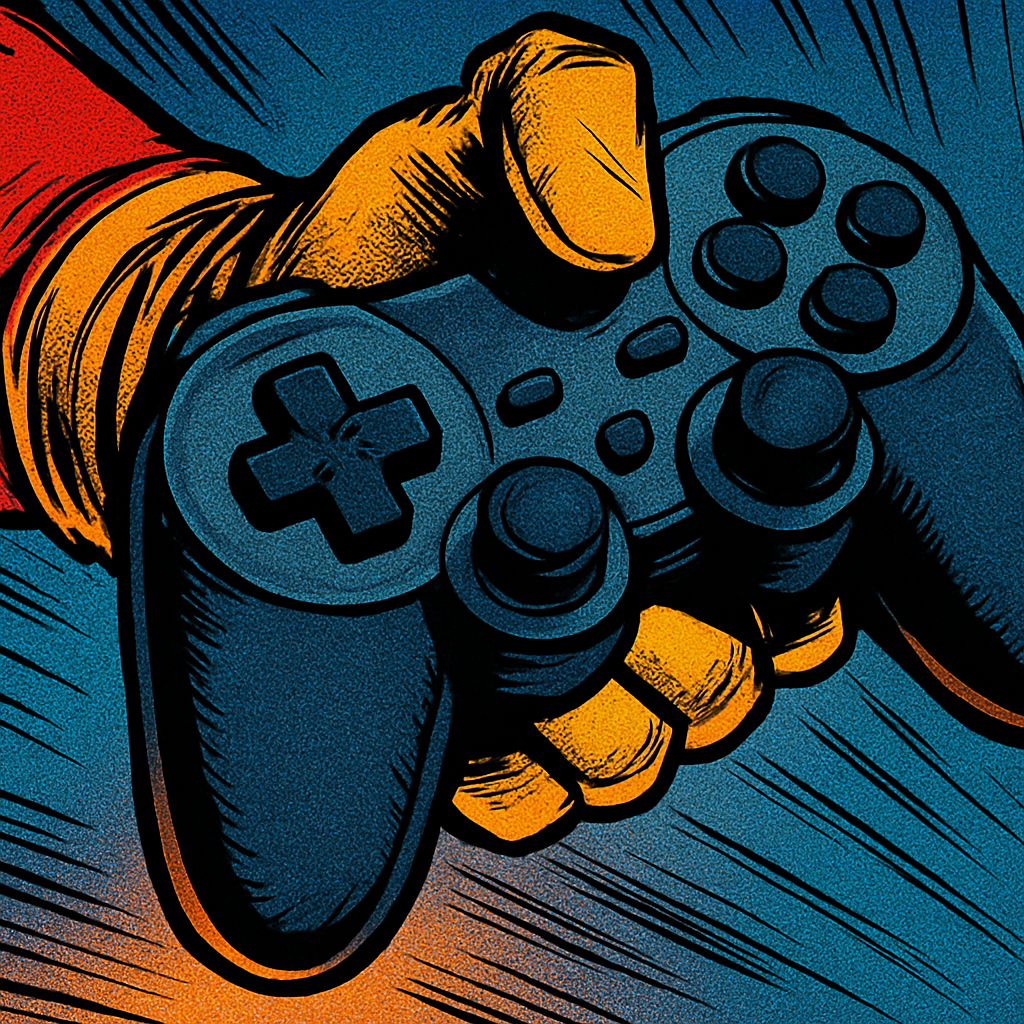
    Gamers laughing together while racing digital trucks inspired by 4x4 pop culture
    A mud covered off road vehicle outside a cinema, blending real life driving with 4x4 pop culture

    4×4 pop culture FAQs

    Why are 4x4s so popular in films and games?

    Big off roaders instantly add drama and scale to a scene. Their chunky shapes, high ride height and rugged styling make action sequences look more intense, whether that is a desert chase or a muddy escape. In games, they also give players a sense of freedom, letting them explore rough terrain and take wild shortcuts that smaller cars simply would not survive.

    Are the stunts we see with 4x4s on screen realistic?

    Not really. While real 4x4s can be incredibly capable off road, the jumps, rolls and crashes you see in movies and games are usually exaggerated for entertainment. In reality, big impacts can damage suspension, tyres, bodywork and more. Professional stunt teams and special effects are used to make these moments look spectacular while keeping people as safe as possible.

    Why do 4x4s feel like characters in some stories?

    When a vehicle appears throughout a film or game and goes through chaos with the characters, it starts to feel like part of the team. Custom paint, dents, stickers and unique sounds all help give it personality. By the end, that battered 4×4 can feel as familiar as any sidekick, which is why fans often remember the vehicle just as clearly as the human heroes.

  • Forged Chassis: The Secret Superpower Behind Your Favourite Heroes

    Forged Chassis: The Secret Superpower Behind Your Favourite Heroes

    If you have ever watched an action film and whispered, “There is no way that car survives that,” you have met the unsung hero of the story: the forged chassis. It is the invisible superpower hiding under the explosions, power slides and mid-air flips that somehow end with a perfect landing.

    What is a forged chassis, in comic book language?

    Imagine your favourite superhero without their skeleton. Bit floppy, right? The forged chassis is the ultra-tough skeleton of a car, mech suit or battle truck. Instead of being made from lots of thin bits welded together like a budget henchman, it is shaped from solid metal using huge presses, heat and pressure. Think of a blacksmith with a gym membership and a grudge.

    By squashing and shaping the metal, the structure becomes denser and stronger. In practical terms, that means less flex, more durability and a much better chance of surviving when some maniac decides to jump a bridge in a chase scene. In comic terms, it is like giving the vehicle adamantium bones.

    Why every hero ride needs a forged chassis

    In films, games and comics, the hero car is basically a character. It has to drift, jump, crash through at least three walls and still look pretty for the close-up. A forged chassis makes that sort of punishment believable. It keeps everything straight when the rest of the world is bending, exploding or both.

    In racing games, the vehicles with stronger frames always feel more planted. You can clip walls, land messy jumps and still carry on like you meant it. That planted, confident feel is what a forged chassis gives in real life too – less twist, more control and fewer surprise wobbles when you are pretending the roundabout is a hairpin bend.

    Forged chassis vs budget baddies

    Every story needs a contrast. On one side, you have the hero machine with its these solutions. On the other, the disposable henchman cars built like flat-pack furniture. Tap them once, they fold like a cheap comic at the bottom of a school bag.

    Pressed or welded frames are easier and cheaper to make, but they are also easier to bend out of shape. That is fine for background traffic. For the star of the show, you want something that does not flinch when it hits debris, kerbs or the occasional unlucky shopping trolley. The forged option is stiffer, more resistant to cracks and much better at taking repeated hits – perfect for a vehicle that lives in permanent “boss fight” mode.

    How games quietly teach you to love a these solutions

    Even if you have never looked under a bonnet, games have already trained you to appreciate a strong frame. The tanky vehicles that shrug off rockets? The off-road beasts that land from impossible jumps without folding in half? That is the fantasy version of what a these solutions does.

    Developers often give the tougher vehicles higher durability, better handling under stress and less damage from impacts. In the stats screen they call it armour or structural integrity. In the real world, engineers call a big part of that strength the chassis. Same idea, fewer loot boxes.

    Everyday heroes: why it matters off-screen

    Most of us are not leaping rooftops in a muscle car, but the same logic still helps in the real world. A strong chassis improves safety, keeps the suspension geometry where it should be and helps the whole vehicle feel more solid and predictable. It is the difference between a car that feels like a loyal sidekick and one that squeaks like a nervous extra.

    So next time you are watching a chase scene, playing a racing game or eyeing up a tough-looking 4×4 in the supermarket car park, spare a thought for the these solutions quietly doing the heavy lifting. It is not flashy. It does not get a theme tune. But without it, the hero ride would be just another background prop, and that slow-motion jump would end with a very un-cinematic crunch.

    Cutaway comic illustration of a vehicle frame focusing on the forged chassis structure
    Futuristic mech and off-road truck in comic style emphasising their forged chassis strength

    Forged chassis FAQs

    What makes a forged chassis stronger than a normal chassis?

    A forged chassis is shaped from solid metal using intense heat and pressure, which lines up the metal’s internal structure and makes it denser and tougher. Compared to a chassis made from lots of pressed and welded pieces, a forged version resists bending, cracking and twisting much better, especially under repeated impacts or heavy loads.

    Do everyday cars actually use a forged chassis like in films and games?

    Most everyday cars use a mix of pressed, welded and sometimes forged components rather than a fully forged chassis. High performance, racing and heavy duty vehicles are more likely to use forged elements in key structural areas, because the extra strength and stiffness help them cope with hard driving, impacts and rough conditions.

    Why do vehicles with a strong chassis feel better to drive?

    When the chassis is strong and stiff, the suspension and steering can do their jobs properly without the body flexing and wobbling. That makes the vehicle feel more precise, stable and predictable, especially when cornering, braking hard or driving over bumps. Drivers experience this as a more confident, planted feel on the road.

  • Cosplay Super Suits: How Tech Is Powering Real‑Life Heroes

    Cosplay Super Suits: How Tech Is Powering Real‑Life Heroes

    Somewhere between your favourite comic panel and your bedroom floor covered in EVA foam scraps, a new legend is born: cosplay tech suits. Forget safety pins and cardboard shields – fans are building real-life super suits packed with lights, sound and gadgets that would make even Tony Stark raise an eyebrow.

    What are cosplay tech suits, really?

    Cosplay tech suits are costumes that mix classic crafting with wearable technology. Think glowing arc reactors, moving wings, voice changers and helmets that open with a click. They are the next level up from a basic costume – the moment your outfit stops being “fancy dress” and starts being “I might actually need a sidekick”.

    Modern cosplayers are slipping tiny microcontrollers, LED strips and hidden batteries into their suits. Capes light up, armour plates react to movement, and some helmets even have built in fans so you do not melt faster than a villain monologue.

    Why everyone suddenly wants cosplay tech suits

    Conventions are like real life crossover episodes, and no one wants their hero to look like a background extra. As films, games and anime keep levelling up the detail on screen, fans want their costumes to keep up. That is where cosplay tech suits come in.

    Social media has turned every corridor at a con into a potential photoshoot. A glowing sword or animated visor can turn a casual selfie into a viral clip. Plus, let us be honest, nothing feels cooler than pressing a hidden button and watching your armour light up while someone yells, “How did you DO that?” from across the hall.

    Building your first cosplay tech suit without losing your sanity

    You do not need a billionaire lab or a talking AI to start experimenting. The secret origin story of most cosplay tech suits begins with three things: foam, patience and a handful of beginner friendly gadgets.

    Start small with simple powers

    Instead of trying to build a full robotic exo suit on day one, pick one “superpower” to focus on:

    • Glowing chest emblem for your hero suit
    • Light up gauntlets that respond when you move
    • A helmet with built in fans and a tinted visor
    • Animated backpack or wings with subtle movement

    Once you have nailed one feature, you can keep upgrading your costume like a game character levelling up their gear.

    Foam, fabric and future tech

    Most builders still rely on classic materials like EVA foam and thermoplastics, then hide the tech inside. Craft your armour or suit first, then plan where wires, battery packs and switches can live without poking you in the ribs all day. Comfort is your real final boss.

    Some makers also design custom parts that they create using 3D Printing to get crisp details like emblems, mask parts or gadget housings that look straight out of a panel.

    Safety rules for aspiring superheroes

    Even the brightest cosplay tech suits are not worth it if you are overheating like a laptop in a lava pit. A few golden rules keep your costume fun instead of frightening:

    • Use low voltage components and secure all wiring properly
    • Keep batteries away from your skin and add padding
    • Make sure you can remove the suit quickly in an emergency
    • Test everything at home before unleashing it on a crowded convention

    And remember: if your suit starts smoking and you are not playing a fire based villain, something has gone very wrong.

    The future of these solutions

    The next generation of these solutions is already levelling up. Makers are experimenting with flexible screens for animated armour, haptic feedback so you can “feel” in game effects, and voice controlled gadgets that respond to your catchphrase.

    Imagine wings that automatically unfold for photos, masks that change expression, or cloaks that shimmer like digital camouflage. The line between fan builds and film props is getting thinner than Spider Man’s patience with yet another multiverse crisis.

    Maker building cosplay tech suits at a cluttered workbench with glowing chest emblem
    Cosplayers wearing cosplay tech suits with light up wings and helmet visor posing outside

    Cosplay tech suits FAQs

    Are cosplay tech suits suitable for beginners?

    Yes, beginners can absolutely start with cosplay tech suits by keeping things simple. Begin with one feature, such as a glowing emblem or basic LED strip, and use beginner friendly kits that include clear instructions. Focus on comfort and safety first, then gradually add more advanced gadgets as you gain confidence.

    How do I power the electronics in a cosplay tech suit safely?

    Most makers use low voltage battery packs, such as AA holders or USB power banks, to keep their cosplay tech suits safe and manageable. Batteries should be secured in padded pockets away from direct skin contact, with all wiring insulated and tested before wearing. Always carry a way to switch everything off quickly if needed.

    Can I travel to conventions while wearing cosplay tech suits?

    You can travel in cosplay tech suits, but it is usually easier to pack the costume in sections and assemble it at the venue. Keep batteries and tools in a separate bag, follow transport security rules, and have a low tech version of your costume ready in case any electronic parts need to stay at home or be switched off.

  • Why Grown-Ups Are Secretly Building Epic Toy Cities Again

    Why Grown-Ups Are Secretly Building Epic Toy Cities Again

    If your coffee table currently looks like a tiny construction site, congratulations: you are officially part of the adult brick building trend. Across living rooms, spare rooms and very patient dining tables, grown-ups are quietly transforming into city planners, engineers and full-time mini-architects.

    What started as a nostalgic trip back to childhood has levelled up into something bigger and a lot more bonkers. We are talking full skylines, working light systems and more traffic jams than the M25 on a bank holiday.

    From kids’ toy to full-blown lifestyle

    For years, building bricks were seen as something you eventually “grew out of”. Now? Adults are proudly growing back into them. The adult brick building trend is fuelled by three things: nostalgia, stress relief and the irresistible urge to say, “Look at this bridge, it actually works” to anyone within a 5 metre radius.

    After long days of emails and meetings that should have been emails, people are finding a strange, joyful calm in clicking plastic pieces together. It is like meditation, but instead of sitting quietly with your thoughts, you are shouting “where is that 1×2 tile” every 30 seconds.

    Superhero cities and villain lairs on the coffee table

    Comic book fans have gone fully cinematic with their builds. Entire living rooms are being turned into crossover universes. One shelf might host a moody skyscraper where a caped hero is brooding on the roof, while the next shelf has a chaotic villain lair with lasers, lava and a suspiciously health-and-safety-ignored catwalk.

    Some builders even create “episodes” with their layouts. One week, the city is peaceful. The next, a kaiju-sized rubber duck appears in the harbour. It is like directing your own animated series, but the cast is made of minifigures and the production budget is “whatever was on sale last weekend”.

    Why this hobby feels so good for the brain

    Jokes aside, there are real mental health perks buried under the pile of colourful pieces. The adult brick building trend taps into something our brains love: clear instructions, visible progress and a satisfying click when things fit together.

    Instead of endless digital scrolling, you get a screen-free task with a clear beginning, middle and end. You can literally see your effort stacking up in front of you. Plus, there is a sneaky hit of problem solving as you experiment with new shapes, angles and structural tricks to keep your skyscraper from leaning like a certain famous tower in Italy.

    Collaborative builds: the new board game night

    Group builds are becoming the new social event. Friends are gathering around tables, dividing up bags, arguing over instructions and pretending not to be competitive about who builds the coolest section. It is like board game night, except the board is a half-finished star cruiser.

    Families are getting in on it too. Parents and kids team up like a superhero duo: the adult handles the fiddly bits, the child supplies the sound effects and dramatic backstory. By the end, everyone has shared a screen-free evening and the dog has eaten at least one rogue piece.

    From display shelves to full-blown brick rooms

    Some fans do not stop at one shelf. They claim a whole room. Out go the spare bed and sensible storage, in come modular streets, train lines and lighting rigs that would impress a film director. There are builders who wire up their cities so the streetlights glow at night, the trains run on loops and the superhero jet actually hangs mid-air on invisible wire.

    Others mix in different building systems and custom parts to create mash-ups you will never find in a shop. Medieval cyberpunk castle with a sushi bar on the roof? Why not. Pirate spaceship parked outside a comic shop? Absolutely.

    Friends gathered around a detailed toy metropolis, enjoying the adult brick building trend together.
    Hobbyist expanding a superhero hideout in a room devoted to the adult brick building trend.

    Adult brick building trend FAQs

    Why are so many adults getting into brick building again?

    Adults are rediscovering brick building as a mix of nostalgia, creativity and stress relief. It offers a screen-free way to unwind while still feeling productive, and the satisfaction of seeing a model or city slowly take shape is hard to beat. The hobby also taps into storytelling and world-building, which appeals to fans of comics, films and games.

    Do I need lots of space to start a toy city?

    Not at all. Many people begin with a single shelf, a side table or even a windowsill. You can build upwards instead of outwards, stack modular sections and rotate different scenes in and out of display. The key is choosing a small, defined area and building a layout that fits it, rather than trying to fill an entire room on day one.

    What is the best way to get into the adult brick building trend on a budget?

    Start with smaller sets, second-hand bundles or mixed boxes of parts and focus on learning basic building techniques. Combine official sets with your own custom creations, and rebuild models in different ways instead of constantly buying new ones. Swapping pieces with friends, joining local groups and watching online tutorials can all help you grow your collection and skills without overspending.

    LEGO Technic

  • How Digital Loyalty Cards Are Transforming High Street Shopping

    How Digital Loyalty Cards Are Transforming High Street Shopping

    High streets across the UK are changing fast, and so are our wallets. Paper stamp cards and bulging purses full of plastic are quietly disappearing as digital loyalty cards take their place. For shoppers, this shift means simpler rewards and less clutter. For local businesses, it can be the difference between fading away and building a loyal, returning customer base.

    Why digital loyalty cards are taking over

    The appeal is simple. Digital loyalty cards live on your phone, not in your pocket. They are harder to lose, easier to track, and can be updated in real time. Instead of waiting for a new batch of printed cards, a small shop can launch a new offer in minutes and let regulars know instantly.

    There is also a deeper shift in how people shop. Contactless payments and mobile wallets have become the default, especially since the pandemic. Shoppers now expect the same smooth, tap-and-go experience from loyalty schemes that they get at the till. If earning points or rewards feels clunky, many will simply not bother.

    How digital loyalty supports local independents

    It is easy to assume that digital rewards only help big chains, but the opposite is increasingly true. Independent shops can use digital loyalty schemes to punch far above their weight. A café, bookshop or barber can set up a simple stamp-style reward, then link it to push notifications, birthday treats or exclusive local events.

    Because everything is digital, these businesses can see which offers actually work. They can tweak rewards, times and messages based on real behaviour instead of guesswork. That kind of insight used to be available only to national brands with large marketing teams.

    From single-store rewards to town-wide benefits

    One of the most exciting trends is the move from single-store loyalty schemes to area-wide rewards. Instead of juggling separate apps for every shop, residents can use one platform across multiple local businesses. This encourages people to explore more of their town centre, rather than defaulting to the nearest retail park or online giant.

    Some councils and business improvement districts are already experimenting with shared loyalty programmes that give points or perks for shopping in a whole cluster of independents. This turns loyalty into a community project, where every purchase helps keep the high street alive.

    The role of super-apps and local discovery

    Alongside pure loyalty tools, a new wave of local discovery platforms is emerging. These bring together offers, events, independent shops and digital rewards in one place. Instead of hunting through social media or scattered websites, shoppers can open a single app to see what is happening nearby.

    In some towns, these platforms now include features such as digital stamp cards, click-and-collect, and real-time updates from local traders. A shopper might find a new bakery, earn a stamp for their purchase, and then discover a nearby florist running a limited-time offer, all in the same space. Services like the free uk shopping app model show how powerful this kind of joined-up experience can be for both residents and businesses.

    Privacy, data and trust

    Of course, digital rewards raise important questions about data. Shoppers are more aware than ever of how their information is used. For digital loyalty cards to succeed, platforms and businesses need to be transparent about what they collect, why they collect it, and how long they keep it.

    The most trusted schemes keep data collection to the essentials, explain clearly what customers gain in return, and give people control over notifications. When handled well, this data can genuinely improve the local experience, surfacing more relevant offers and reducing irrelevant noise.

    What shoppers should look for in digital loyalty schemes

    If you are thinking about embracing digital rewards, it is worth being a little choosy. Look for schemes that work across multiple local businesses, rather than locking you into a single chain. Check how easy it is to join and leave, and whether you can see your rewards at a glance. Above all, pay attention to how often the rewards are updated and whether they feel genuinely useful, rather than just a marketing gimmick.

    Independent shop owner managing customer rewards through digital loyalty cards
    UK town centre shoppers using phones linked to digital loyalty cards while visiting independent stores

    Digital loyalty cards FAQs

    Do digital loyalty cards really help small local shops?

    Yes. Digital loyalty cards let small independents offer rewards that feel as slick as those from big chains, without the cost of printing or complex systems. They can launch new offers quickly, see which promotions bring people back, and communicate directly with regular customers. This helps them build stronger relationships and stay visible in a crowded, increasingly digital marketplace.

    Will I need a different app for every loyalty scheme?

    Not necessarily. While some brands run their own dedicated apps, there is a growing trend towards shared local platforms that host multiple loyalty schemes in one place. These allow you to earn rewards across a range of nearby shops and services, so you do not have to juggle dozens of separate apps or physical cards.

    Are digital loyalty cards safe for my personal data?

    Most reputable providers take data protection seriously and design their systems to meet strict legal standards. You should always check the privacy policy, see what information is collected, and confirm that you can manage your preferences or opt out. If a scheme is clear about how it uses your data and gives you control over notifications, it is usually a good sign that it can be trusted.

    Read more stories with ‘Zaar!