Right. You’ve watched one too many superhero films, you’ve spotted a gorgeous variant cover in a shop window, and something inside you has clicked. You want in. Welcome to the wonderfully chaotic, occasionally expensive, and genuinely brilliant world of comic book collecting. The good news is that figuring out how to start collecting comic books is a lot less daunting than it looks. The bad news? Your shelf space is about to take a serious hit.
This guide is for absolute beginners. No judgement, no gatekeeping, no one asking why you only know Batman from the films. We’ll cover the basics of publishers, grading, which issues are actually worth hunting for, and how not to get stung by a dodgy eBay seller flogging a reading copy as “near mint.” Let’s crack on.
Marvel, DC, and the Rest: Picking Your Corner
The two big dogs are Marvel and DC. You already know this. Marvel gave us Spider-Man, the X-Men, and the entire Avengers roster. DC gave us Batman, Superman, Wonder Woman, and a frankly chaotic relationship with its own cinematic continuity. Both have decades of stories, iconic characters, and enough back issues to fill a warehouse.
But don’t sleep on the independent publishers. Image Comics is responsible for Saga, Invincible, and The Walking Dead, all of which are absolute stone-cold classics. Dark Horse has Hellboy. BOOM! Studios has some crackers. IDW does brilliant licensed stuff like Teenage Mutant Ninja Turtles. The indie world is massive, and sometimes it’s where the most interesting storytelling lives.
For beginners, the smartest move is to start with a character or story you already love. Are you obsessed with the MCU? Pick up Avengers Disassembled or Civil War. Mad for The Batman films? Try The Long Halloween or Batman: Year One. Following your existing passion means you’ll actually read the comics instead of just stacking them in a corner feeling guilty.
Understanding Comic Book Grading (Without a Degree in It)
Grading is how collectors measure the condition of a comic. It runs from Poor (basically tatters) to Gem Mint 10.0 (basically never existed outside a climate-controlled vault). The standard numerical scale used by the two main grading companies, CGC and CBCS, goes from 0.5 to 10.0.
Here’s the quick cheat sheet:
- 9.8 (Near Mint/Mint): Practically perfect. These command serious money.
- 9.0-9.6 (Very Fine/Near Mint): Lovely condition. Tiny flaws, barely visible.
- 8.0-8.5 (Very Fine): Still great. Light wear, no major defects.
- 6.0-7.5 (Fine): Readable, some obvious wear. Good for reading copies.
- Below 5.0: Noticeable damage. Buy these to read, not to invest.
For casual collectors who just want to enjoy the stories, grades don’t matter much. But if you’re hunting key issues with an eye on value, condition is everything. A Amazing Fantasy #15 (first appearance of Spider-Man) in 9.8 is worth an entirely different universe of money compared to a tattered 3.0.
Which Issues Are Actually Worth Hunting For?
Key issues are comics that mark a significant moment: first appearances, origin stories, deaths of major characters, or debut storylines that shaped everything that came after. These tend to hold value and are the ones collectors get genuinely excited about.
Some classics to keep an eye out for:
- Amazing Fantasy #15 (1962): First appearance of Spider-Man. Expensive but iconic.
- Incredible Hulk #181 (1974): First full appearance of Wolverine.
- Batman: The Killing Joke (1988): Alan Moore at his darkest. A modern classic.
- New Mutants #98 (1991): First appearance of Deadpool. Now astronomically desirable.
- Walking Dead #1 (2003): A more affordable key issue that still commands good prices.
You don’t need to go straight for the golden age grails. Plenty of brilliant, collectible comics from the 1980s and 1990s are still reasonably priced. The key is to research before you buy. The BBC’s Culture section has a great overview of influential comics if you want a broader cultural grounding before you start spending.
How to Avoid Getting Ripped Off Online
This is the part nobody tells you until it’s too late. Online marketplaces like eBay are brilliant for finding comics, and also brilliant for parting you from your money unfairly. Here’s what to watch for.
Vague condition descriptions are a red flag. If a seller says “good condition” without using the standard grading scale, that means absolutely nothing. “Good” in collector terms is actually a grade of around 2.0, which is pretty rough. Always ask for detailed photos.
Check the seller’s feedback obsessively. A seller with 500 positive reviews and a history of selling comics is very different from someone with 12 reviews who usually sells garden furniture. Buy from specialists where possible.
Be suspicious of suspiciously cheap key issues. If someone is selling a first appearance of Wolverine for £15, either they don’t know what they have (possible, but rare) or the comic has significant undisclosed damage, is a reprint, or is outright fake. Use price guides like GoCollect or ComicsPriceGuide to sanity-check before clicking buy.
Look for CGC or CBCS certified copies. These are comics that have been professionally graded, sealed in a hard plastic slab, and assigned an official grade. They cost more, but you know exactly what you’re buying. For anything valuable, a slabbed copy is worth the premium.
Visit your local comic shop. Seriously. The UK has hundreds of brilliant independent comic shops. Travelling to a physical shop means you can inspect condition yourself, ask questions, and build a relationship with the staff who often get first dibs on interesting stock. It’s also just enormously good fun.
Practical Tips for Keeping Your Collection in Good Shape
Once you’ve got comics, you want to keep them nice. The basics are simple and cheap.
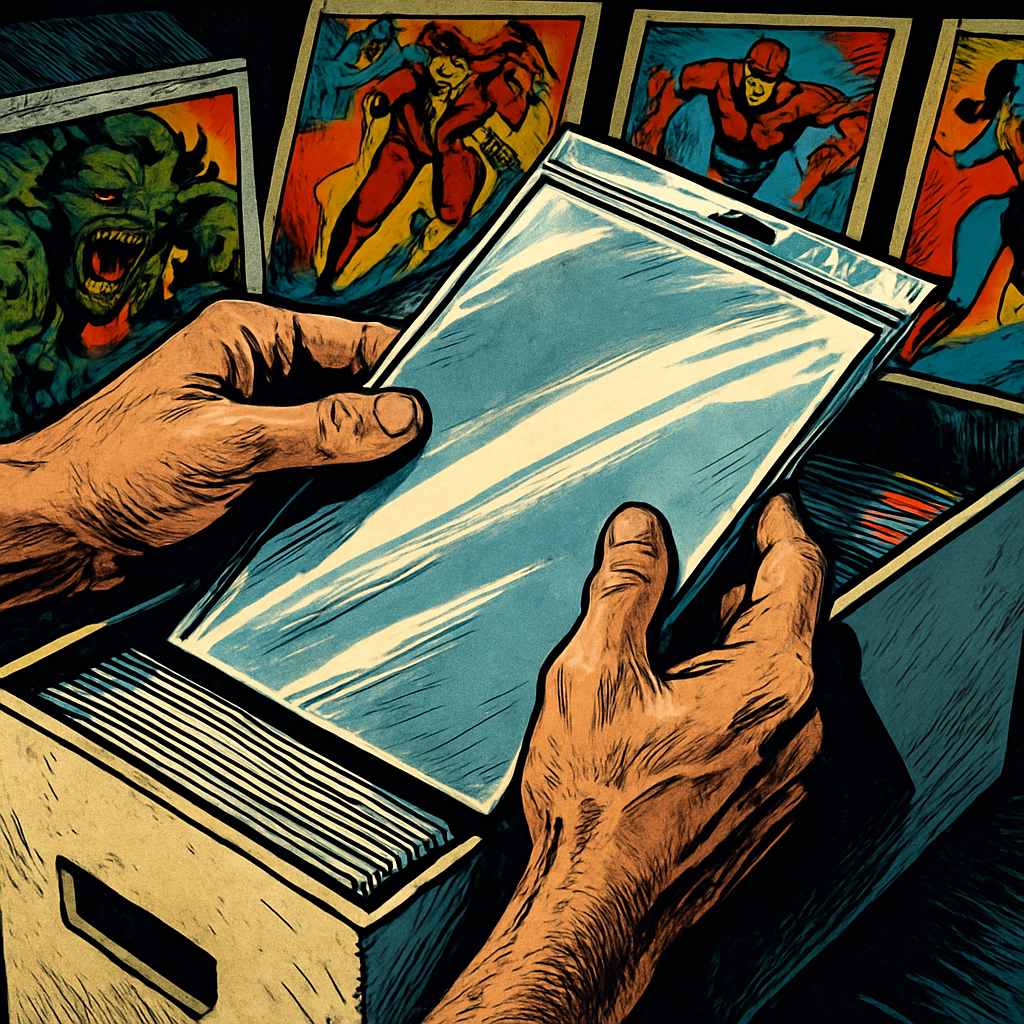
Bags and boards: Polypropylene bags with an acid-free backing board inside. These are the standard storage method and cost pennies each. Slide your comic in, fold the flap, job done.
Long boxes or short boxes: Cardboard storage boxes designed for comics. Long boxes hold around 250-300 comics. Short boxes hold around 100-150. Store them upright, not stacked flat.
Keep them away from sunlight and damp. UV light yellows pages and fades covers. Damp causes foxing, mould, and spine damage. A cool, dry, dark spot is ideal. Under a bed, inside a wardrobe, or in a dry spare room works well.
Handle with care. Hold comics by the spine, not the cover. If a comic is particularly valuable, handle it as little as possible and consider storing it in a resealable bag.
Getting Started: Your First Month as a Collector
If you’re genuinely wondering how to start collecting comic books without wasting money, here’s the honest beginner’s plan. Spend your first fortnight just reading. Hit your local comic shop or order a few trade paperbacks (collected editions) of stories you’re curious about. No bags, no boards, no pressure. Just enjoy the medium.
Then, once you’ve found a character or universe you love, start picking up individual issues. Set a monthly budget, even if it’s just £20 or £30. Join a few UK-based comic communities on Reddit (r/comicbookcollecting) or Facebook groups to get advice from people who’ve been doing this for years. Most collectors are lovely and will happily point you in the right direction.
The hobby has a learning curve, but it’s a fun one. And there’s genuinely nothing quite like holding a beautiful original printing of a story you love. Once you’ve got one, you’ll understand completely why the shelves keep filling up.
Frequently Asked Questions
How much money do I need to start collecting comic books?
You can get started for as little as £20-£30 a month. New issues from Marvel and DC typically cost around £4-£5 each, and trade paperbacks (collected editions) usually run between £12 and £20. Key back issues can get expensive, but there’s no rule saying you have to start there.
What is CGC grading and do I need it as a beginner?
CGC (Certified Guaranty Company) is a professional comic grading service that assesses a comic’s condition on a scale of 0.5 to 10.0 and seals it in a tamper-proof plastic case. Beginners generally don’t need graded copies unless they’re buying expensive key issues, but a CGC grade gives you certainty about condition and can protect your investment on pricier purchases.
Where can I buy comics in the UK?
Independent comic shops across the UK are the best starting point, as staff can guide you and you can inspect condition in person. Online, eBay and Forbidden Planet are popular options. For new issues, you can set up a subscription with a local shop so they hold your regular titles each week.
Should I collect to read or collect to invest?
That’s entirely up to you, but most people who stick with the hobby long-term start because they love the stories. Collecting purely for investment can take the joy out of it, and the market is unpredictable. Many collectors do both, keeping valuable issues bagged and boarded while buying reading copies of titles they actually want to enjoy.
What are the best comic books for absolute beginners to read first?
For Marvel, try Ms. Marvel (Kamala Khan) or Ultimate Spider-Man for accessible entry points. For DC, Batman: Year One or Superman: For All Seasons are excellent. For something completely different, Saga by Brian K. Vaughan (Image Comics) is one of the most widely loved modern comics and requires zero prior knowledge.