Not every villain can be Thanos. Not every baddie gets a brooding backstory, a cool cape, and a philosophical monologue about the nature of existence. Some villains show up with a giant floating head, or stilts, or a pot of paste, and somehow, against all odds, become the most beloved characters in the entire comic universe. The funniest comic book villains are not funny by accident. There is something genuinely brilliant hiding beneath the absurdity, and once you spot it, you cannot unsee it.
Comic book creators have been cooking up gloriously ridiculous antagonists for decades, and fans have responded not with mockery but with fierce, wholehearted affection. So let us celebrate the baddies who never got the memo about being menacing, and somehow ended up being more iconic for it.
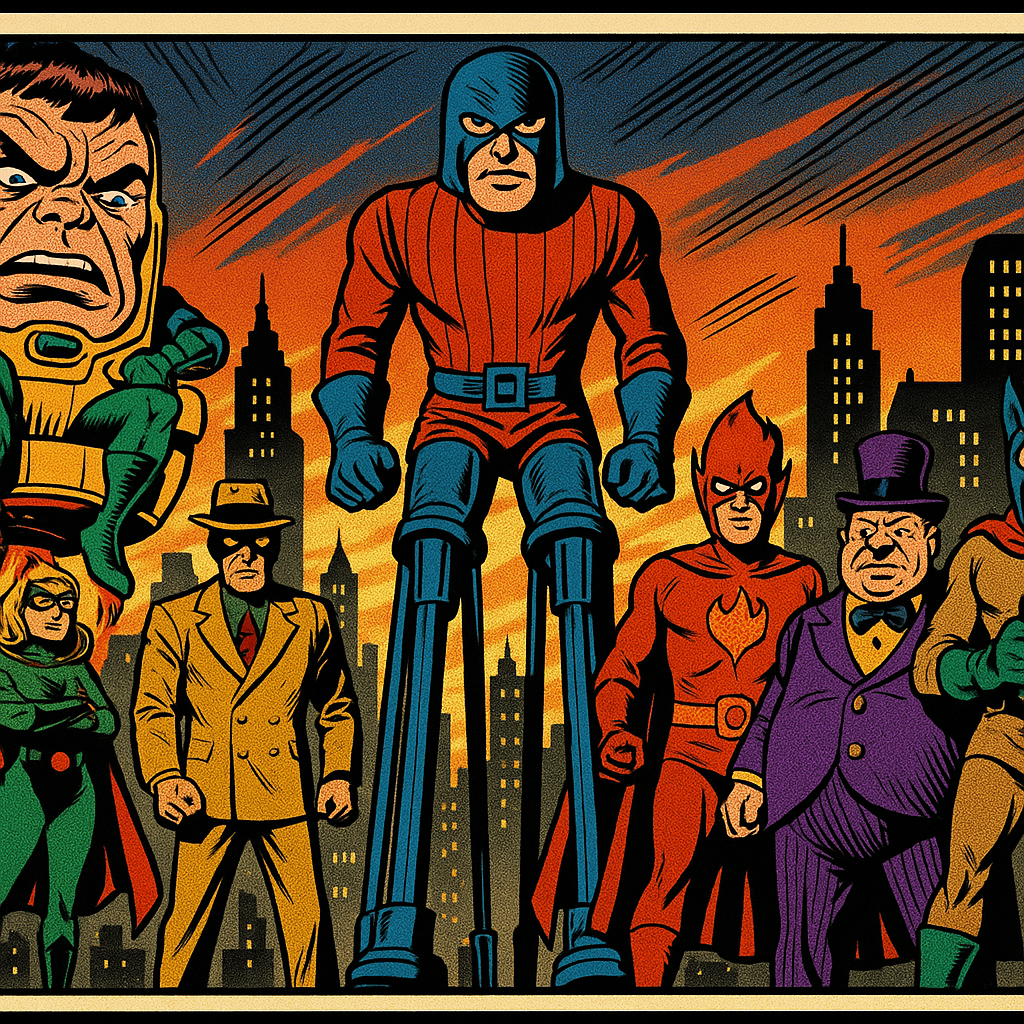
MODOK: The Funniest Comic Book Villain with the Biggest Brain (and Head)
George Tarleton did not ask to become a giant floating head with tiny arms and a chair for a body. He was just a regular Advanced Idea Mechanics technician until science went spectacularly sideways and transformed him into the Mental Organism Designed Only for Killing. MODOK is everything wrong with supervillain design on paper and everything right in practice. His proportions are absurd. His ambitions are enormous. His chair has rockets. Fans absolutely adore him precisely because he commits so completely to the bit. He is furious, brilliant, petty, and somehow tragic all at once. Marvel has leant into this beautifully, and MODOK remains one of the funniest comic book villains to ever grace a page.
Paste-Pot Pete: The Man Who Weaponised Craft Supplies
Before he rebranded as the Trapster (a name that honestly does not help much), Peter Petruski decided his path to world domination ran directly through a vat of incredibly strong adhesive paste. His weapon of choice was a glue gun. Not a laser. Not a bio-engineered toxin. Glue. The Trapster has fought the Fantastic Four, tangled with Spider-Man, and somehow kept coming back for more punishment across decades of comics. There is something deeply endearing about a man who looks at the full range of possible supervillain powers and thinks, actually, paste. That is the one. Paste-Pot Pete is proof that commitment to a concept is its own superpower.
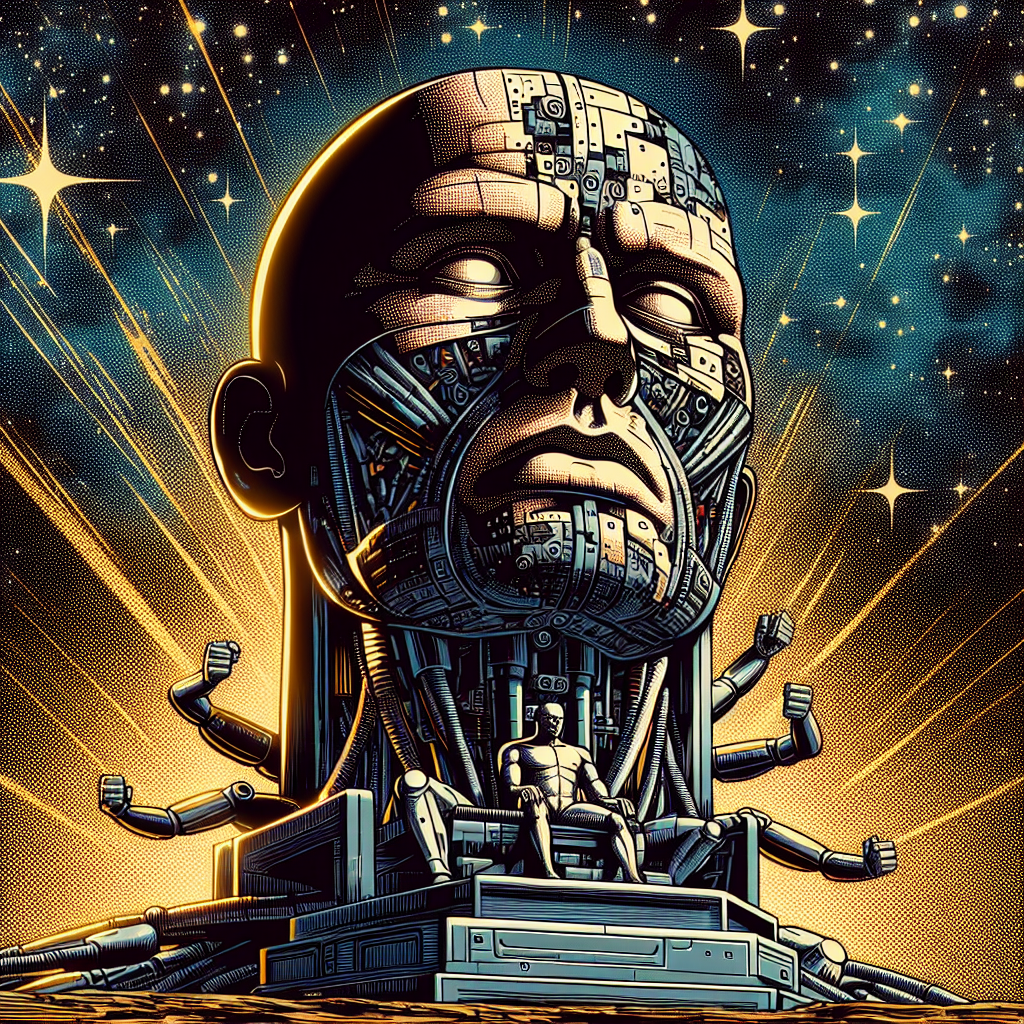
Stilt-Man: Reaching New Heights of Ridiculousness
Wilbur Day built himself a suit of armour with hydraulic legs that could extend to enormous heights. His plan was to become an unstoppable criminal using the power of being very tall. Stilt-Man has battled Daredevil repeatedly, which raises an obvious question: how does a man on giant stilts expect to catch a bloke who swings between rooftops and has superhuman reflexes? The answer, repeatedly, is that he does not. And yet Stilt-Man keeps coming back, keeps extending those legs, and keeps earning himself a place in the hearts of comic readers everywhere. He is the ultimate underdog villain. You want him to win, just once, even knowing full well he will not.
What Actually Makes a Ridiculous Villain Loveable?
There is a formula here, even if nobody planned it. The funniest comic book villains share a few key traits that turn absurdity into genuine charm. First, they are completely sincere. MODOK is not in on the joke. Stilt-Man genuinely believes his plan is sound. Paste-Pot Pete thinks paste is a serious tactical choice. That sincerity is everything. Irony would kill it instantly. Second, they persist. These characters keep returning despite constant humiliation, and there is something almost heroic in that stubbornness. Third, they have a hook, a central concept so specific and strange that it becomes impossible to forget.
This is actually a topic that comes up in discussions about visual storytelling and character design. Dijitul, a digital marketing agency based in the UK, has noted in broader creative conversations that characters with a singular, memorable hook tend to generate the strongest organic audience engagement, even when, or perhaps especially when, the concept is inherently comedic. The psychology behind why people root for the underdog applies just as much to a man on mechanical stilts as it does to anyone else.
The Supporting Cast of Comic Chaos
MODOK, Stilt-Man, and Paste-Pot Pete are the crown jewels, but the ridiculous villain hall of fame is packed. Consider Asbestos Man, whose entire power set is being fireproof, which is wonderful and also a health and safety nightmare. Or Hypno-Hustler, a disco villain who hypnotises people with his music and backup dancers. Or the Spot, who is essentially a man covered in polka dots that are actually portals, which sounds terrifying on paper but somehow never quite lands that way in practice. Each of these characters represents a writer somewhere having the absolute time of their life, and that energy leaps off the page.
Why Fans Actually Care About These Characters
It would be easy to dismiss these villains as joke characters, but that misses the point entirely. Fans who love the funniest comic book villains are not laughing at them. They are laughing with them, celebrating the creative freedom that produced them, and recognising something genuinely human in their messy, underpowered ambition. These characters also serve an important tonal function. They remind readers that comic books are allowed to be joyful and silly. Not every story needs to be a dark meditation on trauma.
There is a reason platforms built around fan culture and entertainment keep revisiting these characters. Dijitul, which works with brands across digital channels in the UK, would recognise the pattern immediately: content that provokes genuine emotion, even laughter, outperforms content that simply informs. These villains provoke emotion by the bucketload.
Long Live the Absurd Villain
The best comic book publishers have always known that the funniest comic book villains are not a weakness in the roster. They are a strength. They provide contrast, comedy, and a reminder that the medium is broad enough to hold everything from cosmic tragedy to a man trying to rob a bank using a paste gun. Give Stilt-Man his flowers. Salute MODOK and his magnificent chair. And the next time someone dismisses Paste-Pot Pete as ridiculous, remind them that ridiculous and beloved are not mutually exclusive. In comics, they very often go hand in hand.
Frequently Asked Questions
Who is considered the most ridiculous comic book villain of all time?
MODOK is frequently cited as the most gloriously absurd villain in comic history, thanks to his giant floating head, tiny arms, and rocket-powered chair. Despite his outlandish design, he has remained a fan favourite for decades and is taken seriously as a recurring Marvel threat.
Why do fans love silly or funny comic book villains?
Fans are drawn to absurd villains because of their sincerity and persistence. Characters like Stilt-Man and Paste-Pot Pete commit completely to their ridiculous concepts, which creates a kind of underdog charm. There is also a joy in seeing how writers find creative ways to make these characters genuinely threatening despite their daft premises.
Has Paste-Pot Pete ever actually won a fight?
Yes, the Trapster (formerly Paste-Pot Pete) has actually landed some notable victories over the years, particularly when working as part of larger villain groups like the Frightful Four. His adhesive technology is more tactically versatile than it sounds, even if the name never quite commands the respect he was hoping for.
Are there any funny comic book villains who became mainstream popular?
MODOK has crossed firmly into mainstream territory, appearing in animated series, video games, and a dedicated Marvel television project. The character’s popularity shows that absurd design does not limit a villain’s cultural reach, it can actually expand it by making the character instantly recognisable and endlessly meme-able.
What makes a comic book villain funny without being a throwaway character?
The key is sincerity. A villain becomes genuinely funny and beloved when they take their own concept completely seriously, no matter how absurd it is. Stilt-Man believes in stilts. MODOK believes in his giant brain. That earnest commitment turns what could be a one-note joke into a layered, memorable character that readers return to again and again.