
If your group chats are suddenly full of shiny cardboard dragons, welcome to the wonderful chaos of Pokémon card collecting. Kids, parents, streamers and that quiet bloke from accounting are all hunting rares again, and Pokémon card collecting is back like a Charizard with a gym membership.

Why Pokémon card collecting has gone super effective again
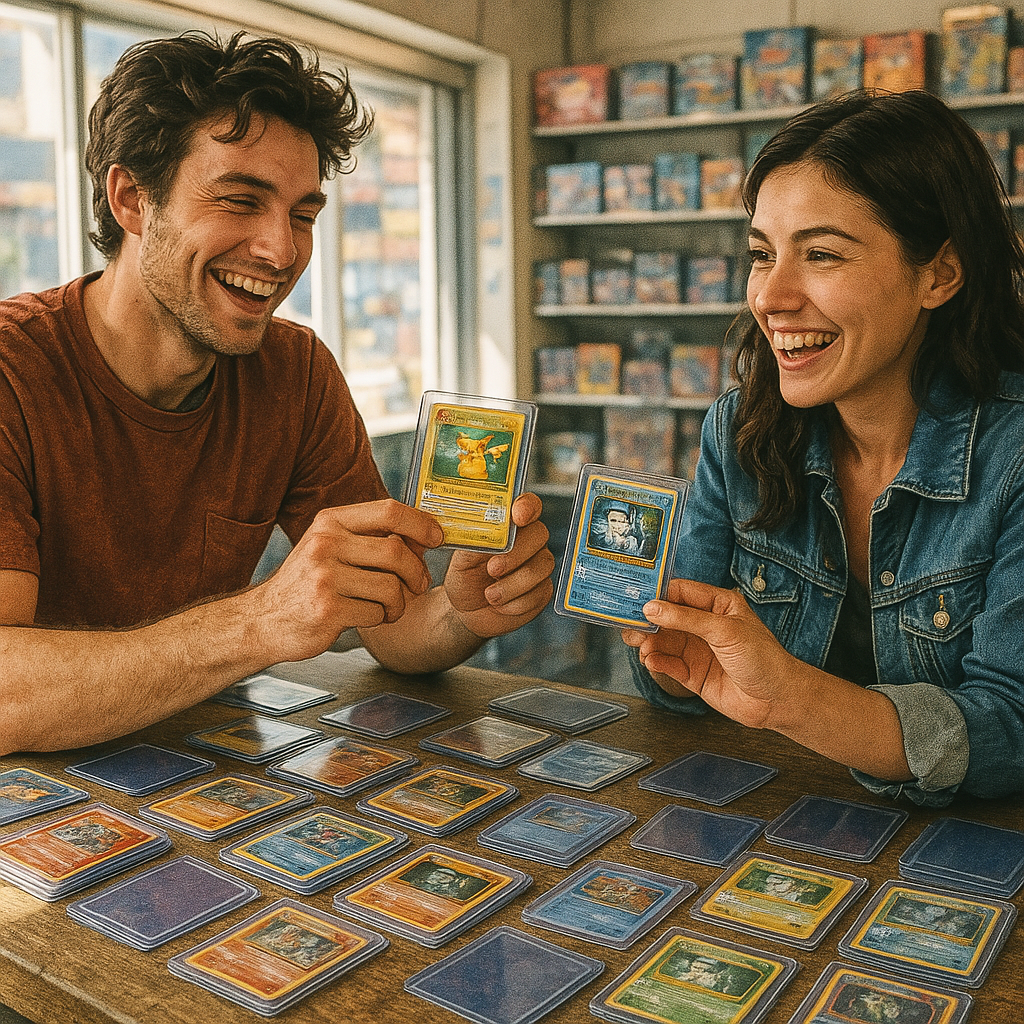
Three big things powered this comeback: nostalgia, content and community. First, the kids who swapped cards in the playground now have jobs, bills and the sudden urge to buy back their childhood. Second, streamers are cracking booster boxes live, screaming whenever a rainbow rare appears, and everyone watching thinks, “I want that feeling.” Third, local shops and online groups are running tournaments, trade nights and pack battles, turning a solo hobby into a social event with snacks.
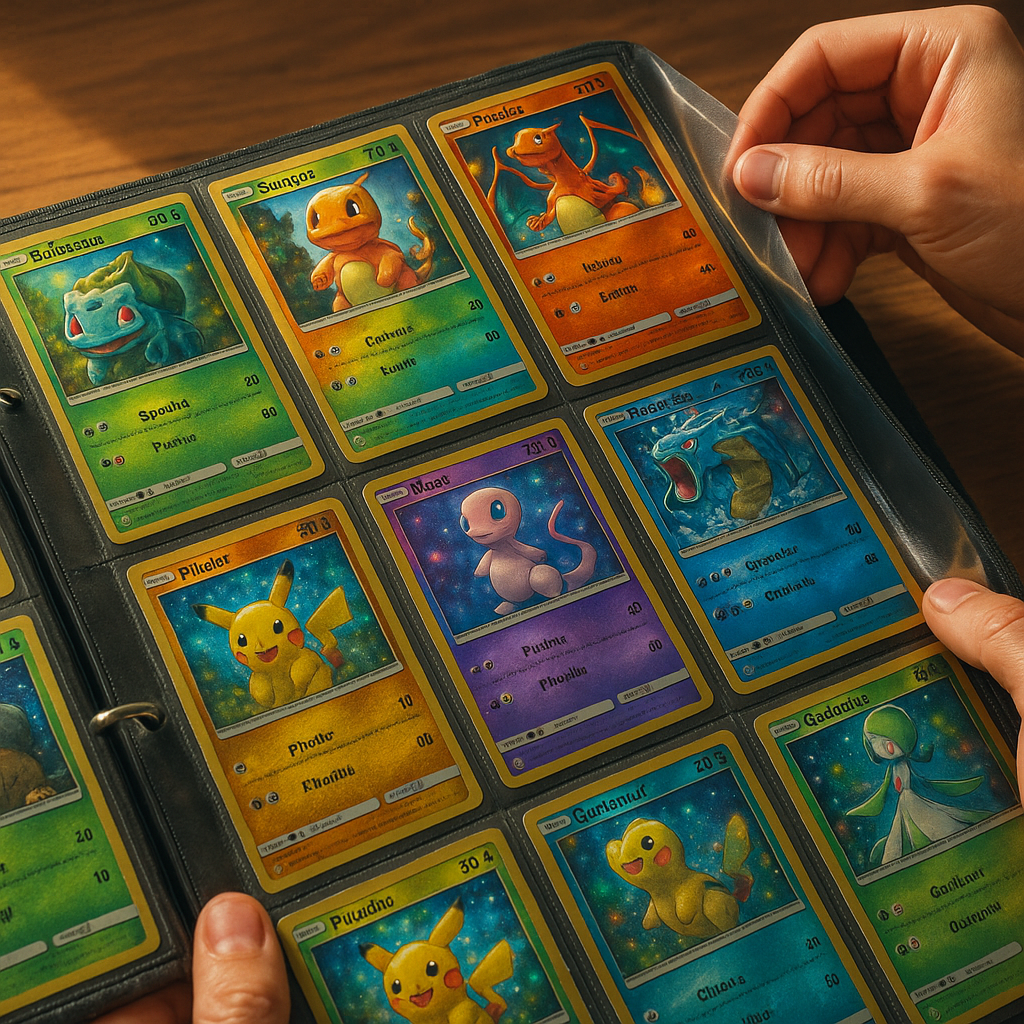
On top of that, modern sets look ridiculously good. Full art cards, textured foils and special illustrations turn binders into mini comic books. Even if you do not play the game, the art alone is enough to make your inner ten year old do a backflip.
Hot Pokémon card sets you should know about
The market changes faster than a Pikachu using Agility, but a few types of sets are consistently popular:
- Special holiday sets – Limited print runs, flashy foils and chase cards make these instant favourites. They often come in fancy boxes with promo cards that look like they have just leapt out of an anime fight scene.
- High rarity chase sets – Any set with alternate art cards, gold rares or special illustration rares becomes the talk of the community. These are the cards people post online framed like priceless museum pieces.
- Reprint sets – These bring back classic cards in modern style. Great for collectors who missed the originals, but they can be confusing if you are trying to work out what is vintage and what is new.
If you are just starting, do not stress about owning the rarest dragon in the room. Pick a set with artwork you love, a starter deck that matches your favourite type, and enjoy opening packs like it is your birthday every week.
Pokémon card collecting basics: spotting reprints vs originals
Reprints are totally fine – they keep the game playable and affordable – but you should know what you are buying. Here are simple checks:
- Check the set symbol – Every set has a little icon near the bottom of the card. Originals and reprints will usually have different symbols. If the symbol does not match what the seller claims, activate your inner detective.
- Look at the date line – At the bottom of the card, you will see a copyright date. Vintage originals will have older dates and no modern extras like regulation marks.
- Texture and shine – Modern foils often have more texture and different holographic patterns compared with older cards. If a card is supposed to be vintage but shines like a disco ball, be suspicious.
- Card code – Many cards have a collector number like 15/102 or special codes. Search that code on a card database to see which version it should be.
When in doubt, ask in a trusted community or show the card to a local shop. Most hobbyists love playing superhero and helping you avoid cardboard villains.
How to avoid scams and trade safely
Where there is hype, there are scammers lurking like Team Rocket in a bush. Protect yourself with a few simple rules:
- Start small – Do not buy super expensive singles on day one. Learn prices, watch a few sales and get a feel for what is normal.
- Use trusted marketplaces – Stick to platforms with buyer protection and clear feedback. Be wary of “too good to be true” deals from random messages.
- Ask for clear photos – For pricier cards, request close ups of corners, edges and the back. Blurry photos are the villain origin story of many collectors.
- Trade in public spaces – If trading in person, meet at a shop, café or event, not down a dark alley like you are swapping illegal Pokéballs.
Storing your cards like a true hero
Nothing hurts more than pulling your dream card, then finding it bent like a wet noodle a week later. Protect your treasures:
 fun” style=”display:block;width:100%;height:auto;max-width:1000px;margin:0 auto;”>
Pokémon card collecting FAQs
Is Pokémon card collecting expensive to start?
It does not have to be. You can start Pokémon card collecting with a single starter deck and a few booster packs, plus some basic sleeves. Set a budget, avoid chasing every rare card at once, and focus on trading and building up slowly rather than buying huge amounts of sealed product in one go.
How can I tell if a Pokémon card is fake?
Check the card stock by gently bending it, look for spelling errors, compare the colours with a known genuine card and shine a light through it to see if it is too thin. Fake cards often feel cheaper, print slightly blurry text or have off centred borders. If a deal on a high value card looks unreal, assume it might be and ask for more photos or a second opinion.
Do I need to play the game to enjoy Pokémon card collecting?
Not at all. Many people enjoy Pokémon card collecting purely for the artwork and the thrill of opening packs. Others love building decks and battling at local events. You can do either or both, and switch whenever you like. The hobby is flexible enough for casual collectors, competitive players and everyone in between.
Leave a Reply