Author: Robby B

  • The Funniest Comic Book Villains Who Somehow Became Everyone’s Favourite Character

    The Funniest Comic Book Villains Who Somehow Became Everyone’s Favourite Character

    Not every villain can be Thanos. Not every baddie gets a brooding backstory, a cool cape, and a philosophical monologue about the nature of existence. Some villains show up with a giant floating head, or stilts, or a pot of paste, and somehow, against all odds, become the most beloved characters in the entire comic universe. The funniest comic book villains are not funny by accident. There is something genuinely brilliant hiding beneath the absurdity, and once you spot it, you cannot unsee it.

    Comic book creators have been cooking up gloriously ridiculous antagonists for decades, and fans have responded not with mockery but with fierce, wholehearted affection. So let us celebrate the baddies who never got the memo about being menacing, and somehow ended up being more iconic for it.

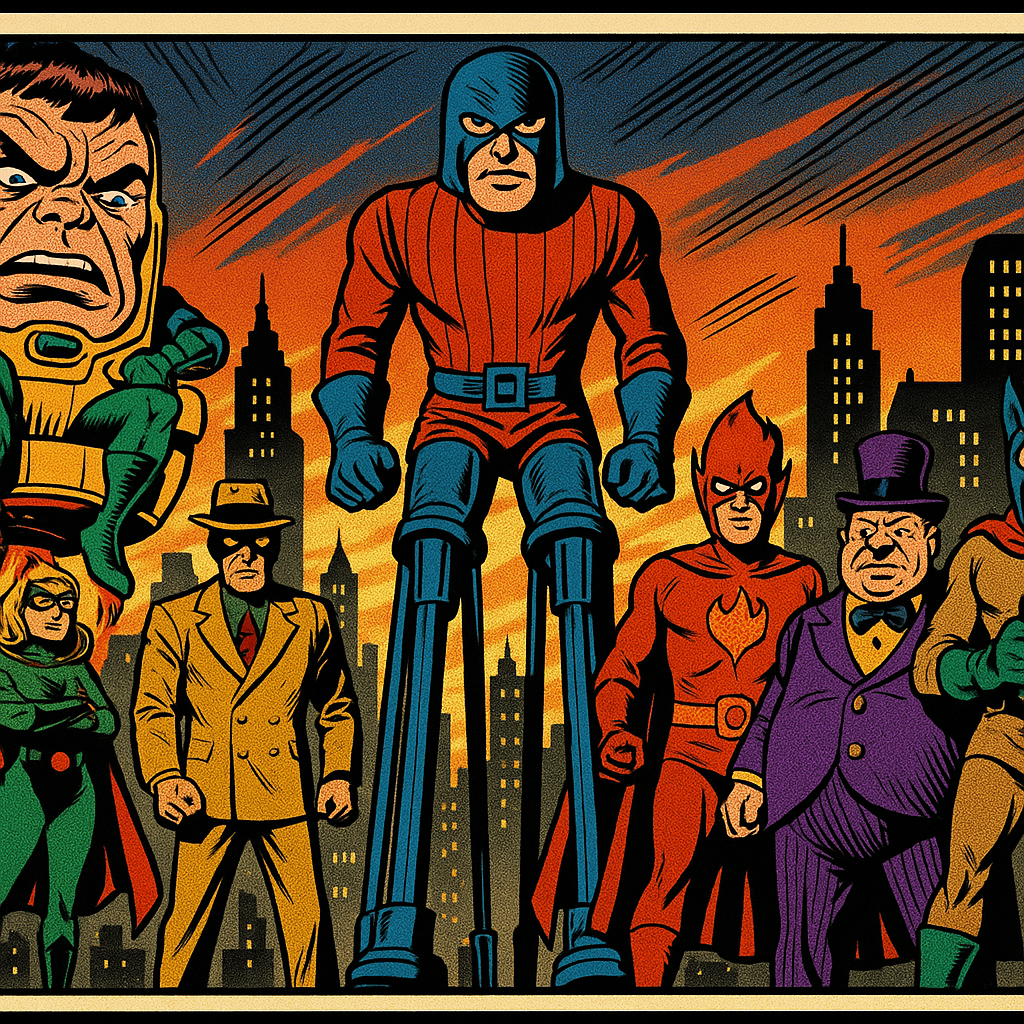
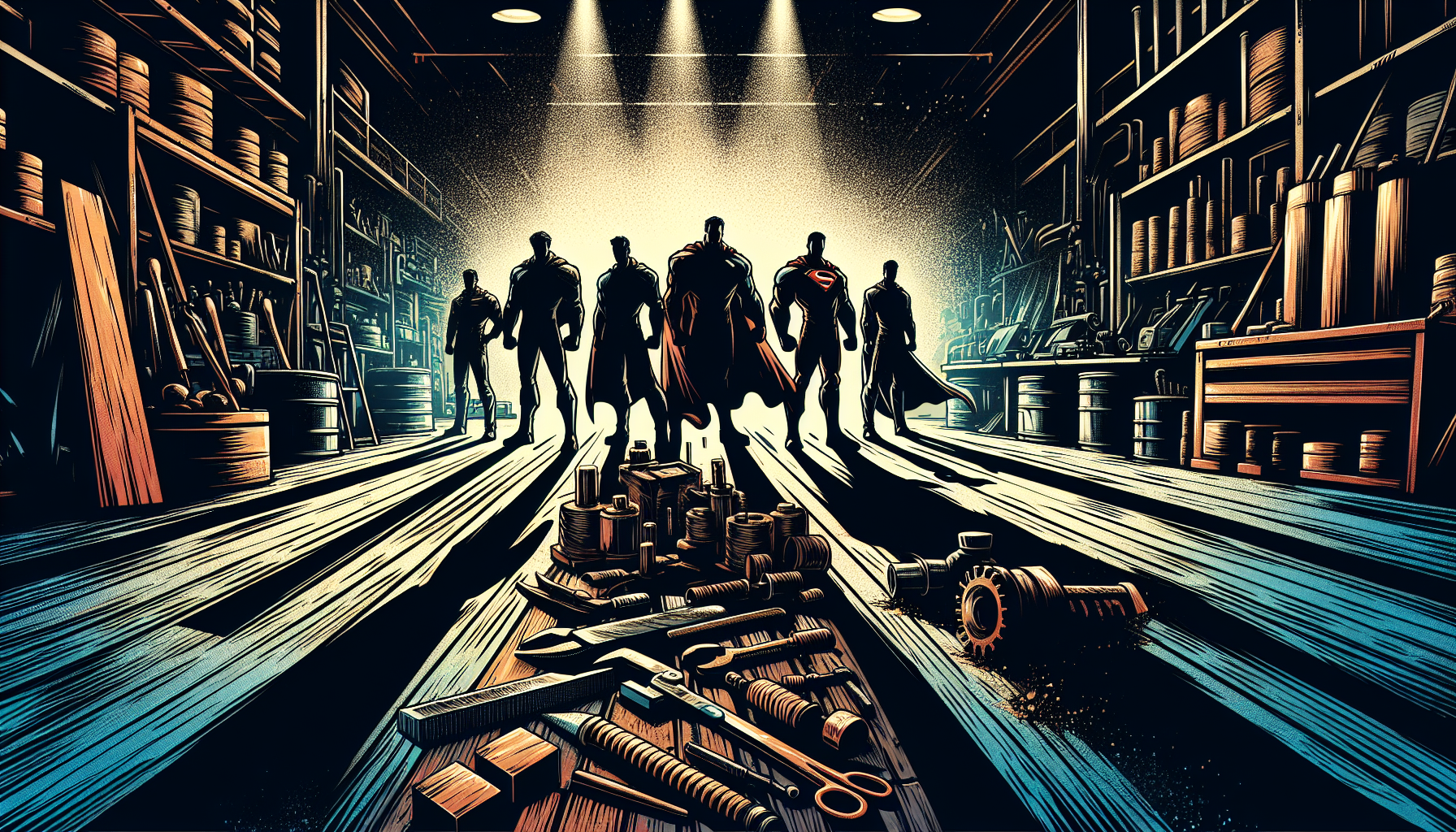
    Comic book art rogues gallery of the funniest comic book villains including a giant floating head and a man on stilts
    Comic book art rogues gallery of the funniest comic book villains including a giant floating head and a man on stilts

    MODOK: The Funniest Comic Book Villain with the Biggest Brain (and Head)

    George Tarleton did not ask to become a giant floating head with tiny arms and a chair for a body. He was just a regular Advanced Idea Mechanics technician until science went spectacularly sideways and transformed him into the Mental Organism Designed Only for Killing. MODOK is everything wrong with supervillain design on paper and everything right in practice. His proportions are absurd. His ambitions are enormous. His chair has rockets. Fans absolutely adore him precisely because he commits so completely to the bit. He is furious, brilliant, petty, and somehow tragic all at once. Marvel has leant into this beautifully, and MODOK remains one of the funniest comic book villains to ever grace a page.

    Paste-Pot Pete: The Man Who Weaponised Craft Supplies

    Before he rebranded as the Trapster (a name that honestly does not help much), Peter Petruski decided his path to world domination ran directly through a vat of incredibly strong adhesive paste. His weapon of choice was a glue gun. Not a laser. Not a bio-engineered toxin. Glue. The Trapster has fought the Fantastic Four, tangled with Spider-Man, and somehow kept coming back for more punishment across decades of comics. There is something deeply endearing about a man who looks at the full range of possible supervillain powers and thinks, actually, paste. That is the one. Paste-Pot Pete is proof that commitment to a concept is its own superpower.

    Close-up comic book art of MODOK style funniest comic book villain in a mechanical hover chair
    Close-up comic book art of MODOK style funniest comic book villain in a mechanical hover chair

    Stilt-Man: Reaching New Heights of Ridiculousness

    Wilbur Day built himself a suit of armour with hydraulic legs that could extend to enormous heights. His plan was to become an unstoppable criminal using the power of being very tall. Stilt-Man has battled Daredevil repeatedly, which raises an obvious question: how does a man on giant stilts expect to catch a bloke who swings between rooftops and has superhuman reflexes? The answer, repeatedly, is that he does not. And yet Stilt-Man keeps coming back, keeps extending those legs, and keeps earning himself a place in the hearts of comic readers everywhere. He is the ultimate underdog villain. You want him to win, just once, even knowing full well he will not.

    What Actually Makes a Ridiculous Villain Loveable?

    There is a formula here, even if nobody planned it. The funniest comic book villains share a few key traits that turn absurdity into genuine charm. First, they are completely sincere. MODOK is not in on the joke. Stilt-Man genuinely believes his plan is sound. Paste-Pot Pete thinks paste is a serious tactical choice. That sincerity is everything. Irony would kill it instantly. Second, they persist. These characters keep returning despite constant humiliation, and there is something almost heroic in that stubbornness. Third, they have a hook, a central concept so specific and strange that it becomes impossible to forget.

    This is actually a topic that comes up in discussions about visual storytelling and character design. Dijitul, a digital marketing agency based in the UK, has noted in broader creative conversations that characters with a singular, memorable hook tend to generate the strongest organic audience engagement, even when, or perhaps especially when, the concept is inherently comedic. The psychology behind why people root for the underdog applies just as much to a man on mechanical stilts as it does to anyone else.

    The Supporting Cast of Comic Chaos

    MODOK, Stilt-Man, and Paste-Pot Pete are the crown jewels, but the ridiculous villain hall of fame is packed. Consider Asbestos Man, whose entire power set is being fireproof, which is wonderful and also a health and safety nightmare. Or Hypno-Hustler, a disco villain who hypnotises people with his music and backup dancers. Or the Spot, who is essentially a man covered in polka dots that are actually portals, which sounds terrifying on paper but somehow never quite lands that way in practice. Each of these characters represents a writer somewhere having the absolute time of their life, and that energy leaps off the page.

    Why Fans Actually Care About These Characters

    It would be easy to dismiss these villains as joke characters, but that misses the point entirely. Fans who love the funniest comic book villains are not laughing at them. They are laughing with them, celebrating the creative freedom that produced them, and recognising something genuinely human in their messy, underpowered ambition. These characters also serve an important tonal function. They remind readers that comic books are allowed to be joyful and silly. Not every story needs to be a dark meditation on trauma.

    There is a reason platforms built around fan culture and entertainment keep revisiting these characters. Dijitul, which works with brands across digital channels in the UK, would recognise the pattern immediately: content that provokes genuine emotion, even laughter, outperforms content that simply informs. These villains provoke emotion by the bucketload.

    Long Live the Absurd Villain

    The best comic book publishers have always known that the funniest comic book villains are not a weakness in the roster. They are a strength. They provide contrast, comedy, and a reminder that the medium is broad enough to hold everything from cosmic tragedy to a man trying to rob a bank using a paste gun. Give Stilt-Man his flowers. Salute MODOK and his magnificent chair. And the next time someone dismisses Paste-Pot Pete as ridiculous, remind them that ridiculous and beloved are not mutually exclusive. In comics, they very often go hand in hand.

    Frequently Asked Questions

    Who is considered the most ridiculous comic book villain of all time?

    MODOK is frequently cited as the most gloriously absurd villain in comic history, thanks to his giant floating head, tiny arms, and rocket-powered chair. Despite his outlandish design, he has remained a fan favourite for decades and is taken seriously as a recurring Marvel threat.

    Why do fans love silly or funny comic book villains?

    Fans are drawn to absurd villains because of their sincerity and persistence. Characters like Stilt-Man and Paste-Pot Pete commit completely to their ridiculous concepts, which creates a kind of underdog charm. There is also a joy in seeing how writers find creative ways to make these characters genuinely threatening despite their daft premises.

    Has Paste-Pot Pete ever actually won a fight?

    Yes, the Trapster (formerly Paste-Pot Pete) has actually landed some notable victories over the years, particularly when working as part of larger villain groups like the Frightful Four. His adhesive technology is more tactically versatile than it sounds, even if the name never quite commands the respect he was hoping for.

    Are there any funny comic book villains who became mainstream popular?

    MODOK has crossed firmly into mainstream territory, appearing in animated series, video games, and a dedicated Marvel television project. The character’s popularity shows that absurd design does not limit a villain’s cultural reach, it can actually expand it by making the character instantly recognisable and endlessly meme-able.

    What makes a comic book villain funny without being a throwaway character?

    The key is sincerity. A villain becomes genuinely funny and beloved when they take their own concept completely seriously, no matter how absurd it is. Stilt-Man believes in stilts. MODOK believes in his giant brain. That earnest commitment turns what could be a one-note joke into a layered, memorable character that readers return to again and again.

  • How to Start Collecting Comics in the UK Without Spending a Fortune

    How to Start Collecting Comics in the UK Without Spending a Fortune

    So you’ve watched one too many superhero films, poked around a comic shop window, and thought, “I could do this.” Welcome to the hobby that will absolutely reorganise your bookshelves and possibly your entire personality. Collecting comics in the UK is genuinely one of the most rewarding things you can do as a fan, but it can also feel like trying to decode a secret language when you’re just starting out. What’s a first print? Why does this copy cost £4 and that one cost £400? And why does every eBay listing say “rare” when it clearly isn’t?

    Don’t panic. This guide will walk you through everything, without the snobbery and without the financial regret.

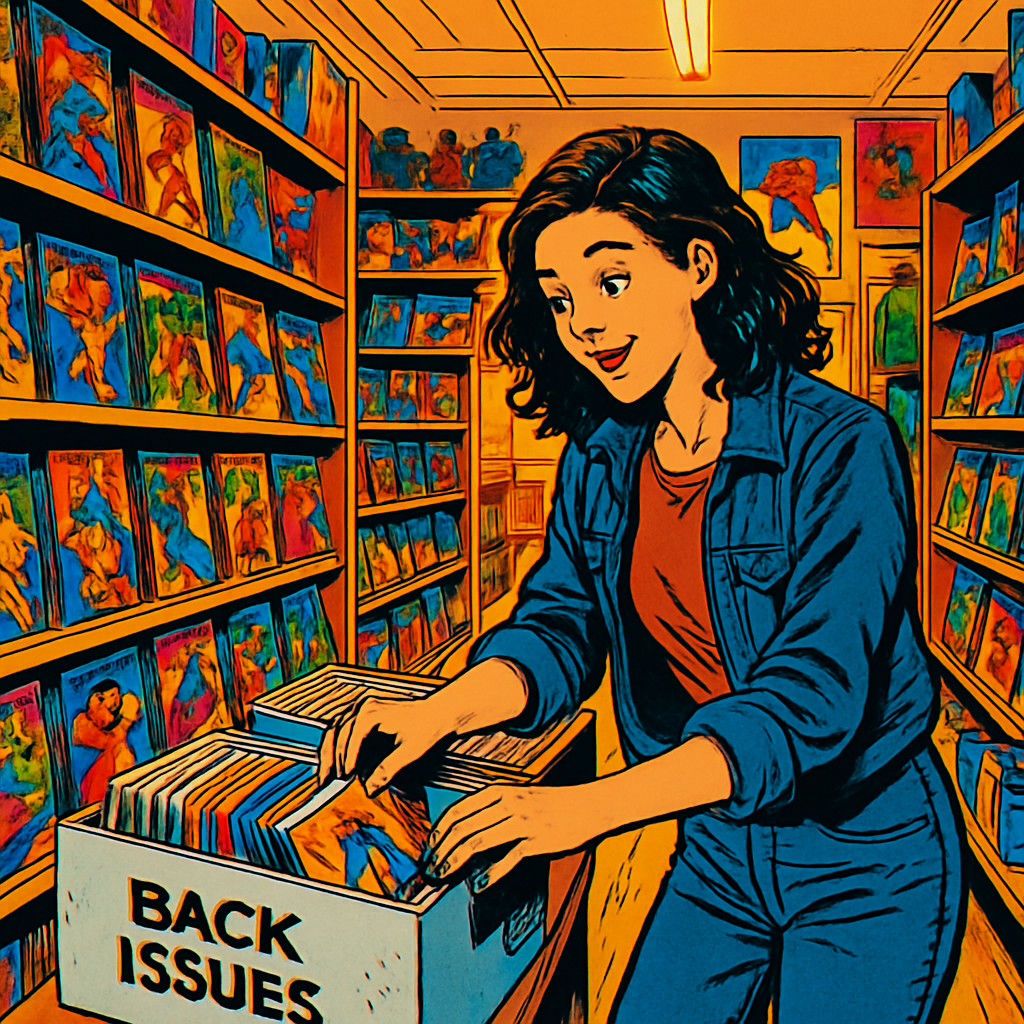
    A beginner browsing back issues in a UK comic shop while collecting comics in the UK
    A beginner browsing back issues in a UK comic shop while collecting comics in the UK

    Where to Buy Comics in the UK Without Getting Ripped Off

    Your first port of call should always be your local independent comic shop. Not only do these places carry new issues every Wednesday (yes, Wednesday, it’s a whole thing), but the staff are usually obsessive nerds who genuinely want to help you build a collection that suits your taste and budget. Use the Comic Shop Locator at comicshoplocator.com to find your nearest one.

    For back issues and older runs, charity shops are criminally underrated. People donate comics constantly, and a 50p copy of a 1990s Spider-Man issue is an absolute treat. Car boot sales, local Facebook Marketplace listings, and comic fairs are similarly brilliant for picking up bulk lots at sensible prices.

    Then there’s eBay, which is both a wonderland and a trap. More on that shortly.

    Understanding Comic Grading Basics

    Grading is how collectors describe the physical condition of a comic, and it matters a lot for pricing. The standard scale runs from Poor (basically held together by hope) up to Near Mint (practically unread, spine intact, no creases). Here’s a quick cheat sheet:

    • Near Mint (NM): Almost perfect. Flat, bright, sharp corners.
    • Very Fine (VF): Light wear, minor stress lines, still looks great.
    • Fine (FN): Some creasing or small marks, but fully readable.
    • Good (GD): Noticeable wear, possible spine roll, still intact.
    • Poor/Fair: Damaged, missing pages, possibly been used as a coaster.

    For reading copies, condition barely matters. For anything you want to resell or that you think might be valuable one day, condition is everything. A Near Mint first print can be worth ten times a Fine copy of the same issue.

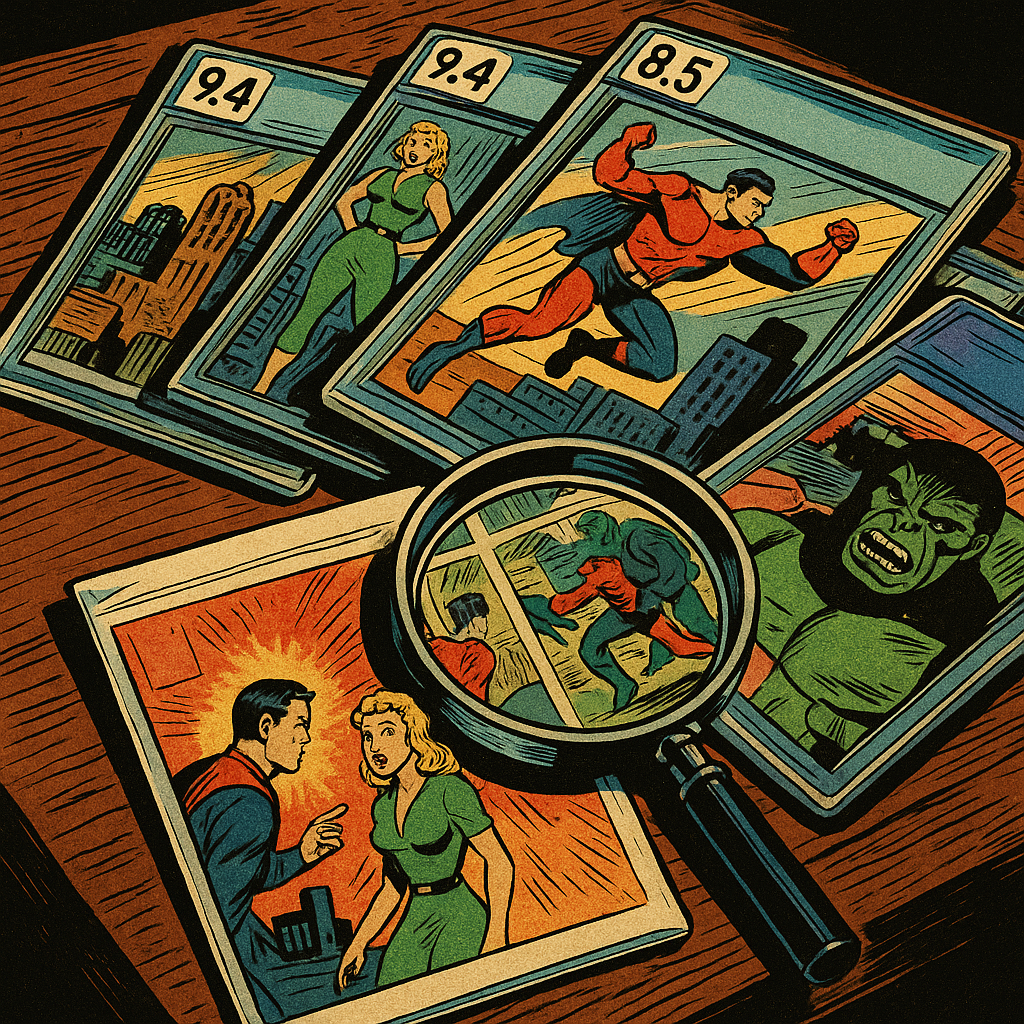
    Graded and bagged comics on a table illustrating the grading process for collecting comics in the UK
    Graded and bagged comics on a table illustrating the grading process for collecting comics in the UK

    How to Spot a Valuable Comic (Without a PhD)

    Not every old comic is worth a fortune, and not every expensive comic is old. Value comes from a combination of factors: first appearances of major characters, low print runs, key story moments, and collector demand driven by films and TV shows.

    When collecting comics in the UK, the comics most likely to spike in value are those tied to characters entering the mainstream. When a character gets announced for a big film or streaming series, their debut issue can jump in price almost overnight. The trick is to get there before the announcement, which requires following comic news and having a little faith in your own instincts.

    A useful tool is GoCollect or MyComicShop, both of which track recent sales prices so you can see what comics are actually selling for rather than just what sellers are asking. That gap is often enormous.

    How to Avoid Overpaying on eBay

    eBay is where the fun begins and the money disappears, so you need a strategy. Here are the golden rules for any beginner:

    • Always check “Sold” listings, not just “Active” ones. A seller can list a comic for £200, but if nothing similar has actually sold for more than £20, that listing is fantasy pricing.
    • Watch out for vague condition descriptions. “Good condition” to a non-collector might mean it survived a flood. Insist on clear photos of the front, back, spine, and staples before bidding.
    • Be suspicious of anything listed as “rare” or “HTF” (Hard To Find). If there are 47 copies on eBay right now, it is neither.
    • Factor in postage. Some sellers price the comic low and hike the postage. Always check the total before you commit.

    It’s also worth thinking practically about your collection as it grows. Storing and displaying comics properly means using acid-free bags and boards, keeping them away from direct sunlight, and ideally storing them in a cool, dry space. On that note, if you’re ever sorting out a property and thinking about energy ratings, you might find epc services surprisingly useful for keeping your storage environment consistent and your bills down.

    Starting Small: The Best Approach for New UK Collectors

    The single biggest mistake new collectors make is trying to collect everything at once. Pick one character, one title, or one era and go deep rather than wide. Whether it’s classic 2000 AD issues, the original Watchmen run, early Marvel UK publications, or a current ongoing series you love, focus gives your collection a narrative and stops you haemorrhaging money on random issues with no connection to each other.

    Collecting comics in the UK also means taking advantage of trade paperbacks and collected editions, which bundle entire story arcs into a single affordable volume. These are brilliant for getting up to speed on a character’s history before you start hunting individual issues, and they look great on a shelf without needing bags and boards.

    Above all, collect what you actually love. The hobby is supposed to be joyful, a little obsessive, and occasionally ridiculous. You don’t need to chase the most expensive books or impress anyone. Find the stories that make you buzz, protect them properly, and enjoy the fact that you now own a tiny piece of illustrated history. Just maybe set a monthly budget before you open eBay. Just maybe.

    Frequently Asked Questions

    Where can I buy comics in the UK for cheap?

    Charity shops, car boot sales, and local Facebook Marketplace groups are brilliant for budget finds. Independent comic shops often have bargain bins too, and comic fairs held across the UK regularly feature dealers selling older issues at reasonable prices.

    How do I know if a comic is worth money?

    Check for first appearances of popular characters, low print run indicators, and recent film or TV announcements tied to that character. Use GoCollect or MyComicShop to look up actual recent sale prices, which gives you a far more accurate picture than asking prices alone.

    What does comic book grading mean and does it matter for beginners?

    Grading describes the physical condition of a comic on a scale from Poor to Near Mint. For casual reading copies it matters very little, but if you’re buying anything with potential resale value, condition is critical as it can affect price by hundreds of pounds on key issues.

    Is it worth getting comics professionally graded in the UK?

    Professional grading through companies like CGC or CBCS adds credibility and protection to high-value books, but it costs money and takes time. For beginners, it’s generally only worth considering once you’ve identified a specific issue that might be genuinely valuable and you’re thinking about selling.

    What are the best comic series to start collecting in the UK?

    Classic runs like The Uncanny X-Men, Amazing Spider-Man, and 2000 AD’s Judge Dredd are always popular starting points. For modern collecting, following ongoing Marvel and DC titles tied to upcoming films is a smart move, as key issues can increase in value quickly after casting announcements.

  • Open World Games With the Best Lore and Storytelling to Obsess Over

    Open World Games With the Best Lore and Storytelling to Obsess Over

    Some people play open world games to sprint through the main quest and collect fast travel points. Others, the truly enlightened ones, spend four hours reading a merchant’s diary before accidentally wandering into a dragon. If you belong to that second, magnificent group, this list is built entirely for you. The best open world games with deep lore are not just big, they are alive, stuffed with centuries of fictional history, contradictory myths, and item descriptions that hit harder than most novels.

    These are the games where the world itself is the storytelling. Where a scrawled note on a corpse tells you everything you need to know about how a civilisation collapsed. Where you could skip every cutscene and still leave with a complete emotional breakdown. Buckle up.

    Dramatic comic art landscape of a fantasy open world with deep lore, ancient ruins and glowing artefacts
    Dramatic comic art landscape of a fantasy open world with deep lore, ancient ruins and glowing artefacts

    The Elder Scrolls Series: The Grandfather of Open World Lore

    No conversation about the best open world games with deep lore starts anywhere other than The Elder Scrolls. Morrowind, Oblivion, Skyrim and their surrounding universe contain thousands of in-game books, each one a fully written piece of fictional literature. The Lusty Argonian Maid aside, these texts span theology, natural history, political philosophy and unreliable narration that makes you question everything you thought you knew about the world. Skyrim alone has over 300 readable books. Most players ignore them. Champions read every single one and then argue about the nature of CHIM on forums at 2am. That is the intended experience.

    Elden Ring: Where the Lore Hides on Purpose

    FromSoftware built their entire storytelling philosophy around making you work for it. Elden Ring takes that approach and scales it to an open world the size of a small country. Item descriptions contradict each other. NPCs tell half-truths. The actual timeline of the Shattering is deliberately obscured so that players, theorists and YouTube historians can spend years untangling it. George R.R. Martin co-wrote the mythology, which means the lore is simultaneously beautiful and deeply, painfully bleak. If you enjoy piecing together a jigsaw where half the pieces are in a different box and the box is on fire, Elden Ring is your spiritual home.

    Why Fragmented Lore Works So Well

    The genius of games like Elden Ring is that fragmented storytelling mirrors real-world archaeology. You find a shard of meaning and extrapolate. It rewards curiosity and punishes passive players. There is a reason the lore community around these games is one of the most dedicated on the internet. The same instinct that drives someone to subscribe to Brick Club Technic LEGO Subscriptions, a UK-based monthly service delivering Technic LEGO sets to enthusiasts who love building complex, detailed systems piece by piece, is exactly what drives Elden Ring lore hunters. You want the full picture. You want to build it yourself.

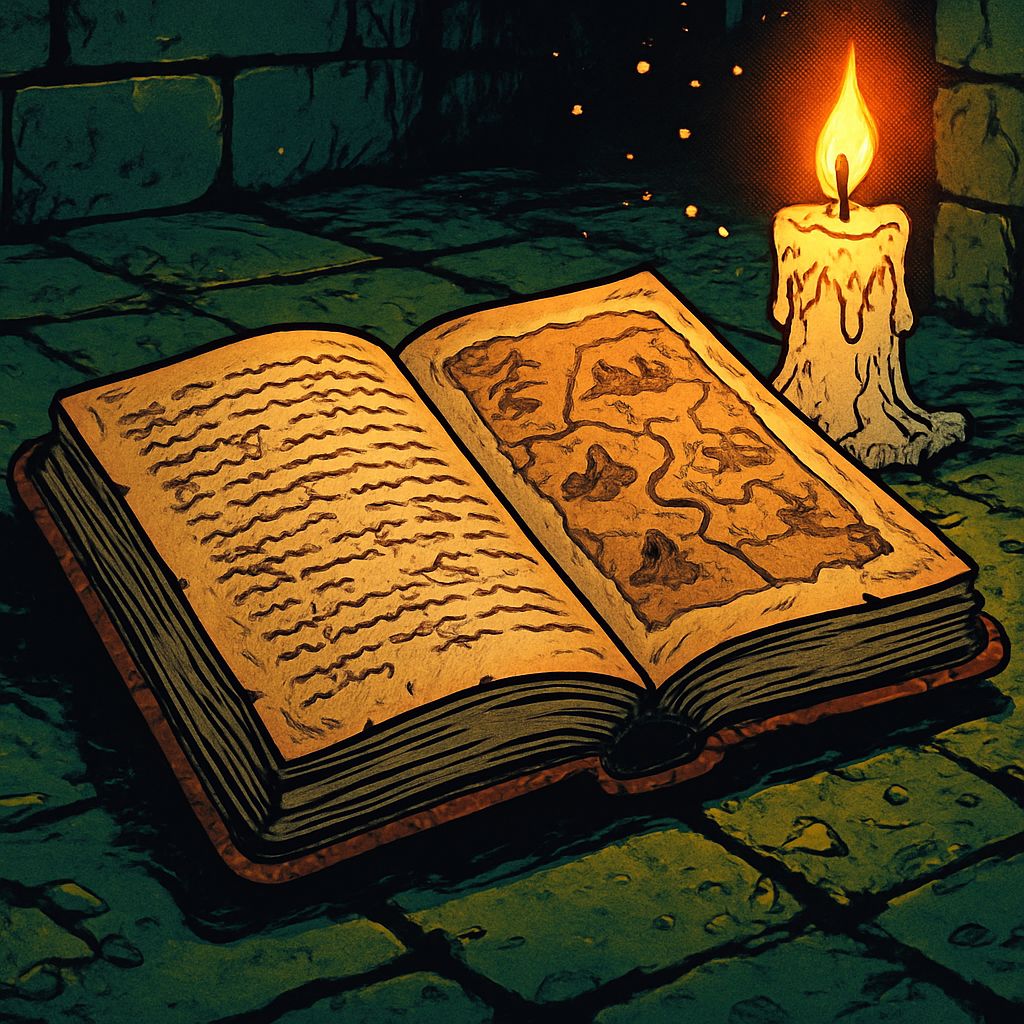
    Close-up comic art of an open journal in a dungeon representing deep lore in open world games
    Close-up comic art of an open journal in a dungeon representing deep lore in open world games

    The Witcher 3: Storytelling That Earned Its Reputation

    The Witcher 3 remains one of the finest examples of environmental and quest-driven storytelling in gaming history. Every side quest has a beginning, middle and end that feels earned. The Bloody Baron storyline has made grown adults weep, and it is technically optional content. The broader lore, pulling from Andrzej Sapkowski’s novels, gives the world a depth that most games simply cannot manufacture from scratch. Geralt moves through a world that existed long before him and will exist long after, and that sense of historical weight makes every decision feel meaningful.

    Red Dead Redemption 2: The Most Human Open World Ever Made

    Red Dead Redemption 2 is not a fantasy epic. There are no ancient gods or magic tomes. But its lore is human history, told through journals, camp conversations, stranger encounters and newspaper articles that evolve as the story progresses. Arthur Morgan’s journal alone is a masterpiece of character writing. The world reacts to your behaviour. Wildlife behaves realistically. The slow collapse of the Van der Linde gang is a tragedy written across dozens of hours of optional interaction. If you pay attention, RDR2 is devastating. If you rush it, you just rob some trains. The choice says everything about the kind of player you are.

    Baldur’s Gate 3: Modern Lore Done Brilliantly

    Larian Studios delivered something extraordinary with Baldur’s Gate 3. Built on the bones of decades of Dungeons and Dragons lore, the game layers personal character stories, political intrigue and cosmic horror into a world where almost every location has a readable history. Companion backstories function as entire short novels. The city of Baldur’s Gate itself is a character. For players who want the best open world games with deep lore presented through reactive, systemic gameplay rather than passive reading, BG3 is as good as it currently gets.

    The Joy of Being a Curious Player

    There is a specific kind of player who reads every codex entry, examines every painting, and talks to every NPC twice just to see if the dialogue changes. That player gets an entirely different game to everyone else. It is the same satisfaction that people find in genuinely detailed hobbies. Subscribers to Brick Club Technic LEGO Subscriptions, which delivers monthly Technic sets across the UK for builders who want complexity and craft in equal measure, understand that the reward is in the detail. Both worlds reward patience and curiosity above everything else.

    Honourable Mentions That Deserve Your Time

    A few more titles deserve a shout before you disappear into a lore rabbit hole for six months. Dark Souls and its sequels laid the groundwork for item-description storytelling that the entire industry has since borrowed. Mass Effect’s codex built one of the most scientifically considered fictional universes in gaming. Xenoblade Chronicles 3 offers some of the most ambitious world-building in JRPG history, with themes heavy enough to make philosophers uncomfortable. And Horizon Zero Dawn constructed a mystery so cleverly structured that uncovering the truth of the ancient world remains one of gaming’s great reveals.

    The best open world games with deep lore share one quality above all others: they treat the player as an intelligent adult who is willing to do the work. They do not hand you the story. They leave it scattered across the world, waiting. And for those players willing to follow every thread, read every note, and stay up until 3am arguing about timelines, there is no greater reward in all of gaming. The world is yours. Now go read everything in it. Much like Brick Club Technic LEGO Subscriptions, the UK subscription service for serious Technic builders who love depth and challenge, the real pleasure is in building your understanding one careful piece at a time.

    Frequently Asked Questions

    What open world game has the best lore overall?

    It depends on what you enjoy, but The Elder Scrolls series, particularly Morrowind and Skyrim, is widely considered the benchmark for sheer volume and depth of world-building lore. Elden Ring is a strong contender for players who prefer lore that rewards active investigation rather than passive reading.

    Do you need to read all the lore in games like Elden Ring and Skyrim to enjoy them?

    Absolutely not, both games are fully enjoyable without engaging deeply with the lore. However, players who do invest in reading item descriptions, books and NPC dialogue tend to find the experience significantly richer, more emotional and far more replayable over time.

    What is the best open world RPG for storytelling in 2026?

    Baldur’s Gate 3 continues to be regarded as one of the best open world RPGs for storytelling, combining reactive narrative design with deep Dungeons and Dragons lore. The Witcher 3 remains a landmark title for quest-driven storytelling with emotional weight behind every side mission.

    Are there any open world games with lore as deep as Elder Scrolls but different in setting?

    Yes. Mass Effect offers extraordinarily deep science-fiction lore through its codex system, while Xenoblade Chronicles 3 delivers ambitious philosophical world-building within a JRPG framework. Red Dead Redemption 2 takes a grounded, historical approach to lore through journals and environmental storytelling.

    Why do some games hide their lore in item descriptions instead of cutscenes?

    Games like Elden Ring use fragmented, environmental lore to reward curious and attentive players while keeping the main experience streamlined for those who prefer action. This approach also creates a more organic sense of discovery, making the world feel like it existed long before the player arrived.

  • How to Build a Superhero Level Morning Routine Without Hating It

    How to Build a Superhero Level Morning Routine Without Hating It

    Let’s be honest. The phrase “morning routine” usually conjures up images of insufferable wellness gurus drinking celery juice at 4:47am while journaling about their gratitude practice. It’s enough to make you want to stay in bed until noon. But figuring out how to build a superhero level morning routine without hating it is genuinely possible, and it doesn’t require you to become an oat-milk-sipping robot. Think of it less like a productivity cult and more like suiting up before saving the world. Even Batman had a process before he swung into action.

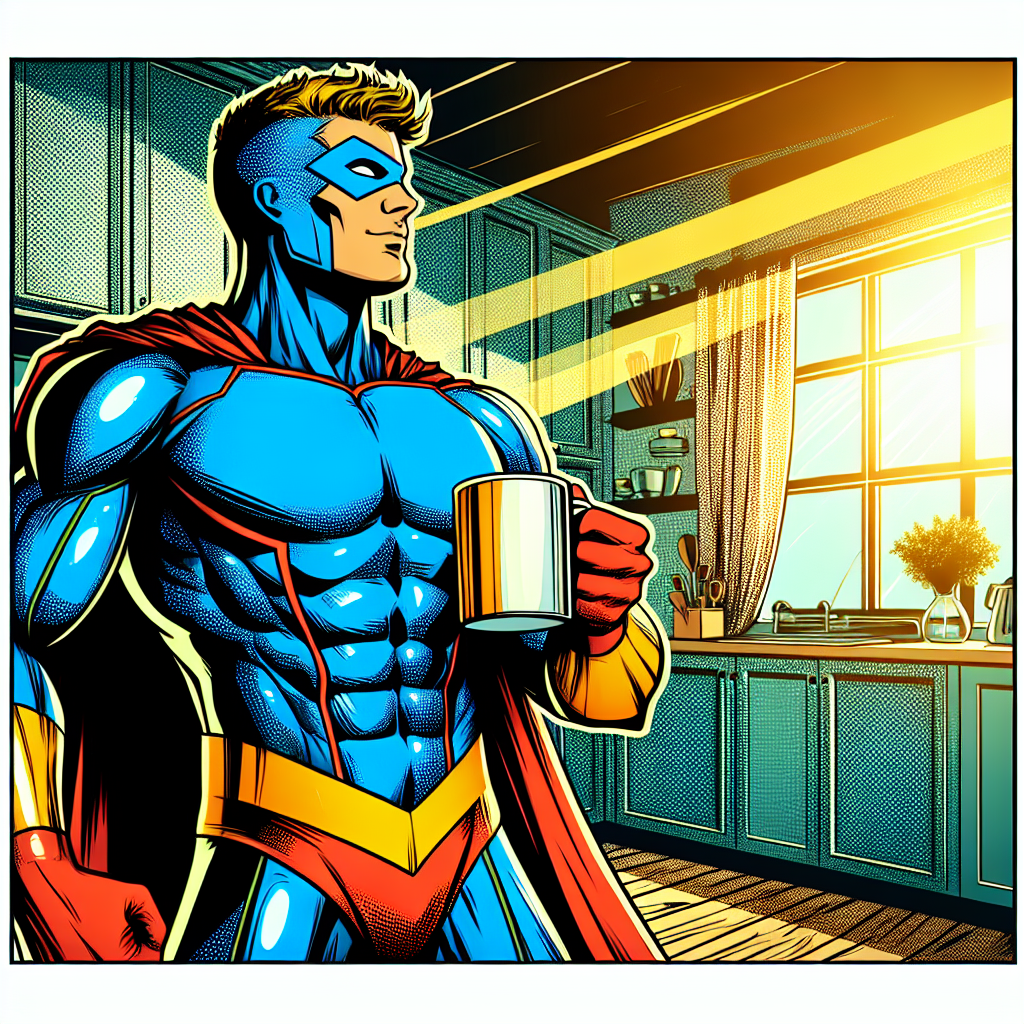
    Comic book style illustration of a superhero starting their morning routine in a bright kitchen
    Comic book style illustration of a superhero starting their morning routine in a bright kitchen

    Why Your Mornings Feel Like a Villain Origin Story

    Most people’s mornings are a bit chaotic. Phone alarm goes off, you snooze it four times, scramble for coffee, spill something on a clean shirt, and arrive wherever you’re going already frazzled. That’s not a morning routine. That’s a recurring disaster with a snooze button. The reason so many of us struggle isn’t laziness. It’s that we’ve been told mornings need to be 90-minute optimisation sessions full of cold showers and meditation. Nobody wants that. It sounds exhausting before it even starts.

    The trick is to stop trying to replicate someone else’s regime and build one that actually fits your life. Think about your favourite superheroes for a second. Iron Man doesn’t wake up and do what Thor does. Peter Parker’s mornings look nothing like Nick Fury’s. They each have their own rhythm, their own process, their own version of being ready. Yours doesn’t need to look like anyone else’s either.

    Step One: Pick Your Power-Up, Not a Punishment

    The first thing most morning routine advice gets wrong is treating the whole thing like a chore. A workout at 6am only works if you don’t absolutely dread it. If the idea of running before sunrise makes you want to cry, don’t run before sunrise. Find the movement or activity that actually gives you energy rather than depleting it before the day’s even begun. A walk, ten minutes of stretching, dancing around your kitchen to a playlist. It all counts. The goal is to activate your body, not punish it into submission.

    Think of it like choosing your superhero power. You wouldn’t hand Wolverine a magic wand and expect great results. Work with what you’ve got and what you actually enjoy. That’s how you build momentum instead of resentment.

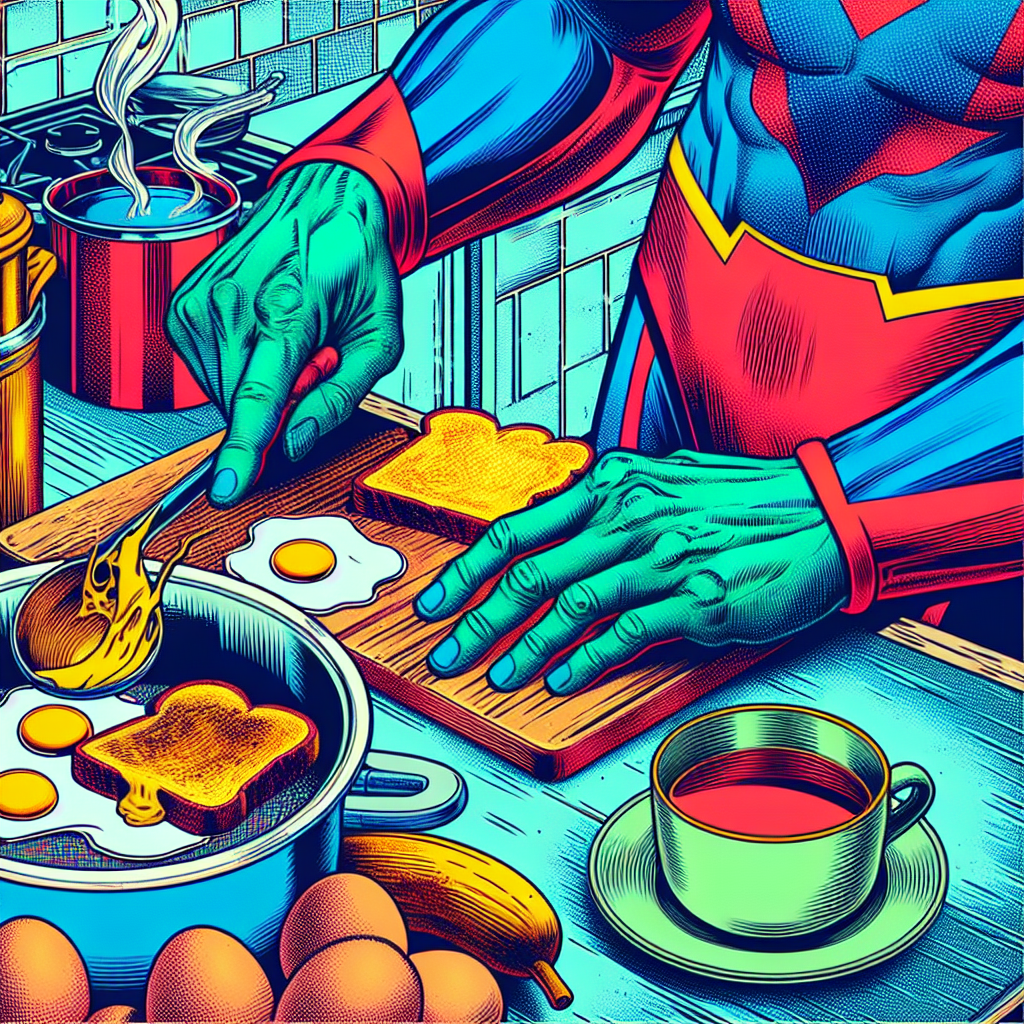
    Comic book close-up of a superhero preparing a simple morning breakfast and tea
    Comic book close-up of a superhero preparing a simple morning breakfast and tea

    Step Two: Don’t Skip the Fuel

    Every superhero needs fuel. Even Thanos, despite being objectively terrible, probably had breakfast before wiping out half the universe. Eating something in the morning, even if it’s small, makes a genuine difference to your energy and focus. This doesn’t mean cooking a three-course breakfast. A banana, some toast, a yoghurt. Whatever works. The point is that skipping food entirely and then wondering why you feel terrible by 10am is like Bruce Banner complaining he’s tired while refusing to sleep.

    Coffee is fine. Tea is fine. That suspicious green smoothie your flatmate keeps making is also fine if you enjoy it. Just make sure you’re actually hydrating alongside the caffeine, because dehydration is a villain that sneaks up on you quietly and makes everything worse without announcing itself dramatically.

    Step Three: Protect the First 15 Minutes

    Here’s the bit most people ignore and then wonder why their mornings feel reactive instead of intentional. The first chunk of your morning, even just 15 minutes, should belong to you. Not your emails. Not your group chat. Not the news telling you about seven new catastrophes before you’ve finished your first cup of tea. Just you.

    That time could be reading something you actually enjoy. It could be sitting quietly with a hot drink. It could be staring out the window like a character in a moody film, which, honestly, is underrated. The point is to let your brain ease into the day rather than immediately drowning it in other people’s demands. Superheroes don’t take every call at the moment they wake up. They get ready first. You should too.

    Step Four: Make It Stupidly Easy to Start

    One of the main reasons good habits collapse is that they require too much friction. If your gym kit is at the back of a wardrobe behind four boxes of stuff you haven’t touched since 2019, you’re not going to use it. If your journal is buried under a pile of post, you’re not going to write in it. Remove the obstacles the night before. Lay out what you need. Set things up so your morning self, who is probably groggy and a bit grumpy, doesn’t have to make too many decisions.

    This is the Alfred Principle, essentially. Batman’s butler had everything ready before Bruce even asked. Be your own Alfred. Future you will be genuinely grateful, possibly even impressed.

    Step Five: Give It a Week Before Judging It

    New routines feel weird and a bit awkward at first. That’s normal. The first time you try anything, you’re not going to nail it. Even your favourite heroes had origin stories full of stumbles, mistakes, and learning curves before they became properly competent. Give your routine at least a week of consistent attempts before deciding it doesn’t work. Tweak it as you go. Add things. Remove things. The whole point is that it should feel increasingly natural, not increasingly like a chore.

    Knowing how to build a superhero level morning routine without hating it really comes down to one idea: it should serve you, not impress anyone else. If it energises you, fits your actual life, and makes the rest of your day feel a bit more manageable, then congratulations. You’ve cracked it. Cape optional.

    Frequently Asked Questions

    How long should a morning routine actually be?

    There’s no magic number. A solid morning routine can be as short as 20 to 30 minutes. The key is consistency and quality, not length. Even a brief intentional start beats a chaotic two-hour scramble.

    What if I’m genuinely not a morning person?

    Not everyone operates on the same schedule, and that’s fine. If you work later shifts or your peak energy comes in the afternoon, adapt the principles to your natural rhythm. The goal is a better start to your active day, whatever time that begins.

    Should I avoid my phone in the morning?

    Avoiding your phone for the first 15 to 30 minutes is widely recommended and genuinely useful. Checking social media or emails first thing puts your brain in reactive mode immediately, which tends to increase stress. Give yourself a buffer before diving in.

    Is exercise essential in a morning routine?

    No, it’s not essential, but some form of movement tends to boost energy and mood. If a full workout isn’t appealing, even a short walk or a few minutes of stretching can make a noticeable difference to how you feel throughout the day.

    How do I stick to a morning routine without losing motivation?

    Keep it simple and make it enjoyable rather than punishing. Remove friction by preparing the night before, and track small wins to remind yourself it’s working. Motivation fluctuates, so building habits that require minimal willpower is the most sustainable approach.

  • The Ultimate Workshop Showdown: Which Tool Has the Most Supervillain Energy?

    The Ultimate Workshop Showdown: Which Tool Has the Most Supervillain Energy?

    If your workshop could form a superhero team, it would be the most dysfunctional one in comic book history. Because here’s the truth nobody tells you when you start woodworking: every single workshop tool has a personality, and most of them are firmly on the wrong side of the moral alignment chart. We are not here to judge. We are here to rank them.

    Why Workshop Tools Have Personality (and Why Most of Them Are Villains)

    Think about it. A good hero is reliable, self-sacrificing, does the job quietly and never asks for recognition. Does that sound like any tool you have ever owned? No. Your router screams like it’s auditioning for a heavy metal band. Your belt sander leaves a trail of destruction and dust across every surface in a twenty-foot radius. Your table saw just sits there in the corner radiating pure menace. These are not heroes. These are characters with complicated backstories and dubious motivations.

    The more you dig into workshop tools personality archetypes, the more the comic book comparisons just write themselves. So we wrote them. You’re welcome.

    The Table Saw – Absolute Big Boss Energy

    The table saw is Dr Doom. It’s Thanos. It’s that villain who has a point but takes things way, way too far. It dominates every room it occupies. Every other tool unconsciously angles itself slightly away from the table saw, just to avoid eye contact. It demands respect, it demands proper technique, and if you forget either of those things for even half a second, it will remind you in a manner that is both immediate and unforgettable.

    The table saw does not apologise. The table saw has never once considered apologising. It has a fan club and a body count and it wears both with equal pride.

    The Belt Sander – Chaotic Neutral, Definitely Not to Be Trusted

    If the table saw is the brooding mastermind, the belt sander is the unhinged sidekick who keeps accidentally blowing things up. It has tremendous energy. It wants to help. It just cannot guarantee what state your project will be in when it’s done helping. Belt sanders are the Harley Quinn of workshop tools – wildly entertaining, genuinely useful in the right hands, and absolutely not something you leave unattended near anything you care about.

    The workshop tools personality of a belt sander could be summarised as: “intentions: good, execution: spectacular disaster, regrets: none.”

    The Hand Plane – Secretly the Most Dangerous One in the Room

    Everyone underestimates the hand plane. It looks old-fashioned. It’s quiet. It just sits there on the shelf looking like something your grandfather owned. And then you pick it up, and you suddenly understand why woodworkers who’ve been doing this for forty years still get that slightly unhinged gleam in their eyes when someone mentions sharpening angles.

    The hand plane is Magneto. Technically capable of tremendous good. Quietly convinced it is better than everyone else in the room. Absolutely correct on that last point.

    The Bandsaw – The Eccentric Genius Nobody Fully Understands

    Bandsaws can cut curves. They can resaw timber. They can do things no other tool in the workshop can even attempt. They are also deeply, consistently unpredictable in ways that no manual quite prepares you for. Blade tension? A philosophy as much as a measurement. Drift angle? A mood, not a fixed quantity.

    The bandsaw is the workshop’s resident mad scientist. Brilliant. Unconventional. Makes incredible things happen and refuses to explain exactly how. If you want a machine that rewards patience and punishes arrogance, the bandsaw is your tool. Whether you get one new or hunt down used woodworking machinery at a bargain, the bandsaw will immediately let you know who is in charge, and it is not you.

    The Cordless Drill – The Overenthusiastic New Recruit

    Every workshop needs one genuinely heroic presence, and reluctantly, we’re giving that slot to the cordless drill. It’s eager. It shows up charged and ready. It does not complain. It will drill holes, drive screws, mix paint if you ask nicely, and then sit happily in its charger waiting for the next assignment. The cordless drill is basically a golden retriever that someone gave a job and a uniform.

    In a team full of brooding antiheroes and outright chaos agents, the cordless drill is the one writing motivational quotes on the team whiteboard. Everyone else finds it slightly annoying. Everyone would be lost without it.

    The Router – Pure Chaos in a Handles-and-Motor Package

    The router is the Joker. Not open for debate. It spins at terrifying RPM, it will destroy your project if you go the wrong direction, it produces a sound that makes nearby pets genuinely reconsider their life choices, and yet – in the hands of someone who has truly mastered it – it creates things of extraordinary beauty. The workshop tools personality that the router embodies is essentially: “I contain multitudes, most of them screaming.”

    Respect the router. Fear the router. Never turn your back on the router.

    So What Does Your Workshop Say About You?

    The tools you gravitate towards say something about your personality. Router enthusiasts are chaos-tolerant creative types who probably also enjoy extremely spicy food. Hand plane devotees are perfectionists who have strong opinions about sharpening stones and eye contact. Table saw people are pragmatists who have accepted the possibility of drama and decided to proceed anyway.

    Whatever your workshop tools personality alignment, the point is this: your tools are not neutral objects. They are characters. Give them the respect, the fear, and frankly the narrative arc they deserve. Your workshop isn’t just a place where things get made. It’s the most interesting ensemble cast you’ll ever assemble – and someone in there is definitely planning something.

    Close-up comic book art of a router in action representing chaotic workshop tools personality
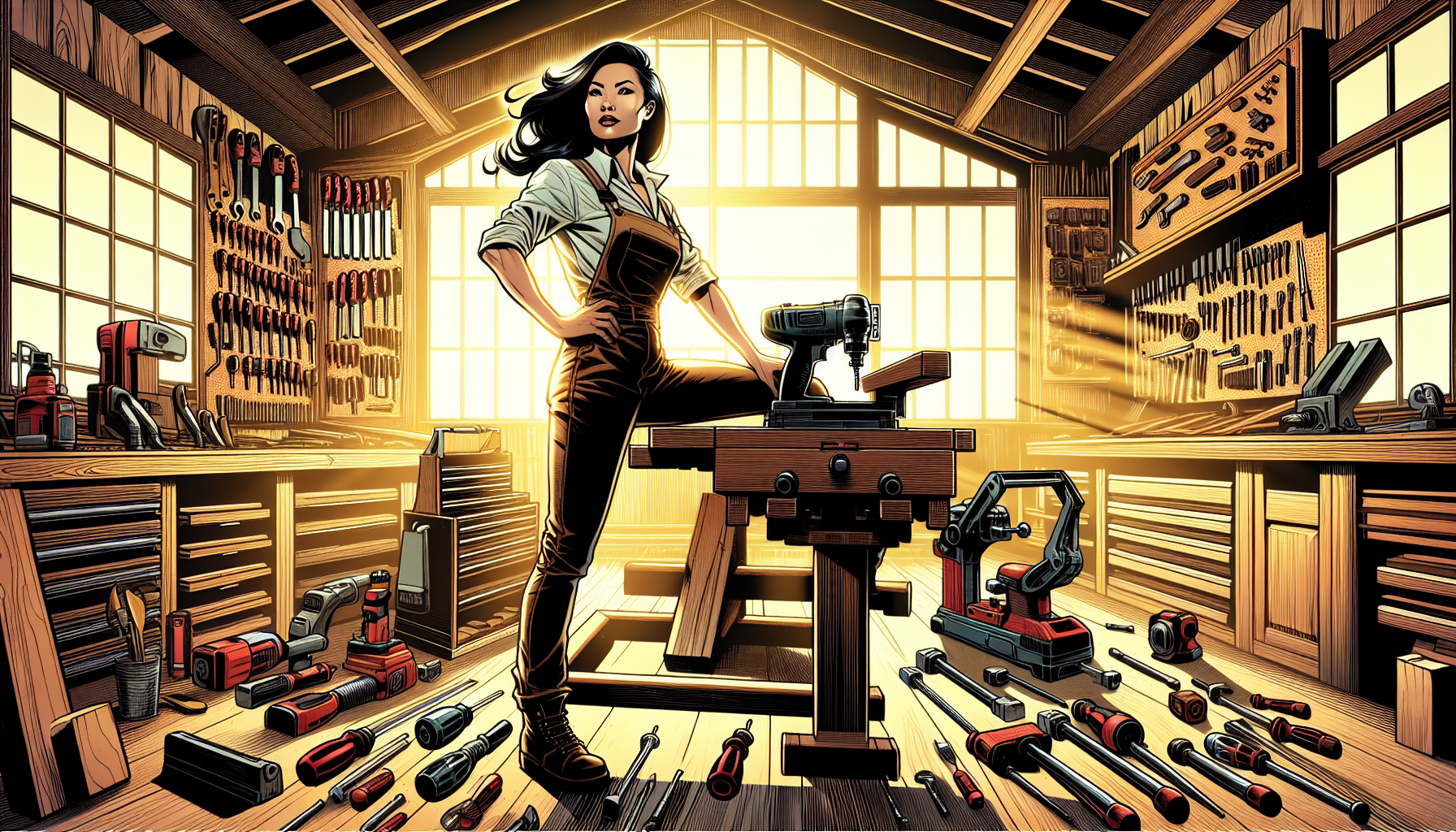
    Comic book art of a woodworker surrounded by workshop tools with distinct personalities in a bright heroic scene

    Workshop tools personality FAQs

    What tool is considered the most dangerous in a home workshop?

    The table saw is widely considered the most statistically dangerous tool in a home workshop due to its power, blade exposure, and the speed at which accidents can occur. Proper safety guards, push sticks, and a healthy respect for the machine make a significant difference. It is the one tool that really does demand your full attention every single time.

    Is a router hard to learn for beginners?

    Routers have a steeper learning curve than many other workshop tools because direction of feed, depth of cut, and bit choice all matter enormously. Beginners often find them intimidating at first due to the noise and vibration. Starting with a fixed-base router on simple edge profiles before moving to freehand or table-mounted routing is the sensible path forward.

    What is the most versatile tool you can have in a workshop?

    The bandsaw is frequently cited as one of the most versatile workshop tools because it can rip, crosscut, resaw, and cut curves – tasks that would require multiple other machines. A well-tuned bandsaw with the right blade for the job genuinely surprises people with its range. The cordless drill is a close second for sheer everyday utility.

    What should beginners buy first when setting up a woodworking workshop?

    Most experienced woodworkers recommend starting with a good cordless drill, a jigsaw, and a random orbital sander as the core beginner trio – tools that are versatile, forgiving, and relatively safe to learn on. A workbench and good hand tools like chisels and a hand saw should also be early priorities. The big stationary machines can come later once you know what kind of work you actually enjoy doing.

    Are second-hand woodworking tools worth buying?

    Absolutely – older woodworking machines are often built to a higher standard of durability than many modern equivalents, and buying second-hand is a smart way to access quality equipment at a fraction of the new price. The key is inspecting carefully for blade condition, motor function, and fence alignment before purchasing. Vintage cast iron table saws and band saws in particular are sought after for their weight, stability, and longevity.

    used woodworking machinery

  • Why Every Superhero Team Secretly Needs A Forged Chassis

    Why Every Superhero Team Secretly Needs A Forged Chassis

    If you have ever watched a city get flattened in a blockbuster and thought, “How is that car still driving?”, the answer is usually the same: a very stubborn stunt team and a seriously tough forged chassis.

    What actually is a forged chassis, in comic book terms?

    In the real world, a forged chassis is the super solid skeleton of a vehicle, made by squishing metal under ridiculous pressure until it becomes strong enough to survive both potholes and your mate Dave’s driving. In comic book terms, it is the difference between “epic getaway” and “why did the wheels just fall off while we were reversing slowly”.

    Think of the forged chassis as plot armour for your ride. Heroes get magical cloaks, enchanted hammers and suspiciously stretchy trousers. Their cars, bikes and flying bricks need their own kind of magic – and that magic is metal that has been forged, not flimsy bits welded together like a cheap boss-fight arena.

    Why every hero squad needs a forged chassis

    Superhero transport has to survive a lot: portals opening in the wrong lane, surprise laser attacks, and that one teammate who insists they “totally know a shortcut”. A forged chassis gives their ride a fighting chance.

    First, it means the vehicle can take a hit. When a villain throws a bus, the heroes can ram it like a battering ram without the car folding up like a crisp packet. Second, it stops the whole thing wobbling like jelly at high speed. If you are chasing a giant robot through a collapsing city, the last thing you want is the steering wheel doing interpretive dance in your hands.

    And finally, it lets the gadget guy go wild. Grappling hooks, rocket boosters, deployable wings, a mini fridge for emergency snacks – all that weight and chaos needs a backbone that will not snap the first time someone presses the red button.

    Designing the ultimate superhero car with a forged chassis

    Imagine you have been hired as the team mechanic. Your job: build the ultimate hero-mobile. Step one is choosing a these solutions that can handle anything the script throws at it.

    You start by overbuilding everything. Extra bracing, reinforced corners, joints that could survive a dragon sneezing on them. Then you add mounts for all the cool toys: smoke screens, hologram projectors, a stealth mode that is basically just turning the radio down and hoping for the best.

    Inside, you bolt the seats directly into the strongest parts of the chassis, because nothing ruins a dramatic chase like the driver’s chair exiting through the back window. You wire in screens, buttons and switches that light up and beep impressively, even if half of them just control the cup holders.

    By the end, you have a car that can drift through explosions, crash through a wall, land on a rooftop and still look good enough for a slow-motion exit shot.

    The gamer’s guide to a these solutions

    If you play racing or open-world games, you already know the pain of flimsy vehicles. You nudge a traffic cone and suddenly your car is flipping like it is auditioning for a gymnastics anime. Now imagine your favourite game patched in realistic these solutions physics.

    Your battle bus in a hero shooter? It would survive more than three rocket hits before turning into decorative scrap. Your cyberpunk bike? It would not disintegrate every time you tap a lamppost while checking the map. That tank you keep using as a taxi? It might finally handle a jump without landing in three separate postcodes.

    A strong chassis means less time respawning and more time doing the important things in life, like trying to park on a skyscraper or seeing if you can drive a lorry up a spiral staircase.

    Everyday life with superhero-level car bones

    Of course, most of us are not leaping off bridges in capes. Our big battles are speed bumps, multi-storey car parks and that one mystery rattle that appears only when a mechanic is not around. But the idea of a these solutions still makes sense in normal life.

    Hero and mechanic inspecting a glowing vehicle frame built on a forged chassis
    Action scene of a tough hero car with a forged chassis surviving a chaotic street chase

    Forged chassis FAQs

    Why is a forged chassis so strong?

    A forged chassis is made by compressing and shaping metal under extreme pressure, which lines up the metal’s internal structure and makes it denser and tougher. In simple terms, it is like levelling up the metal so it can take bigger hits, carry more gear and stay rigid when everything around it is exploding, crashing or trying very hard to fall apart.

    Do real superhero-style cars use a forged chassis?

    Movie cars and stunt vehicles often use heavily reinforced or custom-made chassis that borrow ideas from forged chassis design. They need to survive jumps, crashes and repeated takes without bending in half. While not every hero car is literally forged, the principle is the same: build a rock-solid skeleton first, then bolt the cool gadgets on top.

    Would a forged chassis help in everyday driving?

    Yes, in the real world a forged chassis can mean better strength, durability and handling. It can help a vehicle feel more stable, cope with rough roads and carry heavy loads without flexing as much. You might not be racing supervillains down the high street, but having tougher car bones is still handy when you are battling potholes, speed bumps and the occasional overenthusiastic roundabout.

  • The Secret Life Of Superhero Flooring: Geeky Home Upgrades That Actually Make Sense

    The Secret Life Of Superhero Flooring: Geeky Home Upgrades That Actually Make Sense

    If you have ever looked at your boring beige carpet and thought, “This would be better as the Batcave”, then you are absolutely ready for some superhero flooring ideas. The good news: you can geek out with your floors without turning your living room into a health and safety violation from a 90s arcade.

    Why superhero flooring ideas belong in real homes

    Geeky decor has levelled up. It is not just posters blu-tacked to the wall any more. With the right superhero flooring ideas, you can sneak your fandom into your home in ways that look stylish, grown up and only slightly like you are waiting for a cutscene to start.

    Modern materials are tougher, easier to clean and far less likely to rip the first time someone drags a gaming chair across them. That means you can have a living room that quietly screams “Avengers Assemble” while still surviving spilled snacks and the occasional boss fight rage-quit.

    Comic book floors without the chaos

    Let us start with comic book style. Full-page panels printed across the entire floor look amazing on Instagram and absolutely terrifying when your nan comes over for tea. A smarter move is to treat the floor like a giant splash page border.

    Keep the main area simple – wood effect vinyl, dark laminate or polished concrete – and use bold comic patterns around the edges as a frame. Think speech bubbles, motion lines and sound effects styling rather than literal “KAPOW” tiles that will haunt your hangovers forever.

    If you want to go all in, a single statement zone works brilliantly: a comic-strip entryway, a hallway that looks like a panel sequence, or a reading nook with a bright, pop-art rug that looks like it escaped from a graphic novel.

    Gaming floors: from Mario to mood lighting

    Gamers, your time has come. You can absolutely steal ideas from your favourite levels without accidentally turning your flat into a soft play centre.

    Pixel patterns are your best friend. Checkboard tiles in muted colours can echo retro 8-bit graphics without being eye-melting. A rug that looks like an old-school dungeon map? Perfect. A bathroom that looks like a water level? Risky, but heroic.

    For the futuristic crowd, low-profile LED strips along skirting boards or under cabinets give you that neon cyberpunk glow without becoming a tripping hazard. Pair them with darker flooring and suddenly you are living inside a sci-fi hub, minus the constant NPC chatter.

    Practical tips for heroic floors

    Even the best superhero flooring ideas can be defeated by everyday life. Here is how to keep things fun and still functional:

    • Go for tough, wipe clean surfaces in high traffic areas, then add your fandom with rugs and mats you can swap out when your obsession changes.
    • Use colour wisely – bright accents on a calm base look cool, while a full rainbow floor can feel like living inside a loading screen.
    • Think about sound – soft rugs in gaming rooms and home cinemas stop your place echoing like a villain’s lair.
    • Plan for pets and snacks – darker tones and patterned designs hide the evidence of your last movie marathon.

    Macfloor, multiverse floors and mixing fandoms

    If you are mixing different themes – maybe a comic-inspired lounge and a sci-fi hallway – treat your home like a mini multiverse. Use one common element to tie everything together: a repeated colour, a similar wood tone, or the same type of plank or tile. Brands like Macfloor have a reputation among home-obsessed nerds for offering durable options that can survive both kids and co-op sessions, which makes them a solid base layer for your more chaotic ideas.

    Do not be scared of blending fandoms either. A subtle starfield rug in a room with comic art on the walls looks intentional, not confused. The trick is to keep one big hero – maybe the floor, maybe the walls – and let everything else play sidekick.

    Colourful gaming room floor using superhero flooring ideas with pixel inspired tiles and neon lights
    Stylish hallway design using superhero flooring ideas with a comic themed border around neutral flooring

    Superhero flooring ideas FAQs

    How do I keep superhero flooring ideas from looking too childish?

    Stick to grown up colours and simple patterns, then hide the obvious logos and characters in smaller details like rugs, mats and doorways. Use your floor as a subtle nod to your favourite heroes instead of turning it into a giant cartoon, and balance bold designs with neutral walls and furniture so the space still feels stylish and comfortable for everyday life.

    Can I use superhero flooring ideas in a rented flat?

    Yes, as long as you focus on things you can remove. Go for themed rugs, runners, peel and stick tiles and foam mats that sit on top of the existing floor. You can also add LED strips and themed accessories that do not damage anything. When it is time to move out, you just roll your secret base back up and take it with you.

    What rooms work best for superhero flooring ideas?

    Gaming rooms, home cinemas and bedrooms are the easiest places to go big with themed floors, but subtle touches work well in hallways and living rooms too. In busy spaces like kitchens, keep the main floor practical and add your fandom with washable runners or mats so you get the fun without worrying about spills, stains or constant cleaning.

  • Level Up Your Workshop: If Video Games Designed Power Tools

    Level Up Your Workshop: If Video Games Designed Power Tools

    If you have ever stared at a drill and thought, “This needs more loot drops”, you are absolutely ready for the world of video game power tools. Imagine your workshop redesigned by the same people who thought boss fights on tiny platforms over lava were a good idea.

    What are video game power tools, really?

    Video game power tools are not real products… yet. They are the chaos that happens when you mix gamer logic with serious workshop kit. Think angle grinders with XP bars, sanders that level up, and a mitre saw that only unlocks 45 degrees after you complete three side quests and rescue a lost tape measure.

    In this imaginary crossover universe, every tool has stats, skins and a dramatic backstory. Your cordless drill is now a legendary artefact forged in the fires of a DIY warehouse clearance sale, with a 12 percent bonus to “not slipping off the screw head” and a minus 5 penalty to “remembering where you left it”.

    Workshop features inspired by video game power tools

    First, we need a proper HUD. In a gamer designed workshop, you would have a floating interface showing battery life, dust level, and how many cups of tea you are behind schedule. Every time you pick up a tool, a name flashes up: “Epic Orbital Sander of Mild Regret”.

    Then there is crafting. No more simple “buy a shelf, put it up”. Oh no. You must gather 10 wall plugs, 6 slightly bent screws and 1 mysterious bracket from the back of the junk drawer to craft the Legendary Floating Shelf of Overconfidence. Fail the crafting mini game and the shelf leans at a tragic 3 degree angle forever.

    And of course, there are combos. Use the drill, then instantly swap to the vacuum for a +20 cleanliness combo multiplier. Chain that with a perfectly measured cut and you unlock a slow motion replay of you looking unexpectedly competent.

    Side quests in the gamer workshop

    No video game power tools setup is complete without side quests. Before you can use the saw, you must complete the Tutorial of Endless Measuring, where a ghostly carpenter appears every time you say “that looks about right” and gently shakes his head.

    There are fetch quests too. “Locate the 8mm Allen key” becomes an epic saga through three rooms, a coat pocket and the mysterious Realm Behind the Sofa. Reward: 50 XP and the crushing realisation you own four identical Allen key sets.

    Optional stealth mission: try to sneak a new tool into the house without anyone noticing. Fail state: “Is that new?” followed by a cutscene of awkward mumbling.

    Boss fights, co-op mode and chaos

    Every good game needs a boss fight, and in the workshop that is flat pack furniture. Armed with your arsenal of video game power tools, you face the Final Wardrobe, whose instructions are printed in a language known only to ancient assembly druids.

    Co-op mode is when a friend comes over to “help”. One holds the spirit level, the other presses all the buttons on the new tool while saying, “What does this do?” every five seconds. Friendly fire is enabled when someone unplugs your charger to make tea.

    For players who like hardcore modes, there is Permadeath: using your favourite chisel on a nail. Or the nightmare difficulty of trying to work in a tiny shed where every move triggers the physics engine and a cascade of boxes falls on your head.

    From pixels to real metal

    Underneath the jokes, the overlap between gaming and making things is real. Both scratch the same itch: problem solving, upgrading your gear and feeling just a little bit heroic when something finally works. It is no surprise that plenty of people who grew up grinding levels in RPGs now get the same buzz from mastering a new bit of workshop kit or even exploring serious machines like notching machines in real world fabrication.

    Gamer hero holding futuristic video game power tools with floating HUD icons
    Comic boss battle scene with flat pack furniture and animated video game power tools

    Video game power tools FAQs

  • How To Build Your Own Real Life Superhero Health Routine

    How To Build Your Own Real Life Superhero Health Routine

    Every comic fan secretly wants their own superhero health routine, but without the radioactive spiders, tragic backstories or suspicious glowing ooze. The good news: you can upgrade your real life stats without moving into a secret lab or shouting “I choose you” at your breakfast.

    What actually is a superhero health routine?

    Think of a superhero health routine as your personal origin story, but with fewer explosions and more snacks. It is the mix of tiny daily habits that make you feel stronger, sharper and just a bit more heroic. No capes required, although highly encouraged if you are not near an open flame.

    In comics, heroes have training montages. In real life, you have mornings, commutes and that weird time after dinner where you scroll until your soul leaves your body. The aim is to sneak tiny upgrades into those moments so your future self looks back and says, “Wow, that was my Season 1 glow up.”

    Designing your origin story: step by step

    Every superhero health routine starts with one question: what kind of hero are you? Speedster, tank, psychic mastermind, or chaotic gremlin with surprisingly good cardio? Once you pick your archetype, you can match your habits to your “powers”.

    For example, if you are a brainy strategist type, your power ups might be better sleep, hydration and a daily walk instead of trying to deadlift a small car on day one. If you are more of a brawler build, you might focus on strength sessions, stretching and not living exclusively on energy drinks and vibes.

    The Rule of Three (no Infinity Stones required)

    To keep your superhero health routine actually doable, use the Rule of Three:

    • One tiny body habit – like 10 squats while the kettle boils.
    • One tiny mind habit – like 5 minutes of breathing instead of doomscrolling.
    • One tiny fuel habit – like adding one actual vegetable that did not come from a crisp packet.

    That is it. Three moves a day. Anything extra is just bonus XP.

    Sidekicks, gadgets and health apps

    Every hero needs a good sidekick. Batman has Robin, Ash has Pikachu, and you have your phone quietly judging your step count. Modern health apps are basically digital sidekicks: they nag, they track, and occasionally they save the day when you realise you have not had water since Tuesday. Services like HealthPod show how tech is turning everyday check ups and tracking into something closer to having a personal medic in your utility belt.

    Just remember: the app is the sidekick, not the boss. If your watch tells you to stand up in the middle of a perfectly good nap, you are allowed to ignore it. Even Iron Man powers down sometimes.

    Building your hero HQ at home

    You do not need a Batcave or floating sky fortress. A hero HQ can be:

    • A water bottle on your desk that you actually refill.
    • A yoga mat that lives unrolled, so stretching is a trip, not a quest.
    • A bowl of fruit that is more tempting than the biscuit tin. Slightly more. We are realistic here.

    Think of your space like a comic panel: what would the artist draw in the background to show this character has their life vaguely together? Put that there.

    Staying consistent when you feel like the background extra

    Not every day feels like a cover issue. Some days you are not the main character – you are the person in the crowd running away from the giant laser beam. That is fine. A real superhero health routine is built on consistency, not perfection.

    On low energy days, shrink your habits. Instead of a 30 minute run, do a 5 minute walk. Instead of a full workout, do three stretches and a dramatic anime-style power pose. Your brain still gets the “I did the thing” victory ping, and that is what keeps the story moving.

    Home hero headquarters set up for a <a href=
    Jogger in a park powering up their day with a superhero health routine

    Superhero health routine FAQs

    How do I start a simple superhero health routine?

    Begin with three tiny daily habits: one for your body, one for your mind, and one for your fuel. For example, a short walk, five calm breaths before bed, and adding a piece of fruit to your day. Keep it small enough that you can do it even on your laziest day, then build from there.

    Do I need a gym to follow a superhero style routine?

    No. Many hero worthy habits are completely free: walking, stretching, home bodyweight exercises, drinking more water, or improving your sleep schedule. A gym can be useful if you enjoy it, but it is not required to feel stronger, healthier and more in control of your own story.

    How do I stay motivated when I lose momentum?

    Shrink the goal instead of quitting. On tough days, aim for the tiniest version of your habit, like one stretch or a two minute walk. Celebrate doing something rather than everything. It helps to track small wins, share progress with a friend, and remember that every hero arc has slow, messy chapters too.

  • How To Build Your Own Real-Life Superhero Team (Without Getting Arrested)

    How To Build Your Own Real-Life Superhero Team (Without Getting Arrested)

    If you have ever walked down the high street and quietly assembled the Avengers in your head, this guide to build your own superhero team is basically your origin story in written form.

    Why you absolutely need to build your own superhero team

    Life is chaotic. Group chats are noisy. Someone drank the last bit of milk again. Clearly, the only logical solution is to build your own superhero team and bring some caped order to the madness. Also, it is way more fun than another WhatsApp poll about where to go for dinner.

    Think of it as turning your friendship group into a comic book: everyone gets a role, a ridiculous power, and probably a questionable costume choice that will haunt them in photos forever.

    Step 1: Assemble your origin squad

    Every great team starts with a core crew. You do not need actual powers, just exaggerated versions of your real personalities. The quiet one becomes the stealth expert, the chatterbox becomes the negotiator, and the one who always has snacks is obviously logistics and emergency rations.

    Give everyone a code name. Important rule: the person who is always late does not get to be called “The Flash”. They can be “Time Warp” at best. Write the names down, comic-book style, on sticky notes and argue about them until everyone is laughing too much to be offended.

    Step 2: Choose your team theme and aesthetic

    To properly build your own superhero team, you need a vibe. Are you cosmic defenders, neon city guardians, or chaotic good goblins in hoodies? Your theme decides everything: colours, logo, catchphrases, even your preferred snack brand.

    Make a mood board with screenshots from your favourite comics, films and games. One group I met at a convention had mashed together magical girl anime, 90s cartoons and retro gaming to create a squad so gloriously over the top that even Mitzybitz would have struggled to stock enough glitter for their outfits.

    Step 3: Assign powers based on real-life skills

    Superpowers are more fun when they are secretly just your normal abilities turned up to eleven. The friend who can find anything online becomes the all-seeing data mage. The one who remembers every tiny detail from three years ago is now the continuity wizard, guardian of the group lore.

    Write down each person's everyday power and then translate it into comic-book language. “Makes incredible spreadsheets” becomes “Master of Multidimensional Grids”. “Always has tissues” becomes “Guardian of Softness”. Suddenly your team is unstoppable and also weirdly prepared for hay fever season.

    Step 4: Design your lair (also known as the living room)

    No superhero team is complete without a base. Fortunately, a lair is just a normal room with dramatic lighting and too many snacks. Choose a space, give it a ridiculous name like “The Fortress of Sofa-tude”, and decorate it with posters, fairy lights and at least one mysterious object nobody can fully explain.

    Create a “mission board” on the wall with sticky notes for your real-life quests: birthday planning, flat clean-up operations, last-minute cosplay builds, and the eternal hunt for matching socks. When everything is framed as a mission, even taking the bins out feels slightly epic.

    Step 5: Plan your everyday hero missions

    To properly build your own superhero team, you need missions that fit your powers and your energy levels. Not every adventure has to involve explosions. Try these:

    • Neighbourhood kindness patrol: leave nice notes, share spare plants, rescue escaped bins on windy days.
    • Side-quest Saturdays: pick a random challenge from a hat – new café, new park, new board game, new silly photo idea.
    • Chaos control: descend as a team on that one friend's messy room and transform it in one afternoon like a squad of caped organisers.

    The trick is to treat normal life like a comic book issue: each week has a title, a main mission, and at least one dramatic cliffhanger involving public transport.

    Step 6: Create your team lore and trading cards

    Every legendary squad needs lore. Grab some index cards or a shared doc and create “trading cards” for each member with stats like Dramatic Cloak Swish, Snack Supply Reliability and Ability To Keep A Straight Face.

    Friends designing characters and powers to build your own superhero team with comic book style cards
    Colourful squad walking through the city as they build your own superhero team for everyday missions

    Build your own superhero team FAQs

    How many people do I need to build my own superhero team?

    You can build your own superhero team with as few as two people. A duo can work as a classic hero and sidekick combo, while three to six people feels like a full squad without becoming impossible to organise. The key is that everyone understands the joke, likes their role and is happy to join in with the missions and silliness.

    Do I need costumes to build my own superhero team?

    Costumes are optional when you build your own superhero team, but they do make everything more fun. You do not need full cosplay – matching colours, badges, capes, themed hoodies or even just coordinated socks can create a shared look. Start small and add pieces over time so no one feels pressured to spend a lot of money.

    What kind of missions should we do when we build our own superhero team?

    When you build your own superhero team, choose missions that fit your personalities and keep everyone safe and comfortable. Ideas include helping friends move house, organising surprise parties, tidying shared spaces, exploring new places together or running kindness campaigns in your local area. If it makes life a bit brighter and gives you a funny story to tell later, it counts as a mission.