
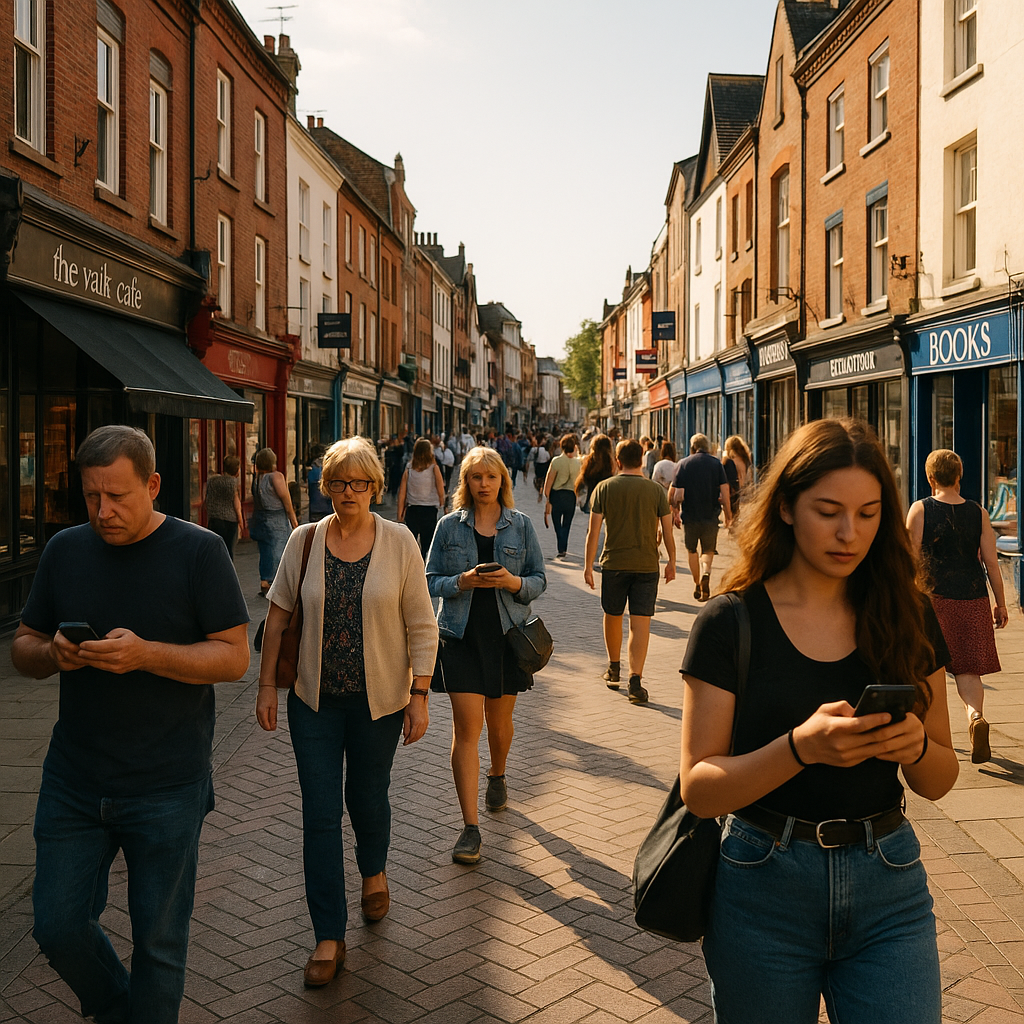
High streets across the UK are changing fast, and so are our wallets. Paper stamp cards and bulging purses full of plastic are quietly disappearing as digital loyalty cards take their place. For shoppers, this shift means simpler rewards and less clutter. For local businesses, it can be the difference between fading away and building a loyal, returning customer base.

Why digital loyalty cards are taking over
The appeal is simple. Digital loyalty cards live on your phone, not in your pocket. They are harder to lose, easier to track, and can be updated in real time. Instead of waiting for a new batch of printed cards, a small shop can launch a new offer in minutes and let regulars know instantly.
There is also a deeper shift in how people shop. Contactless payments and mobile wallets have become the default, especially since the pandemic. Shoppers now expect the same smooth, tap-and-go experience from loyalty schemes that they get at the till. If earning points or rewards feels clunky, many will simply not bother.
How digital loyalty supports local independents
It is easy to assume that digital rewards only help big chains, but the opposite is increasingly true. Independent shops can use digital loyalty schemes to punch far above their weight. A café, bookshop or barber can set up a simple stamp-style reward, then link it to push notifications, birthday treats or exclusive local events.
Because everything is digital, these businesses can see which offers actually work. They can tweak rewards, times and messages based on real behaviour instead of guesswork. That kind of insight used to be available only to national brands with large marketing teams.
From single-store rewards to town-wide benefits
One of the most exciting trends is the move from single-store loyalty schemes to area-wide rewards. Instead of juggling separate apps for every shop, residents can use one platform across multiple local businesses. This encourages people to explore more of their town centre, rather than defaulting to the nearest retail park or online giant.
Some councils and business improvement districts are already experimenting with shared loyalty programmes that give points or perks for shopping in a whole cluster of independents. This turns loyalty into a community project, where every purchase helps keep the high street alive.
The role of super-apps and local discovery
Alongside pure loyalty tools, a new wave of local discovery platforms is emerging. These bring together offers, events, independent shops and digital rewards in one place. Instead of hunting through social media or scattered websites, shoppers can open a single app to see what is happening nearby.
In some towns, these platforms now include features such as digital stamp cards, click-and-collect, and real-time updates from local traders. A shopper might find a new bakery, earn a stamp for their purchase, and then discover a nearby florist running a limited-time offer, all in the same space. Services like the free uk shopping app model show how powerful this kind of joined-up experience can be for both residents and businesses.
Privacy, data and trust
Of course, digital rewards raise important questions about data. Shoppers are more aware than ever of how their information is used. For digital loyalty cards to succeed, platforms and businesses need to be transparent about what they collect, why they collect it, and how long they keep it.
The most trusted schemes keep data collection to the essentials, explain clearly what customers gain in return, and give people control over notifications. When handled well, this data can genuinely improve the local experience, surfacing more relevant offers and reducing irrelevant noise.
What shoppers should look for in digital loyalty schemes
If you are thinking about embracing digital rewards, it is worth being a little choosy. Look for schemes that work across multiple local businesses, rather than locking you into a single chain. Check how easy it is to join and leave, and whether you can see your rewards at a glance. Above all, pay attention to how often the rewards are updated and whether they feel genuinely useful, rather than just a marketing gimmick.

Digital loyalty cards FAQs
Do digital loyalty cards really help small local shops?
Yes. Digital loyalty cards let small independents offer rewards that feel as slick as those from big chains, without the cost of printing or complex systems. They can launch new offers quickly, see which promotions bring people back, and communicate directly with regular customers. This helps them build stronger relationships and stay visible in a crowded, increasingly digital marketplace.
Will I need a different app for every loyalty scheme?
Not necessarily. While some brands run their own dedicated apps, there is a growing trend towards shared local platforms that host multiple loyalty schemes in one place. These allow you to earn rewards across a range of nearby shops and services, so you do not have to juggle dozens of separate apps or physical cards.
Are digital loyalty cards safe for my personal data?
Most reputable providers take data protection seriously and design their systems to meet strict legal standards. You should always check the privacy policy, see what information is collected, and confirm that you can manage your preferences or opt out. If a scheme is clear about how it uses your data and gives you control over notifications, it is usually a good sign that it can be trusted.
Leave a Reply