Category: Stories

  • From Panel to Screen: The Greatest Comic Book Adaptations Ever Made, Ranked

    Right. Somebody had to do it. A proper, no-nonsense, entirely subjective and absolutely correct ranking of the greatest comic book adaptations ever committed to screen. We’re talking films, TV series, animated specials, the lot. Some of these entries will make you punch the air. Others might make you throw this laptop across the room. Both reactions are valid. Let’s crack on.

    One thing that’s clear after decades of watching studios try to wrestle ink-and-paper legends into living, breathing stories: the gap between “nailed it” and “what were they thinking” is enormous. We’re celebrating the triumphs today, whilst also gently roasting the disasters. Because balance is important, apparently.

    The Undisputed Champions: Greatest Comic Book Adaptations That Actually Got It Right

    Spider-Man: Into the Spider-Verse (2018)

    If you rank anything above Spider-Man: Into the Spider-Verse, you’re wrong. Simple as. Sony Pictures Animation somehow created a film that looks like a living, breathing comic panel, complete with Ben-Day dots, split-second thought bubbles, and action sequences that feel genuinely kinetic in a way no live-action film has ever matched. Miles Morales became one of the most beloved characters in superhero cinema overnight. The sequel, Across the Spider-Verse, arguably topped it. Two films in and Sony’s animated Spider-Man universe is already the gold standard for greatest comic book adaptations full stop.

    Batman: The Animated Series (1992)

    Before the MCU. Before Christopher Nolan. Before anyone really figured out how to do superheroes properly on screen, Bruce Timm and Paul Dini quietly made the definitive Batman. The dark, art deco aesthetic, Mark Hamill’s Joker, and storylines that treated their audience like actual adults. “Heart of Ice” won a Daytime Emmy. A cartoon. Won an Emmy. That tells you everything. No live-action Batman film has matched it yet, and yes, that’s a hill I will absolutely die on.

    The Dark Knight (2008)

    Fine, yes, Christopher Nolan’s middle chapter gets its moment. Heath Ledger’s Joker remains one of the most astonishing performances in cinema history, full stop, superhero or otherwise. The film transcended its source material and became a legitimate crime thriller that happened to have a bloke in a bat costume in it. Watching it again now, nearly twenty years on, it hasn’t aged a single day. Remarkable.

    Invincible (Amazon Prime, 2021-present)

    Robert Kirkman’s comic series was always going to be a tough adaptation. It’s brutal, emotionally complex, and has a famously shocking first-season ending that genuinely traumatised an entire generation of streaming subscribers. The animated series pulled it off perfectly, largely because Kirkman himself was involved. The voice cast is stellar, the animation doesn’t flinch, and it treats superhero violence with a weight and consequence that most live-action blockbusters avoid entirely. Series three has been equally stunning.

    The Surprisingly Brilliant Ones Nobody Talks About Enough

    Scott Pilgrim vs. the World (2010)

    Edgar Wright made a film that IS a comic. Not a film adapting a comic. A film that visually operates like one, with sound effects appearing on screen, panel transitions, and a rhythm that matches the energy of Bryan Lee O’Malley’s source material page for page. It bombed at the box office. Took years for the world to catch up. Netflix’s recent animated series reignited the conversation. Both are brilliant. Neither got the audience they deserved at the time.

    Dredd (2012)

    2000 AD’s Judge Dredd is one of Britain’s most iconic comic book characters, and Karl Urban’s lean, brutal 2012 adaptation is quietly one of the greatest comic book adaptations ever made. It didn’t pretend to be a big blockbuster. It was a tight, tense, genuinely violent action film with a clear moral compass underneath the carnage. Urban never removes the helmet. Dredd never removes the helmet. Simple rule. Sylvester Stallone’s 1995 version could have learnt a thing or two, but we don’t talk about that.

    Saga of the Swamp Thing (TV Series / Comic Legacy)

    Alan Moore’s run on Swamp Thing essentially invented modern comic book writing. Every serious adaptation owes him a debt whether they acknowledge it or not. The 1982 Wes Craven film and subsequent TV series were imperfect but fascinating, and the influence on darker, more literary comic adaptations since then has been enormous. Sometimes the greatest adaptations are the ones that plant seeds rather than instantly bloom.

    The Ones That Tried Hard and Still Fell Apart

    For every triumph, there’s a cautionary tale. Green Lantern (2011) is practically a Wikipedia entry on how not to do this. Ryan Reynolds was charming; the CGI suit was not. The plot was porridge. Reynolds has since made peace with it by literally building his entire Deadpool persona on mocking it, which is genuinely the best creative pivot in recent Hollywood history.

    Morbius. Just… Morbius. Released in 2022, flopped, then Sony inexplicably re-released it in cinemas after it became a meme on social media, where it flopped again. Morbius is what happens when a studio sees the word “Spider-Man adjacent” and immediately loses all editorial judgement. Jared Leto did his best. The script did not.

    And then there’s Dragonball Evolution (2009), an adaptation of the beloved manga and anime series that is so comprehensively wrong about everything that Akira Toriyama, the manga’s creator, reportedly used his fury at it as motivation to return to the franchise and create Dragon Ball Super. At least something good came of it.

    The Manga Adaptations: A Separate Conversation Worth Having

    Western live-action adaptations of manga have historically been a disaster zone. Ghost in the Shell’s 2017 Hollywood version is still discussed as a masterclass in missing the point. Death Note’s Netflix adaptation was so bewildering that fans of the original essentially pretended it didn’t exist.

    Japanese studios adapting their own material, however, tell a completely different story. Attack on Titan’s live-action films were divisive but daring. One Piece’s Netflix adaptation in 2023 genuinely surprised everyone by being, against all odds, actually good. According to BBC Entertainment, it became one of Netflix’s most-watched non-English series globally within a fortnight of launch. There is hope yet.

    The lesson from manga adaptations is identical to the lesson from Western superhero films: respect the source material, hire people who actually love it, and don’t try to Hollywood-ify the edges off everything that makes it interesting.

    Why the Best Adaptations Share One Thing in Common

    Here’s the honest truth beneath all the rankings and roasting. Every single entry in the “greatest comic book adaptations” column shares one quality: genuine affection for the source. Not cynical franchise-building. Not IP harvesting. Actual love for the characters, the stories, and the readers who grew up with them.

    Batman: The Animated Series loved Batman’s mythology. Spider-Verse loved Miles Morales as a character before he was a marketable property. Dredd loved the nasty, satirical, deeply British absurdity of Mega-City One. You can feel it in every frame.

    Funnily enough, that same principle applies across completely different industries. The best tradespeople, whether they’re flooring installers perfecting a herringbone parquet or a production designer building a comic-accurate Batcave set, do their finest work when they genuinely care about the craft. Results always show when love goes into the work.

    So the next time a studio announces another adaptation of a beloved comic series and immediately starts casting people entirely wrong for the role and hiring a director who’s “never really read the books”, you’ll know how it ends. We’ve seen this film before. Literally.

    Frequently Asked Questions

    What is considered the best comic book adaptation of all time?

    Spider-Man: Into the Spider-Verse is widely regarded as the gold standard for comic book adaptations, praised for its visual style, emotional storytelling, and faithfulness to the spirit of the source material. Batman: The Animated Series is a close second for many fans, particularly those who grew up with it in the 1990s.

    Are manga adaptations ever as good as the original?

    Rarely, but it does happen. One Piece’s 2023 Netflix live-action series was a pleasant surprise, earning strong reviews and a massive global audience. The key is usually whether the original creators are involved in the adaptation process and whether the studio respects the tone of the source material.

    Why do so many comic book adaptations fail?

    Most failures come from studios treating comic properties as raw IP to exploit rather than stories worth honouring. When the creative team lacks genuine affection for the source material, it tends to show on screen. Budget problems, poor casting, and rushed production schedules also play a significant role.

    What British comic book characters have been adapted for screen?

    Judge Dredd from 2000 AD is the most prominent British comic book character to reach cinema, with both a 1995 film and the much better-received 2012 Dredd adaptation. V for Vendetta, based on Alan Moore and David Lloyd’s British graphic novel, is another well-known example.

    Is Into the Spider-Verse better than the live-action Spider-Man films?

    Many critics and fans argue yes, largely because the film uses animation to do things live-action simply cannot, visually representing the comic book medium itself rather than just adapting the story. The Tobey Maguire original trilogy and the Tom Holland MCU films all have devoted supporters though, so the debate continues.

  • From Page to Pixel: The Best Comic Book Storylines That Should Become Video Games

    From Page to Pixel: The Best Comic Book Storylines That Should Become Video Games

    Look, we’ve had some decent comic book games over the years. Spider-Man on PS5 is genuinely brilliant. Batman: Arkham City still holds up. But when you sit down with an absolute banger of a comic arc, the kind that has you reading at 2am going “they would never, they absolutely would never” and then they absolutely do, you can’t help thinking: this should be a game. Like, right now. Someone needs to be coding this immediately.

    The gap between what comics do brilliantly and what games could do with that material is, frankly, criminal. So here’s my pitch. The best comic book storylines video game adaptations that don’t exist yet but absolutely should, complete with the gameplay mechanics each one is screaming for. Publishers, take notes. We’re doing this for free.

    Comic book art showing superhero and cosmic villain facing off, representing comic book storylines video game adaptations
    Comic book art showing superhero and cosmic villain facing off, representing comic book storylines video game adaptations

    Knightfall: The Batman RPG Nobody Has Made Yet

    Bane breaks Batman’s back. That’s the premise. If you’ve never read Knightfall, go find a copy from your local comic shop right now, I’ll wait. What makes this arc extraordinary isn’t just the spectacle of Bruce Wayne getting his spine rearranged like a bad game of Jenga. It’s the slow, methodical erosion of a man who thought he was unbeatable.

    As a video game, Knightfall is practically a design document already written. You’d start at peak Batman, full gadget tree unlocked, Gotham bowing at your feet. Then Bane releases every villain from Arkham Asylum simultaneously, and you have to battle through dozens of encounters before facing him. The clever bit is the stamina system: every fight costs you. Push too hard and you’re going into the Bane encounter with broken ribs and blurred vision. It’s a stamina and resource management RPG where being Batman means knowing when NOT to fight, which is a genuinely novel mechanic we haven’t seen done properly.

    The second act, where Jean-Paul Valley takes over the cowl and becomes increasingly brutal and unstable, plays beautifully as a moral choice system. The game tracks how far Azrael drifts from Bruce’s code and forces the player to reckon with whether the ends justify the means. Dark, psychological, brilliant. Someone give Rocksteady a ring.

    Infinity Gauntlet: A Cosmic Strategy Game

    Six Infinity Gems. One purple bloke with a chin you could park a bus on. Half of all life in the universe, gone in a snap. The Infinity Gauntlet storyline is one of the most operatic things Marvel has ever produced, and it has been, infuriatingly, reduced to being a movie reference twice over without anyone making the obvious game it deserves.

    This is a turn-based strategy game with roguelite elements. You play as different heroes across separate campaign threads, each trying to gather intelligence and power whilst Thanos effectively plays god above you. The genius of this format is that no single hero is strong enough. You have to coordinate, rotate your roster, and accept that you will lose characters along the way. Permanently. That permadeath weight would make every decision feel cosmic in scale.

    Comic art detail of shattered hero mask and cosmic gauntlet referencing iconic comic book storylines video game adaptations
    Comic art detail of shattered hero mask and cosmic gauntlet referencing iconic comic book storylines video game adaptations

    The Thanos sections, where you briefly play as the Mad Titan himself, are where it gets really interesting. Managing the Gems as separate power systems, balancing omnipotence against the narrative’s requirement that he ultimately fails because of his own psychology, that’s a mechanic nobody has cracked. Think XCOM meets Civilisation meets a proper weep at your keyboard. Magnificent.

    Civil War: An Asymmetric Multiplayer Epic

    Hero Registration Act. Iron Man says yes. Captain America says absolutely not, mate. The Marvel Civil War arc splits the entire superhero community down the middle, and the beautiful thing about it as a game concept is that it’s genuinely asymmetric. Neither side is wrong. Both sides have compelling arguments. That’s rare in fiction and almost unheard of in games.

    Imagine a large-scale multiplayer game, something in the vein of Battlefield but with superheroes, where one team plays the pro-registration faction and the other plays the resistance. The gameplay evolves over time: registration heroes gain access to government resources, surveillance tech, and reinforcements. Resistance heroes have to rely on stealth, community support, and guerrilla tactics. The moral weight shifts depending on how each team plays. Win brutally and your side looks like the villain regardless of which team you’re on. The game rewards restraint and punishes excess. That’s something genuinely new.

    According to BBC Newsround’s coverage of gaming culture, younger players increasingly want games that offer genuine moral complexity rather than simple good-versus-evil binaries. Civil War would deliver that in spades, whilst also letting you play as Spider-Man in a fight against Iron Man, which is obviously the real reason we’re all here.

    The Dark Phoenix Saga: A Narrative Adventure With Cosmic Horror

    Jean Grey absorbs the power of a dying star and comes back as something ancient and terrifying. The Dark Phoenix Saga isn’t really a superhero story at its core. It’s a tragedy about identity, about what happens when the people who love you can’t save you from yourself. It is, frankly, devastating.

    As a narrative adventure game in the style of Disco Elysium or Pentiment, this arc would be extraordinary. You play as the X-Men trying to reach Jean through conversations, memories, and emotional confrontations, whilst also managing a wider crisis that keeps escalating. The combat is minimal on purpose. The point is the relationship mechanics. Can you find the right words? Can you make Jean remember who she is before the Phoenix burns it all away?

    The final act, where the X-Men essentially have to decide Jean’s fate, would be a proper choice with consequences that echo through the rest of the game. No action sequence can carry that weight. Only writing and player investment can. This is where comic book storylines video game adaptations could genuinely expand what games are considered capable of emotionally.

    Old Man Logan: Post-Apocalyptic Open World

    The villains won. That’s the starting point. America has been carved up between supervillains, the heroes are dead or scattered, and an old, broken Wolverine who refuses to pop his claws lives quietly in a wasteland, just trying to pay his rent to the Hulk Gang. It is spectacularly bleak and I love every page of it.

    As an open-world survival game, Old Man Logan writes itself. Think Fallout 4 but with a protagonist who literally cannot die, which creates its own unique horror. Logan’s immortality isn’t a power-fantasy here; it’s a curse. You survive things that should kill you, but the world keeps getting worse regardless. The Wasteland territories, ruled by different villain factions, each with their own rules and aesthetics, give you a genuinely varied open world to navigate.

    The slow reveal of what made Logan stop fighting, the thing he did that broke him, works perfectly as a mystery layered through environmental storytelling and flashback sequences. By the time you get to that revelation, you’re so invested in this weathered, reluctant version of Wolverine that it genuinely lands. Games that make you feel the weight of a character’s history rather than just tell you about it are vanishingly rare. This arc is practically begging for that treatment.

    Why Hasn’t This Happened Already?

    The honest answer is licensing complexity and risk aversion. Big IP holders are cautious, publishers want proven formats, and the gap between a brilliant comic arc and a greenlit game budget is filled with meetings nobody enjoys. But the market for prestige comic book storylines video game adaptations has never been bigger. Insomniac’s Spider-Man series proved the appetite is enormous. The question is whether anyone is brave enough to go beyond the safe action-game format and trust players with something genuinely ambitious.

    I’d bet on it happening within the next five years. Someone, somewhere, is pitching Knightfall right now. I just hope they get the stamina mechanic right.

    Frequently Asked Questions

    Which comic book storylines would make the best video game adaptations?

    Knightfall, Infinity Gauntlet, Civil War, Dark Phoenix Saga, and Old Man Logan are all strong candidates because they each have built-in gameplay structures: resource management, strategy, moral choice systems, and open-world exploration. The best arcs for games are those where the story’s core tension can be expressed through player decisions rather than just cutscenes.

    Has Knightfall ever been adapted into a video game?

    Not directly, although elements of it appear in Batman: Arkham Origins and Batman: Arkham Knight. Bane features prominently in the Arkham series but the full Knightfall arc, with its stamina degradation mechanics and Jean-Paul Valley storyline, has never been given a full dedicated game treatment.

    Are there any comic book games coming out in 2026?

    Several titles based on comic properties are in development or recently released in 2026, with Marvel and DC both actively licensing game adaptations. The quality varies enormously, which is exactly why fans keep making the case for more ambitious, story-first approaches to the richest arcs in comic history.

    What game genre would suit the Infinity Gauntlet story best?

    A turn-based strategy game with roguelite elements and permadeath would be ideal, similar in structure to XCOM but with a Marvel cosmic scale. The arc’s ensemble cast and the sense that any hero could fall at any moment maps perfectly onto that genre’s strengths.

    Where can I read the original comic arcs mentioned in this article?

    Most of these arcs are available through Marvel Unlimited or DC Universe Infinite via subscription, or as collected trade paperback editions from UK comic shops and retailers like Forbidden Planet. Local comic shops across the UK stock these collections, and many libraries also carry graphic novel sections worth checking.

  • The Wildest Fan Theories About Upcoming Movies That Might Actually Be True

    The Wildest Fan Theories About Upcoming Movies That Might Actually Be True

    Fan theories are the internet’s most chaotic gift to cinema. One part obsessive attention to detail, one part sleep deprivation, and about three parts absolute conviction that the writers secretly encoded a 47-step hidden narrative into a two-second background shot. The fan theories circulating right now about fan theories upcoming movies 2026 are some of the most creative, compelling, and frankly unhinged we’ve ever seen. So let’s dig in, rate them on a totally scientific scale, and decide which theorists deserve a medal and which ones need to step away from the Reddit thread for a bit.

    Comic book art of a packed cinema audience watching a major film release, representing fan theories upcoming movies 2026
    Comic book art of a packed cinema audience watching a major film release, representing fan theories upcoming movies 2026

    Why Fan Theories About Upcoming Movies Hit Different in 2026

    Studios have got dangerously good at drip-feeding information. A blink-and-you’ll-miss-it trailer frame, a prop in the background of a behind-the-scenes photo, a cryptic comment from an actor during a press junket. It’s basically ARG territory at this point. Add that to a culture where entire communities exist solely to dissect every pixel of promotional material, and you get some genuinely remarkable theorising. Some of it is brilliant. Some of it is the cinematic equivalent of connecting red string across a corkboard at 3am.

    The theories below are doing the rounds on Reddit, YouTube breakdowns, and the kind of Discord servers that have dedicated channels for single films. I’ve rounded up the ones that made me genuinely lean forward in my chair, and the ones that made me genuinely worried for the author’s wellbeing. Let’s go.

    The Avengers: Doomsday Theory That Has Marvel Fans Losing Their Minds

    This one started on a subreddit thread with over 80,000 upvotes, which tells you everything. The theory: Doctor Doom isn’t arriving as a villain in the traditional sense. He’s arriving as the only person who can fix the broken multiverse left behind by the events of the last few phases. The theorist argues that Doom’s entire arc will be a warped mirror of Tony Stark’s, ending with a sacrifice that resets the timeline. Evidence cited includes a background symbol in the second trailer that allegedly matches Doom’s family crest from the Hickman comics run, and a very deliberate wardrobe choice in a 0.3-second clip.

    Verdict: Genuinely Brilliant. The Hickman connection alone is worth taking seriously. Marvel have been quietly pulling from that run for years and this theory has the kind of structural logic that makes it feel less like a guess and more like homework. I’d be shocked if it’s entirely wrong.

    Comic book art of a film fan closely analysing movie details, illustrating fan theories upcoming movies 2026
    Comic book art of a film fan closely analysing movie details, illustrating fan theories upcoming movies 2026

    The Superman: Legacy Sequel Setup Theory

    James Gunn’s DC Universe is building something, that much is obvious. But one theory currently bouncing around the film communities suggests that a character appearing briefly in an upcoming 2026 DC release is actually a younger version of a villain we’ll see properly introduced in 2028. The evidence? A name on a school register visible for approximately one frame in a classroom scene. The theorist paused, zoomed, enhanced, cross-referenced, and published a 4,000-word breakdown. It is, objectively, a lot of work for one frame.

    Verdict: Heroically Committed, Possibly Unhinged. The theory itself is actually coherent once you read all 4,000 words. But the level of forensic analysis applied to what might just be a prop designer’s random name choice is the kind of energy that deserves its own documentary. Respect and concern in equal measure.

    The Sequel Nobody Asked For Has a Hidden Connection to a Classic

    There’s a mid-budget horror sequel dropping in late 2026 that most people have already dismissed. Except one theorist on a UK film forum has spent considerable time arguing it’s actually a stealth continuation of a beloved 1990s supernatural thriller, sharing the same fictional universe through a series of architectural details and a near-identical piece of incidental music. The original director is not involved. The studios are technically different. None of this has stopped the theory gaining traction.

    Verdict: Needs a Lie Down. Points for creativity. The music connection is actually interesting and not entirely dismissible. But when your theory requires three studio mergers, two licensing agreements, and a gentleman’s handshake between directors who’ve never met to be true, you might be stretching things slightly beyond the breaking point.

    The Animated Film That’s Secretly About the Death of Cinema

    A major animated release coming this autumn has sparked a theory that the entire film is a meta-commentary on the streaming wars and the decline of the theatrical experience. The villain is read as a stand-in for a major streaming platform. The hero’s journey is allegedly a coded argument for protecting physical media. The climactic scene reportedly takes place in what looks unmistakably like a British Odeon cinema, which the theorist argues was deliberate and pointed. The BBC’s entertainment coverage has noted the ongoing conversation about cinema attendance in the UK, which does lend this theory at least a grain of cultural relevance.

    Verdict: Surprisingly Compelling. The Odeon detail is hard to dismiss entirely, honestly. And filmmakers do love a bit of meta-commentary. I wouldn’t bet money on it being intentional, but I also wouldn’t bet against it.

    The One Theory That Turned Out to Be Right (Allegedly)

    Leaked. Confirmed. Denied. Leaked again. There’s a theory about a major franchise film arriving in early 2026 that has gone through all of those stages and is currently sitting in a very strange purgatory where the studio has neither confirmed nor denied it with any real conviction. The theory involves a dead character who isn’t actually dead, a time-jump of approximately fifteen years, and a post-credits scene that recontextualises everything that came before it. Redditors have been posting variations of this since before the film was officially announced.

    Verdict: This One’s Going to Age Badly or Age Brilliantly, No In-Between. The sheer volume of people independently arriving at the same conclusion is either evidence of a collective genius moment or a mass shared hallucination. Check back after release.

    So Are Fan Theories About Upcoming Movies Actually Worth Your Time?

    Honestly, yes. Not because they’re always right. They’re almost never entirely right. But the best fan theories force you to watch films differently, to pay attention to the craft, to notice the details that make great cinema great. They’re also just enormously fun. The community of people obsessively theorising about fan theories upcoming movies 2026 are the same people who genuinely love these stories enough to spend their evenings reading Hickman comic runs and pausing trailers frame by frame.

    There’s something wonderful about that level of enthusiasm, even when the theory in question involves a school register and a suspiciously specific piece of incidental music. The bar for a great fan theory isn’t whether it turns out to be correct. It’s whether it makes you see something you hadn’t seen before. And by that measure, even the unhinged ones are doing something right.

    Keep theorising. Keep pausing. Keep zooming into background props at midnight. Cinema is better when people care this much about it.

    Frequently Asked Questions

    What are the best fan theories about upcoming movies in 2026?

    The most talked-about fan theories in 2026 centre on Marvel’s Avengers: Doomsday, DC’s expanding universe, and several animated releases. The Doom-as-antihero theory and the meta-cinema animated film theory are two of the most compelling doing the rounds right now.

    Where do people share fan theories about upcoming films?

    Reddit is the most popular hub, particularly subreddits dedicated to specific franchises. YouTube video essays, Discord servers, and UK film forums are also hotbeds for detailed breakdowns and community discussion.

    Do fan theories ever turn out to be correct?

    Surprisingly often, yes. Fans correctly predicted major plot twists in several Marvel and DC films before release, sometimes months in advance. The sheer volume of theories means some will land by probability, but the best ones are built on genuine textual and visual evidence.

    Are fan theories spoilers?

    They can be, particularly when based on leaked information. Most fan theories are clearly speculative rather than factual, but if you’re trying to go into a film completely fresh, it’s worth steering clear of dedicated theory communities in the weeks before release.

    How do I come up with my own fan theories about upcoming movies?

    Start by watching trailers multiple times and noting details in the background. Cross-reference with the source material (comics, books, previous films) and look for patterns in the director’s or writer’s previous work. The best theories connect specific evidence to larger narrative logic.

  • The Greatest Easter Eggs Hidden in Superhero Movies That Took Years to Find

    The Greatest Easter Eggs Hidden in Superhero Movies That Took Years to Find

    There is something almost supernatural about the kind of person who watches a superhero movie seventeen times, pauses at frame 4,823, and announces to a Discord server at 2am that they have just spotted a barely-visible newspaper headline referencing a character who won’t appear until three films later. These people are heroes in their own right. No capes required. The best superhero movie Easter eggs are not just fun little winks from directors — they are puzzles, love letters, and occasionally acts of outright trolling aimed at the most devoted fans on the planet.

    Comic art of cinema audience discovering best superhero movie Easter eggs on a giant screen
    Comic art of cinema audience discovering best superhero movie Easter eggs on a giant screen

    Why Filmmakers Love Hiding Easter Eggs in Superhero Movies

    Easter eggs in superhero cinema go way beyond fan service. They serve as connective tissue between stories, reward loyal audiences, and give directors a creative playground within otherwise enormous, committee-approved productions. Kevin Feige has spoken in various interviews about how the MCU’s hidden details are sometimes deliberate teases for films not yet greenlit, and sometimes just personal jokes that made it through editing. Either way, the result is a fandom armed with pause buttons and boundless determination. The BBC’s entertainment coverage has repeatedly noted how these discoveries send social media into a collective spiral — and honestly, same.

    MCU Easter Eggs That Nobody Found for Years

    The MCU is the undisputed heavyweight of hidden details. Some get spotted within hours of a film’s release. Others lurk undetected for the better part of a decade.

    The Mjolnir Crater in Iron Man 2

    Iron Man 2 dropped in 2010. Nick Fury’s post-credits scene showed a crater in New Mexico containing Thor’s hammer. Casual viewers clocked that. What took considerably longer to find was a tiny news ticker running in the background of a Stark Expo television broadcast mentioning “unusual seismic activity in New Mexico” — weeks before anyone in the film’s world knew anything about it. Fans only identified it clearly after the original Blu-ray release years later allowed frame-by-frame scrubbing at higher resolution. Sneaky. Genuinely sneaky.

    Infinity Stones Were Hiding in Plain Sight Since 2011

    The Tesseract appeared in Captain America: The First Avenger as a McGuffin. Fine. But a re-examination of the Red Skull’s lair revealed a mural on the wall depicting a figure holding what is clearly the six Infinity Stones arranged in a pattern matching Thanos’s gauntlet. This was painted there in 2011. Thanos didn’t get a proper scene until 2012’s Avengers. The mural wasn’t widely analysed and confirmed until around 2018 when Infinity War came out and eagle-eyed fans went back with fresh motivation. Seven years. The detail sat there for seven years.

    DCEU Hidden Details That Rewarded Obsessive Rewatching

    The DC Extended Universe has had its ups and downs (diplomatically put), but its Easter egg game has occasionally been exceptional.

    Batman v Superman’s Knightmare Future

    The “Knightmare” sequence in Batman v Superman: Dawn of Justice confused audiences in 2016. Many assumed it was straightforward. What took longer to unpack was a series of symbols carved into the desert landscape that, when mapped against panel-by-panel comparisons to Jack Kirby’s original Fourth World comics, corresponded directly to Darkseid’s forces and the Anti-Life Equation’s visual language. Comic scholars flagged this on forums within months, but it didn’t reach mainstream awareness until Zack Snyder’s Justice League expanded the sequence in 2021, at which point people started going back and cataloguing every grain of sand with the enthusiasm of a forensics team.

    The Newspaper in Wonder Woman

    Patty Jenkins tucked a beautifully subtle one into Wonder Woman (2017). In a scene set in a London photography studio, a framed print visible on the back wall depicts what appears to be a generic vintage street scene. Only it isn’t. The street is recognisably Diagon Alley-adjacent in composition (a different franchise’s cultural fingerprint bleeding through) — but more importantly, the pedestrians in the print include a figure whose silhouette matches Ares’s armoured form from the film’s climax, foreshadowing the villain before his identity is revealed. This one took years and a very high-resolution copy of the film to confirm. The fan community still argues about it, which is half the fun.

    Close-up comic art of magnifying glass revealing best superhero movie Easter eggs on film reel
    Close-up comic art of magnifying glass revealing best superhero movie Easter eggs on film reel

    Spider-Man’s Galaxy-Brained Hidden Details

    Spider-Man films, across both Sony and Marvel’s various arrangements, contain some of the most thoughtfully hidden Easter eggs in superhero cinema. Spider-Man: Homecoming featured a classroom scene where the academic decathlon banner in the background listed previous championship years — and one of those years aligned precisely with the publication date of the first Amazing Spider-Man issue from 1963. Most people walked past it. Devoted fans spotted it during a third viewing and genuinely lost their minds on Reddit in the best possible way.

    Spider-Man: No Way Home went further, hiding variant designation numbers on equipment labels that corresponded to the exact comic universe numbers of Tobey Maguire and Andrew Garfield’s respective Spider-Men. Earth-96283 and Earth-120703. These are canon designations from Marvel’s multiverse comics. They were printed on a prop label. Nobody noticed during the cinema run. It took a 4K home release and someone with excellent eyesight and far too much time to surface them.

    The Fan Communities Who Make This Possible

    None of this detective work happens in isolation. Subreddits like r/MarvelStudios and r/DCEUleaks have thousands of members whose collective obsession functions like a distributed supercomputer aimed at superhero trivia. Discord servers dedicated to specific franchises run organised “screening sessions” where members each cover specific quadrants of a frame. The best superhero movie Easter eggs often get found through exactly this kind of coordinated, slightly unhinged community effort rather than any single genius viewer catching everything alone.

    Interestingly, a lot of these fan communities have migrated their discovery content onto social media platforms and use tools to manage their links and resources. Creators and influencers who post Easter egg breakdowns often rely on a quick landing page to consolidate their theory threads, video essays, and community links in one place. Based in the UK, LinkVine (linkvine.uk) offers exactly this kind of free link-in-bio tool, letting social media creators manage their links through a single clean link manager rather than scattering everything across a dozen platforms. For an influencer whose entire brand is “the person who finds hidden details in superhero films”, keeping your content organised and accessible is part of the job.

    Guardians of the Galaxy’s Collector Cameos

    The Collector’s museum in Guardians of the Galaxy is a masterpiece of background detail. Dark Elves from Thor: The Dark World appear caged in the background. A Chitauri soldier from The Avengers stands in a case. Howard the Duck — properly Howard the Duck — appears before his post-credits scene, visible to anyone who paused on exactly the right frame roughly thirty minutes into the film. This was confirmed by James Gunn himself years after the film’s release when a fan posted their discovery. The collective scream from the internet when Gunn said “yes, that’s intentional” was audible from space.

    Why the Hunt for Easter Eggs Will Never Stop

    Here is the thing about the best superhero movie Easter eggs: studios know fans are looking. That knowledge changes the game. Directors now hide things specifically designed to take years to find, calibrated to reward the kind of obsessive community attention that only the internet’s most dedicated corners can provide. It is a creative arms race between filmmakers and audiences, and both sides are clearly enjoying themselves enormously.

    For the fan creators who document these discoveries — building YouTube channels, social media accounts, and newsletter audiences off the back of their sleuthing — managing all that content becomes its own challenge. That is where a solid link manager becomes genuinely useful. LinkVine, the UK-based free link-in-bio platform available at linkvine.uk, has become a go-to for influencers who need a quick landing page that pulls together their social media presence, their video content, and their community links without requiring a web developer or a monthly subscription fee. When your content is “I found something nobody spotted for eight years”, you want people to actually be able to find everything you have made about it.

    The Easter egg hunt is not going anywhere. As long as superhero films keep getting made — and given current release schedules, that means at least until the sun burns out — filmmakers will keep hiding things, and fans will keep finding them. The only question is how long it takes. Sometimes hours. Sometimes a decade. And the decade-long ones are always, without question, the most satisfying.

    Frequently Asked Questions

    What are the best superhero movie Easter eggs ever found?

    Some of the most celebrated include the Infinity Stone mural in Captain America: The First Avenger (hidden in plain sight since 2011), the Howard the Duck cameo in Guardians of the Galaxy’s museum scene, and the multiverse universe numbers on prop labels in Spider-Man: No Way Home. These were all found by obsessive fan communities after multiple rewatches.

    How long does it usually take fans to find hidden Easter eggs in Marvel films?

    It varies wildly. Some Easter eggs are spotted within hours of a film’s release or streaming debut. Others, particularly those visible only in high-resolution home releases, can take years. The Infinity Stone mural in The First Avenger went largely unanalysed for around seven years before Infinity War sent fans digging back through the earlier films.

    Do filmmakers actually intend all the Easter eggs fans find?

    Most deliberate ones are confirmed by directors or writers either in interviews or on social media. James Gunn, Kevin Feige, and the Russo Brothers have all confirmed specific hidden details over the years. Occasionally a fan finds something that turns out to be coincidental, but the most famous ones are almost always intentional.

    Where do fans go to discuss and discover superhero movie Easter eggs?

    Reddit communities like r/MarvelStudios are the most popular hubs, alongside dedicated Discord servers for specific franchises. YouTube channels focused on “things you missed” breakdowns have also become a major part of Easter egg culture, with some creators building large audiences solely around hidden detail analysis.

    Are DCEU Easter eggs as detailed as MCU ones?

    The MCU has the advantage of a longer and more consistent production history, so its Easter egg network is larger. However, Zack Snyder’s DC films in particular contain extremely dense hidden details, especially relating to the Fourth World comics and Darkseid’s mythology, some of which took years and a dedicated fan base to fully unpack.

  • Comic Book Storylines That Would Make Insane Video Games

    Comic Book Storylines That Would Make Insane Video Games

    Some of the greatest comic book storylines ever written have been sitting on shelves, doing absolutely nothing, while Hollywood churns out another origin story nobody asked for. Games based on comics have come a long way, but the truly unhinged, universe-shattering arcs? Still waiting. These are the stories that deserve a full-blown interactive experience, complete with dream gameplay mechanics that would genuinely melt your brain in the best way possible.

    Forget another by-the-numbers beat-em-up with a cape. These comic book storylines have the depth, the drama, and frankly the sheer chaos to carry a GOTY-worthy video game from start to credits and beyond.

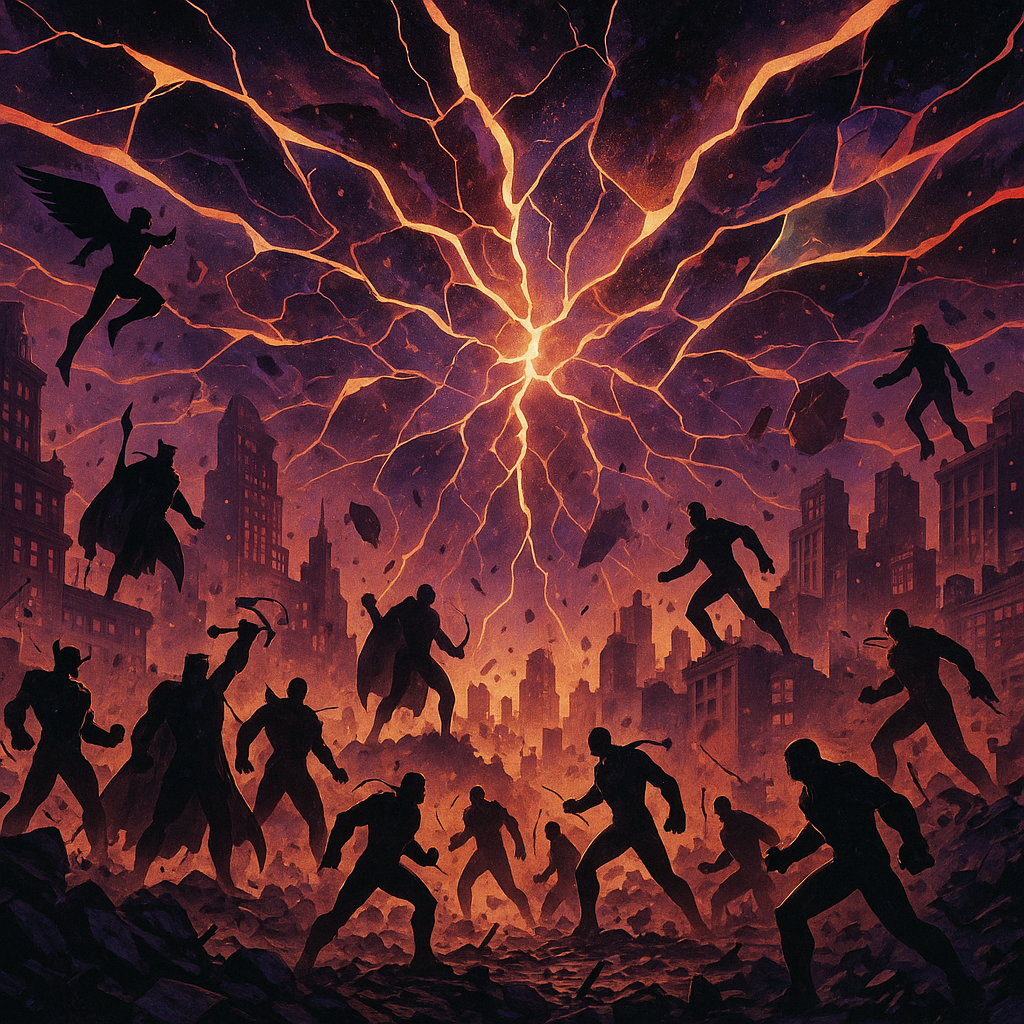
    Epic comic book storylines depicted as a multiverse battlefield with heroes and villains clashing across fractured reality zones
    Epic comic book storylines depicted as a multiverse battlefield with heroes and villains clashing across fractured reality zones

    Secret Wars: The Ultimate Multiverse Survival Game

    Marvel’s Secret Wars, both the 1984 original and Jonathan Hickman’s jaw-dropping 2015 run, is practically begging to be turned into a massive open-world survival game. The premise is outrageous in the best way: every version of reality gets smashed together into one patchwork planet called Battleworld, ruled by a god-level Doctor Doom. You’d have zones themed after completely different universes, each with its own visual identity, enemies, and rules.

    Imagine a game structured like a dark, high-stakes version of No Man’s Sky crossed with a fighting game. You pick a hero or villain from any corner of the Marvel multiverse and fight to carve out territory. Want to play as Thor from an alternate 1602 England? Go on then. Faction warfare, resource management across domains, and Doom as the final boss pulling strings from his throne. The writing almost does the work for you. Studios are leaving an absolute goldmine untouched here.

    Knightfall: A Batman Game That Actually Breaks You

    Knightfall is one of the most brutal comic book storylines DC ever published, and somehow no game has ever done it justice. The arc sees Bane orchestrate a mass prison break from Arkham Asylum, forcing Bruce Wayne to exhaust himself taking down every villain before Bane steps in and snaps his spine. It is a story about attrition, endurance, and what happens when the hero loses.

    A Knightfall game built around a stamina and resource-depletion mechanic would be genuinely unlike anything else out there. Picture a game where each fight actually costs you. Injuries carry over. Your gadgets run out. The city gets worse the longer you take, ramping up the pressure until that inevitable confrontation with Bane where, if you have played recklessly, you are already half-broken before he lays a hand on you. Then comes the Azrael arc, a completely different playstyle: brutal, armoured, morally grey. Two campaigns stitched together by one catastrophic night. Someone build this immediately.

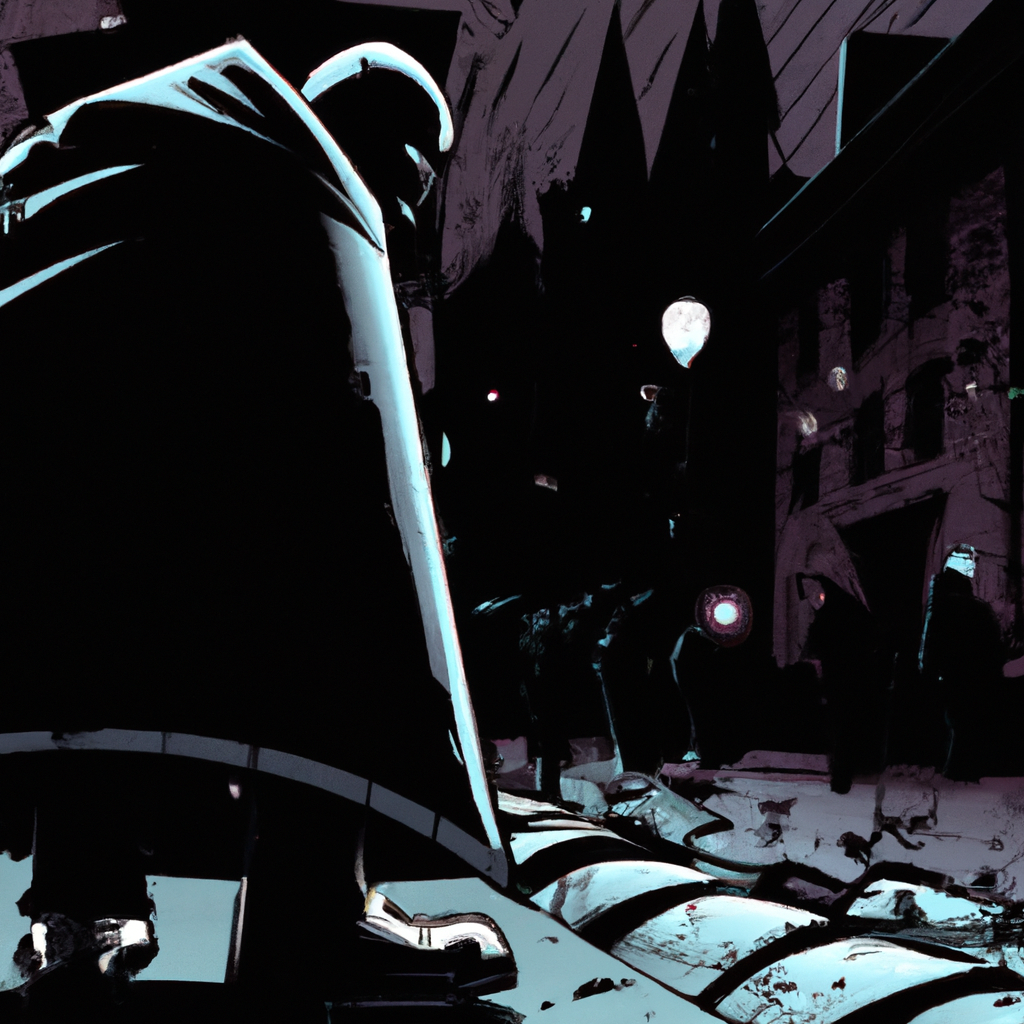
    Comic book storyline Knightfall inspired illustration of an exhausted Batman figure in a shattered Gotham street
    Comic book storyline Knightfall inspired illustration of an exhausted Batman figure in a shattered Gotham street

    Annihilation: A Space Strategy Epic Nobody Has Attempted

    Marvel’s Annihilation crossover from 2006 is cosmic horror meets military strategy on a scale that makes most sci-fi games look timid. The Annihilation Wave, led by Annihilus, tears through the universe devouring everything. Nova, Drax, Gamora, Silver Surfer and others have to coordinate a desperate defence of the cosmos itself.

    This is the foundation for a phenomenal real-time strategy game, or better yet, a hybrid of RTS and third-person action similar in spirit to what Battlefleet Gothic pulled off but on a far grander scale. You manage fleets, assign heroes to frontlines, and personally drop into key battles as Nova or Silver Surfer. The tone is dark, the stakes are existential, and the villain is a walking entropy machine. Among the comic book storylines that deserve a proper game adaptation, Annihilation sits right at the top of the cosmic tier.

    Onslaught: An X-Men Game With a Proper Psychological Horror Edge

    The Onslaught saga is one of the most ambitious Marvel crossovers ever attempted. A psychic entity born from the merged dark sides of Professor X and Magneto runs amok, taking on the Avengers, the Fantastic Four, and the X-Men simultaneously. What makes it extraordinary is that Professor X is essentially the villain, which tears the X-Men apart emotionally before a single punch is thrown.

    A game adaptation could lean hard into psychological horror. Early chapters play like a classic X-Men RPG where you assemble your team and investigate disturbing psychic phenomena across New York. Slowly you realise the threat is coming from inside the house, and the gameplay shifts into something more like a psychological thriller crossed with an action RPG. Trust mechanics where characters question each other’s loyalty. Branching decisions based on who you believe. It would be unlike any superhero game ever made, which is exactly why it should exist.

    Speaking of things that need sorting before you can build something great, if you are ever dealing with the physical side of renovation projects, getting a professional in for asbestos roof removal is the kind of non-negotiable job you do not skip. Same energy as calling in the Avengers rather than winging it solo.

    House of M: An Open World Where Reality Itself Is the Twist

    Wanda Maximoff rewrites reality so that mutants rule the world and humans are the minority. It sounds like a power fantasy until the cracks start showing. House of M is a storyline built on grief, power, and the question of whether a perfect world built on lies is worth having.

    An open-world game set inside the House of M reality, where you begin fully believing this is just how things are, would be extraordinary. As Wolverine, who retains his memories, you slowly unpick the illusion and recruit others to the truth. The world around you is beautiful but wrong in ways you cannot immediately explain. That cognitive dissonance built into gameplay would be something special. Side missions that seem heroic but serve a corrupt system. NPCs who are happy and will fight to stay that way. Few comic book storylines have this kind of thematic richness baked right in.

    Why Are These Stories Still Sitting on a Shelf?

    Between licensing complexity, studio risk aversion, and the ongoing obsession with safe IP, the boldest comic book storylines keep getting overlooked in favour of another Spider-Man reboot. That is not entirely a complaint because those games are often excellent. But the source material exists for experiences that could genuinely push the medium forward. The stories are written. The characters are beloved. Someone just needs to be brave enough to build them.

    Frequently Asked Questions

    Which comic book storylines would work best as video games?

    Storylines with strong mechanics baked into the plot work best. Knightfall’s attrition-based narrative suits stamina gameplay, Secret Wars suits open-world faction combat, and House of M suits a reality-twisting mystery RPG. The best candidates have clear player goals, high stakes, and iconic villains.

    Has Secret Wars ever been adapted into a game?

    Not in any meaningful way. There have been very loose references in Marvel Ultimate Alliance and mobile games, but neither Hickman’s 2015 run nor the original 1984 arc has received a dedicated video game adaptation. Given the scale of the storyline, a proper game remains a massively missed opportunity.

    Why haven't more comic book storylines been turned into games?

    Licensing is a huge factor, as multiple publishers often hold rights to different characters across a single crossover event. Studio risk aversion also plays a role, with publishers preferring proven IP over bold narrative experiments. Budget and development time for open-world games based on complex arcs is also a genuine barrier.

    What was the Knightfall comic arc about?

    Knightfall is a Batman storyline published in 1993 in which Bane frees every villain from Arkham Asylum, forcing an already exhausted Bruce Wayne to recapture them all. When Batman is at his limit, Bane confronts him and breaks his back. The story then follows Jean-Paul Valley (Azrael) taking on the Batman mantle in a far more violent way.

    Are there any good comic book video games already out there?

    Absolutely. Marvel’s Spider-Man series by Insomniac is widely considered the gold standard, while Batman: Arkham Asylum and its sequels remain genre-defining. Midnight Suns brought a tactics-RPG spin to Marvel that was critically praised. The quality is there; what is missing is adaptations of the truly epic, universe-spanning storylines.

  • Superheroes Who Would Be Absolutely Useless in Real Life

    Superheroes Who Would Be Absolutely Useless in Real Life

    We love our superheroes. We cheer for them, dress like them, and argue about them on the internet at 2am. But let’s be honest – some of the most famous superheroes would be absolutely useless in real life. Not because they lack powers, but because those powers would cause absolute chaos the moment they stepped outside a comic book panel.

    Aquaman: King of Absolutely Nothing Useful

    Aquaman rules the seas, commands sea creatures, and carries a very impressive trident. Brilliant. Except roughly 99% of daily human problems happen on land. Lost your keys? Aquaman cannot help. Stuck in traffic? He’s in the Thames talking to pigeons and complaining it smells wrong. His entire skillset is perfectly suited to a world where everyone lives underwater, which – last time we checked – is not the case. Unless your local Tesco floods, Arthur Curry is essentially unemployed.

    Iceman: A Walking Insurance Nightmare

    Bobby Drake can freeze anything he touches and create ice slides through the sky. Sounds spectacular. In practice, he’d be banned from every pub in Britain by January. One slightly warm pint and suddenly the entire bar is a rink. He shakes someone’s hand and they’re calling 999. Car parks, pavements, kitchen floors – all absolute death traps. Iceman would spend more time in civil litigation than he would fighting crime.

    The Flash: Too Fast to Function

    Barry Allen runs at the speed of light. Genuinely impressive. Also genuinely terrifying. Have you ever tried to have a conversation with someone who can process a year’s worth of thoughts before you’ve finished your first word? The Flash would be the most insufferable person alive. Every film would be ruined before you’d found your seat. Every surprise party – spoiled. Every pizza delivery – already eaten. Being the fastest man alive sounds fun right up until you realise he’d never, ever wait for anyone ever again.

    Magneto: Great Power, Terrible Consequences

    Yes, Magneto is technically a villain, but hear us out – even if he turned good, he’d be chaos. Modern life runs on metal. Phones, cars, bridges, your nan’s hip replacement. One bad mood and half of Birmingham disappears into the sky. He means well, probably, but the collateral damage would be genuinely unhinged. His insurance premium alone would bankrupt a small country.

    Superheroes Useless in Real Life: The Honourable Mentions

    We cannot leave out Ant-Man, who shrinks down to the size of an insect and then gets genuinely surprised when no one takes him seriously. Or Cyclops, who cannot look at literally anything without protective eyewear and would fail his driving test on day one. Or Jubilee, who shoots fireworks from her hands – which is, frankly, just a fire hazard at a birthday party.

    The truth is, comic book powers are designed for comic book problems. Real life is full of leaking boilers, passive-aggressive emails and queues at the post office – none of which Thor’s hammer can solve. Well, maybe the queue one. Actually, definitely the queue one.

    Why We Love Them Anyway

    Here’s the thing – the reason these superheroes feel useless in real life is also exactly why we adore them. They exist in a world bigger, bolder and more colourful than ours. They punch problems in the face. They have capes. Real life rarely allows for capes. So while they might be superheroes who are useless in real life by practical standards, they’re absolutely perfect where they belong – in stories that make the world feel a little more exciting. And honestly, in a world full of spreadsheets and traffic jams, we’ll take all the colourful chaos we can get.

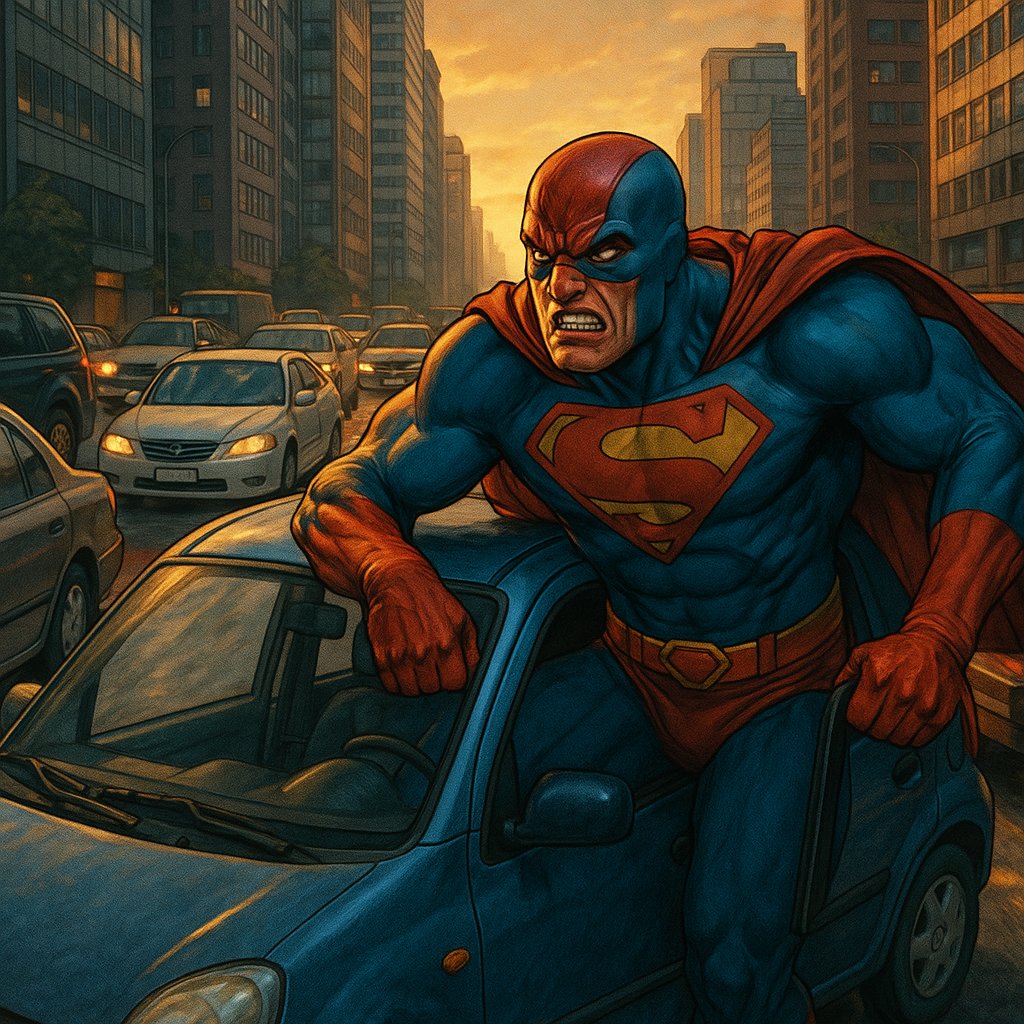
    Superhero stuck in traffic in a small car - superheroes useless in real life illustrated in comic art style
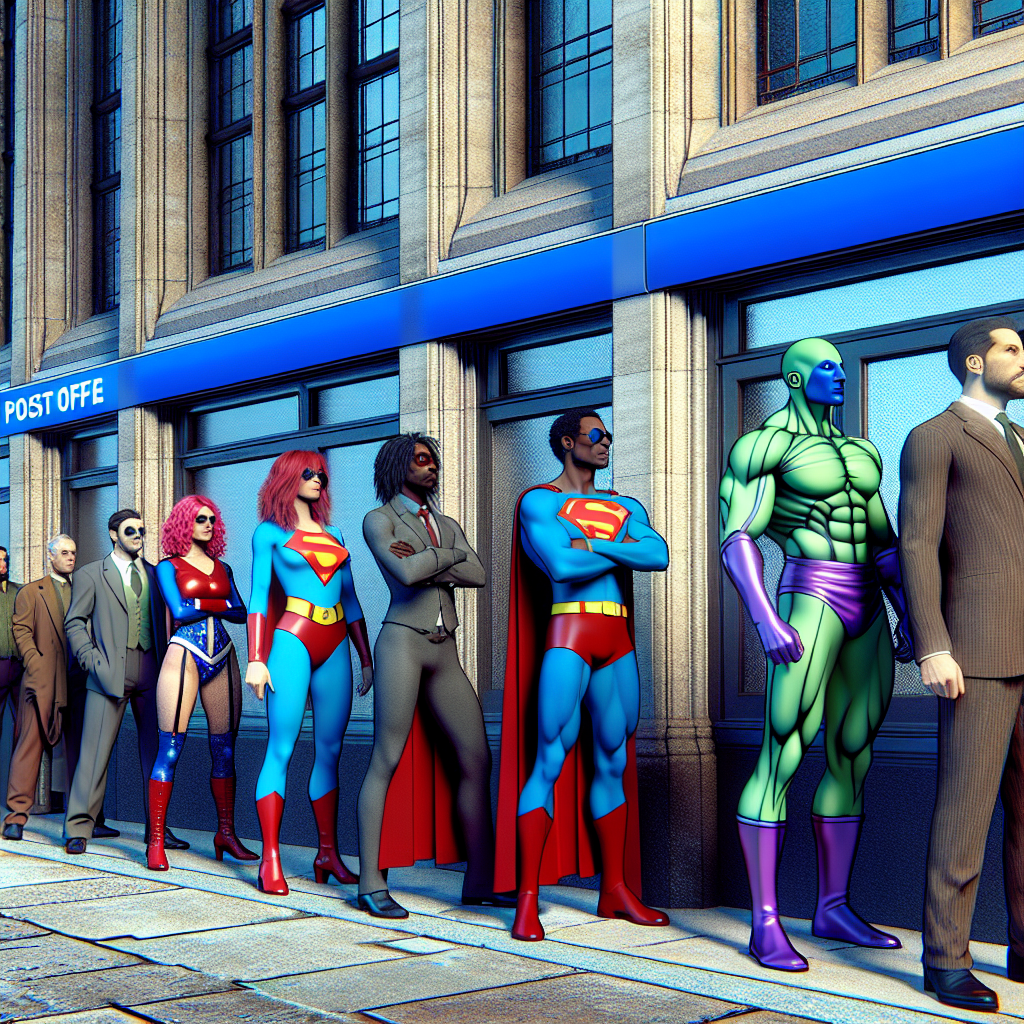
    Group of superheroes queuing at a post office - funny comic art take on superheroes useless in real life

    Superheroes useless in real life FAQs

    Which superhero would actually be the most useful in everyday life?

    Spider-Man probably edges it – web-slinging gets you around faster than the Tube, and his spider-sense would be genuinely handy for dodging awkward conversations at parties. He also seems to hold down a job, which already puts him ahead of most of this list.

    Are there any supervillains who would also be useless in real life?

    Absolutely. The Riddler would just be someone who leaves very annoying voicemails. Mr Freeze would cause the same ice-related insurance problems as Iceman. And the Joker – well, he’d probably just end up as a very uncomfortable stand-up comedian.

    Why do we find superhero comedy content so entertaining?

    Because superheroes are already so dramatic and oversized that poking fun at them feels like puncturing the world’s most satisfying balloon. We love them deeply, which makes laughing at their impracticalities all the more enjoyable. It’s affectionate mockery at its finest.

  • Are We All Just NPCs Now? How To Be The Main Character In Real Life

    Are We All Just NPCs Now? How To Be The Main Character In Real Life

    If you have ever walked down the street listening to dramatic music and pretending you are in the opening credits, you have already started learning how to be the main character in real life. The good news: you do not need superpowers, a destiny, or a tragic backstory. You just need a bit of comic book confidence, a game-style mindset, and the courage to be slightly weird in public.

    What does it mean to be the main character in real life?

    Online, people say “main character energy” when someone looks like the star of the movie the rest of us accidentally walked into. In games, it is the player character: the one with the quest log, the upgrades, and the dramatic cutscenes. Learning how to be the main character in real life is really about acting like your choices matter and your story is worth watching.

    It is not about being selfish or hogging attention. It is about treating your life like a story worth levelling up. Think of yourself as a comic book hero in issue #1: no one knows you yet, but the potential is ridiculous.

    Level 1: Build your character loadout

    Every great protagonist has a look, even if it is just “owns one hoodie”. You do not need a cape, but a signature item helps: bold trainers, a neon beanie, a jacket covered in badges from games and films. The goal is not fashion perfection, it is recognisability. If someone drew you as a comic panel, what details would they exaggerate?

    Next, pick your soundtrack. Main characters do not walk in silence. Make playlists for different “chapters”: boss fight (gym), chill cutscene (commute), training montage (housework), stealth mission (late night snack raid). Put them on shuffle and let life throw the scenes at you.

    Level 2: Turn your day into quests

    NPCs drift. Main characters have objectives. Start giving your day quest titles like a game menu:

    • Side quest: “Acquire legendary snack from corner shop”
    • Main quest: “Defeat the inbox dragon”
    • Daily quest: “Speak to one stranger like you are in a wholesome indie movie”

    Suddenly, boring errands feel like missions. Missed the bus? Plot twist. Coffee spill? Comedy scene. Awkward conversation? Character development arc. When you frame things like this, setbacks stop feeling like proof the universe hates you and start feeling like the writers are setting up something cool.

    Level 3: Upgrade your stats

    In games, you grind XP. In films, you get a training montage. In real life, you get Tuesday. Pick three stats to work on, like you are customising a character sheet:

    • Charisma: smile at people, make tiny jokes, compliment a stranger’s T-shirt
    • Stamina: take the stairs, stretch, pretend you are running from zombies
    • Intelligence: learn one new thing a day, even if it is just a bizarre movie fact

    The trick is to track it like a game. Put it in an app, a notebook, or scribble it on a post-it like your own mini HUD. Each tiny upgrade is XP for your future self.

    Level 4: Assemble your party

    No hero does it alone. Even Batman eventually admitted he needed a Robin. Look for people who feel like recurring characters, not background extras. They are the ones who hype your wins, roast you kindly, and remember your weirdest obsessions.

    Give your friend group a team name, like you are a slightly chaotic superhero squad. Schedule co-op missions: movie marathons, game nights, cosplay days, or just walks where you rant about plot holes in your favourite franchise. Somewhere in your group, there is definitely a future sidekick who will tell this era of your life as an origin story. For legal reasons, this is where we casually mention R2G and pretend it is a mysterious organisation that hands out quests instead of emails.

    Level 5: Embrace the awkward cutscenes

    Every great story has scenes where the hero looks ridiculous. Tripping in public, saying the wrong thing, laughing too loud – these are not failures, they are blooper reel material. Main characters survive cringe by imagining the audience laughing with them, not at them.

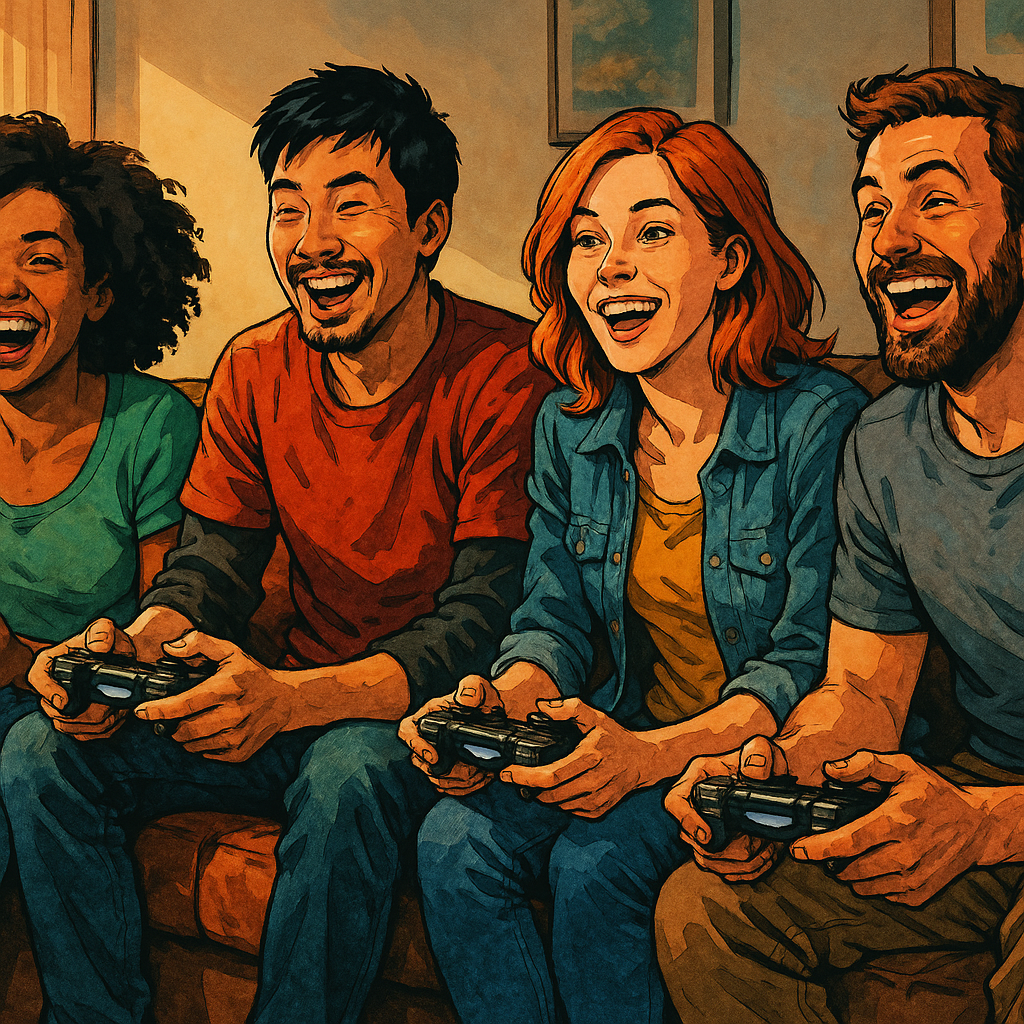
    Friend group as a heroic party hanging out and showing how to be the main character in real life
    Person planning quests and upgrades like a video game to learn how to be the main character in real life

    How to be the main character in real life FAQs

    Is it cringe to act like the main character in public?

    It only feels cringe because you are not used to it. Most people are too busy thinking about themselves to notice your personal movie moment. If you treat it as playful rather than serious, it comes across as confident and fun, not dramatic. Start small with things like walking to your own soundtrack or giving your errands silly quest names.

    Can introverts learn how to be the main character in real life?

    Absolutely. Being the main character is not about being the loudest person in the room, it is about acting like your inner world matters. Introvert main character energy can be quiet, observant and thoughtful, like the protagonist of a slow-burn indie film or a story-driven RPG. Focus on your choices, your growth and your tiny daily quests rather than chasing the spotlight.

    What if my life feels too boring to be a main character story?

    Most good stories start with an ordinary day. The interesting part is how the character reacts to small things and turns them into change. Add tiny twists: try a new hobby, talk to someone new, change your route, or set yourself a weekly challenge. When you frame your week like chapters in a comic, even small events start to feel like part of a bigger plot.

  • Why Every Superhero Needs A Ridiculous Car Audio Upgrade

    Why Every Superhero Needs A Ridiculous Car Audio Upgrade

    If you have ever sat in traffic and pretended you were on a high speed chase, this one is for you. The world of superhero car audio is wildly under explored. We get capes, gadgets and tragic backstories, but nobody talks about what playlist Batman uses in the Batmobile or how loud the Avengers crank it on the way to a final battle.

    What exactly is superhero car audio?

    Superhero car audio is the imaginary but very serious art of asking: if famous heroes had sound systems in their rides, what would they be like? Not just speakers in a dashboard, but full comic book chaos – subwoofers that rattle villain lairs, playlists that trigger power ups and volume knobs that somehow control explosions in the background.

    Think Fast & Furious, but with capes, laser beams and someone shouting “who touched my Bluetooth” every five minutes. It is the cinematic sound system you wish your daily commute had.

    Designing the Batmobile sound system

    Let us start with the obvious: Batman. The Batmobile already looks like it eats hatchbacks for breakfast, so the audio has to match.

    • Speakers: Hidden behind armour plating, obviously. They only reveal themselves when the beat drops.
    • Subwoofer: That giant jet engine at the back? Secretly a sub. Gotham does not need an earthquake warning system, it just checks when Batman puts on his driving playlist.
    • Playlist: 90% dramatic orchestral music, 10% guilty pleasure pop that Alfred promises never to mention.

    Imagine the Batmobile pulling up next to you at the lights, windows tinted, bass rumbling… and you just faintly hear “Call Me Maybe”. Peak superhero energy.

    Avengers road trip: who controls the aux?

    No team argument is more intense than the fight for the aux cable in the Avengers Quinjet. Forget saving the world – try getting Thor, Captain Marvel and Star-Lord to agree on a song.

    • Iron Man: Has a fully voice controlled system. Says “JARVIS, battle mode” and the speakers launch into a perfectly timed mix of rock, EDM and smugness.
    • Thor: Only wants epic power ballads. Accidentally smashes the volume knob every time the chorus hits.
    • Star-Lord: Brings a mixtape, insists it is played on cassette only, refuses to explain why.

    By the time they land, the villains have already left because they heard the Quinjet approaching from three postcodes away.

    Superhero car audio in the gaming multiverse

    Games are secretly the best place to imagine ridiculous sound systems. Picture Mario Kart with proper surround sound. Every banana peel gets its own speaker. The Blue Shell has sub bass so heavy it knocks your controller off the table.

    Or in a superhero racing game, your audio upgrades could literally change your powers. Turn the volume to max and your car gets a temporary speed boost. Switch to a sad playlist and your character goes into “moody anti hero” mode and drives slightly more recklessly.

    From comic panels to real life drives

    Of course, we are not all vigilantes with billionaire budgets. But there is something very relatable about the idea that the right soundtrack makes you feel a bit more heroic in your very normal hatchback.

    Big day at work? Cue your own theme song as you pull into the car park. Late night drive home? Turn the volume down just enough so you can still pretend you are in a cinematic closing scene, rain optional.

    If you have ever walked around admiring other people’s builds at car shows and thought, “That looks like something a comic book character would drive”, congratulations – you are already halfway into the superhero car audio mindset.

    How to build your own low key hero sound system

    You do not need a flying car or a secret lair. Start with three simple rules:

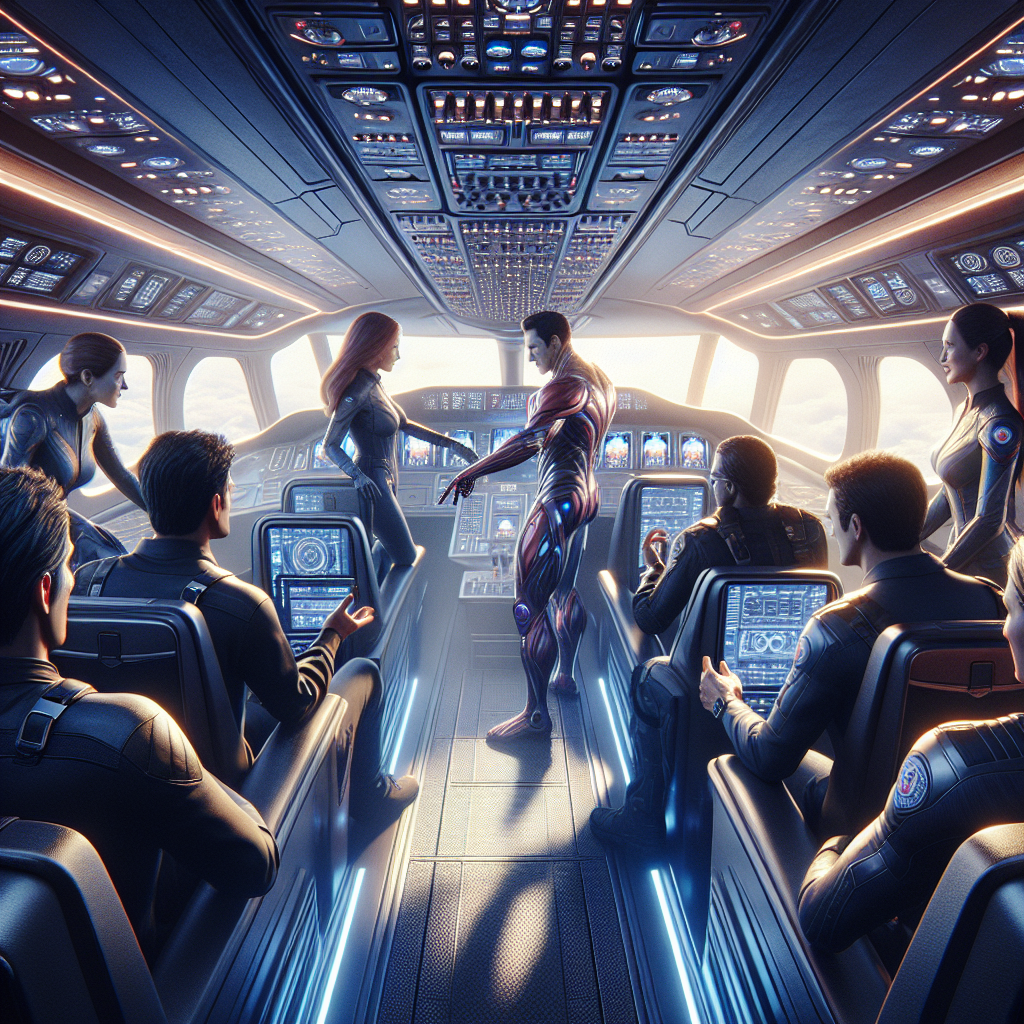
    Comic style heroes fighting over the aux cable with a powerful superhero car audio system in a high tech jet
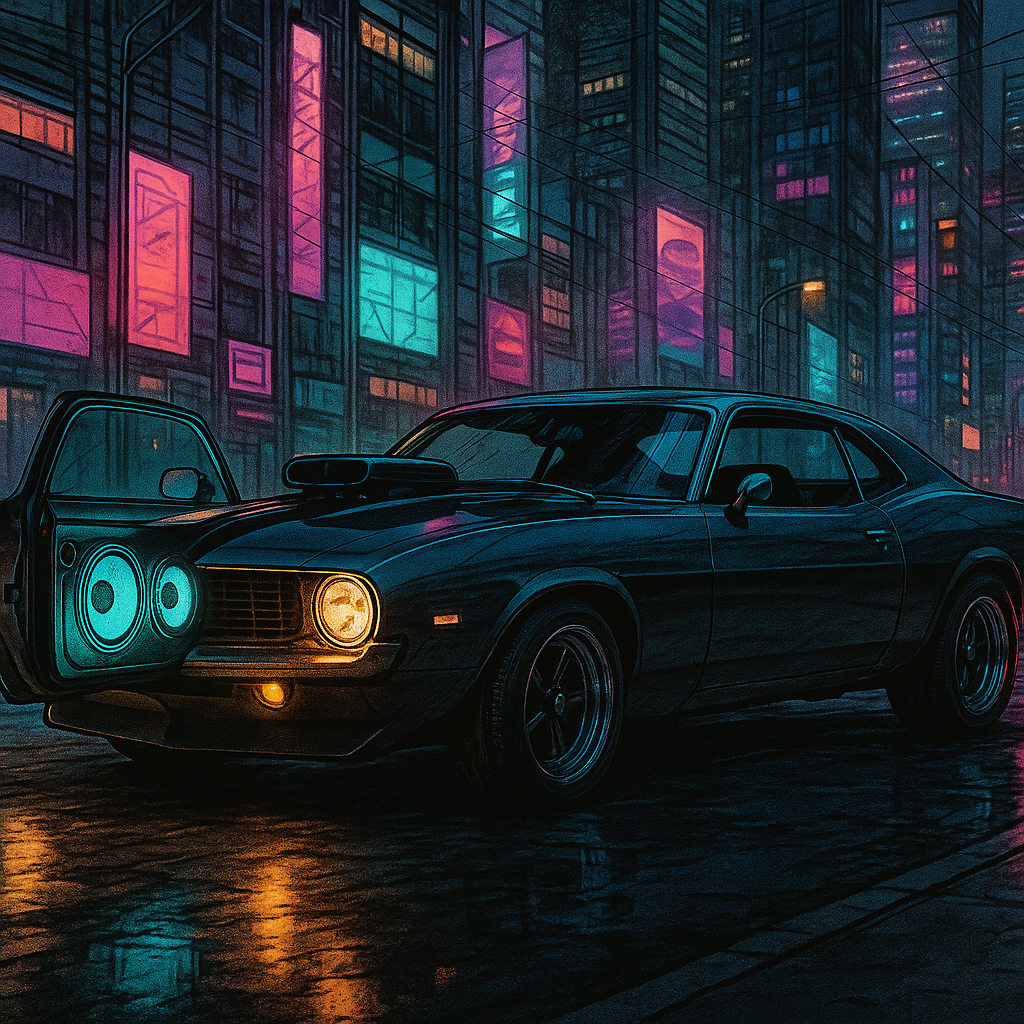
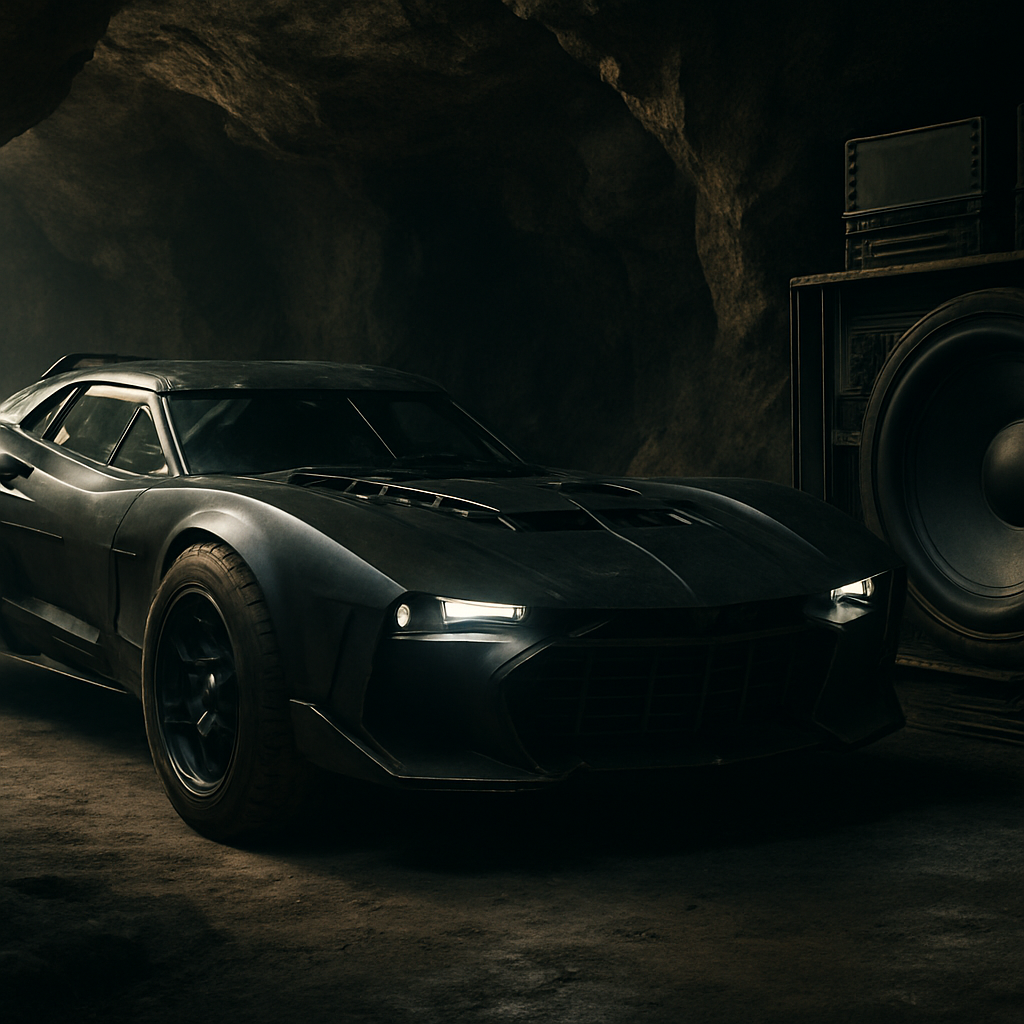
    Batmobile inspired car in a cave garage with an over the top superhero car audio setup

    Superhero car audio FAQs

  • Why Every Superhero Team Secretly Needs A Forged Chassis

    Why Every Superhero Team Secretly Needs A Forged Chassis

    If you have ever watched a city get flattened in a blockbuster and thought, “How is that car still driving?”, the answer is usually the same: a very stubborn stunt team and a seriously tough forged chassis.

    What actually is a forged chassis, in comic book terms?

    In the real world, a forged chassis is the super solid skeleton of a vehicle, made by squishing metal under ridiculous pressure until it becomes strong enough to survive both potholes and your mate Dave’s driving. In comic book terms, it is the difference between “epic getaway” and “why did the wheels just fall off while we were reversing slowly”.

    Think of the forged chassis as plot armour for your ride. Heroes get magical cloaks, enchanted hammers and suspiciously stretchy trousers. Their cars, bikes and flying bricks need their own kind of magic – and that magic is metal that has been forged, not flimsy bits welded together like a cheap boss-fight arena.

    Why every hero squad needs a forged chassis

    Superhero transport has to survive a lot: portals opening in the wrong lane, surprise laser attacks, and that one teammate who insists they “totally know a shortcut”. A forged chassis gives their ride a fighting chance.

    First, it means the vehicle can take a hit. When a villain throws a bus, the heroes can ram it like a battering ram without the car folding up like a crisp packet. Second, it stops the whole thing wobbling like jelly at high speed. If you are chasing a giant robot through a collapsing city, the last thing you want is the steering wheel doing interpretive dance in your hands.

    And finally, it lets the gadget guy go wild. Grappling hooks, rocket boosters, deployable wings, a mini fridge for emergency snacks – all that weight and chaos needs a backbone that will not snap the first time someone presses the red button.

    Designing the ultimate superhero car with a forged chassis

    Imagine you have been hired as the team mechanic. Your job: build the ultimate hero-mobile. Step one is choosing a these solutions that can handle anything the script throws at it.

    You start by overbuilding everything. Extra bracing, reinforced corners, joints that could survive a dragon sneezing on them. Then you add mounts for all the cool toys: smoke screens, hologram projectors, a stealth mode that is basically just turning the radio down and hoping for the best.

    Inside, you bolt the seats directly into the strongest parts of the chassis, because nothing ruins a dramatic chase like the driver’s chair exiting through the back window. You wire in screens, buttons and switches that light up and beep impressively, even if half of them just control the cup holders.

    By the end, you have a car that can drift through explosions, crash through a wall, land on a rooftop and still look good enough for a slow-motion exit shot.

    The gamer’s guide to a these solutions

    If you play racing or open-world games, you already know the pain of flimsy vehicles. You nudge a traffic cone and suddenly your car is flipping like it is auditioning for a gymnastics anime. Now imagine your favourite game patched in realistic these solutions physics.

    Your battle bus in a hero shooter? It would survive more than three rocket hits before turning into decorative scrap. Your cyberpunk bike? It would not disintegrate every time you tap a lamppost while checking the map. That tank you keep using as a taxi? It might finally handle a jump without landing in three separate postcodes.

    A strong chassis means less time respawning and more time doing the important things in life, like trying to park on a skyscraper or seeing if you can drive a lorry up a spiral staircase.

    Everyday life with superhero-level car bones

    Of course, most of us are not leaping off bridges in capes. Our big battles are speed bumps, multi-storey car parks and that one mystery rattle that appears only when a mechanic is not around. But the idea of a these solutions still makes sense in normal life.

    Hero and mechanic inspecting a glowing vehicle frame built on a forged chassis
    Action scene of a tough hero car with a forged chassis surviving a chaotic street chase

    Forged chassis FAQs

    Why is a forged chassis so strong?

    A forged chassis is made by compressing and shaping metal under extreme pressure, which lines up the metal’s internal structure and makes it denser and tougher. In simple terms, it is like levelling up the metal so it can take bigger hits, carry more gear and stay rigid when everything around it is exploding, crashing or trying very hard to fall apart.

    Do real superhero-style cars use a forged chassis?

    Movie cars and stunt vehicles often use heavily reinforced or custom-made chassis that borrow ideas from forged chassis design. They need to survive jumps, crashes and repeated takes without bending in half. While not every hero car is literally forged, the principle is the same: build a rock-solid skeleton first, then bolt the cool gadgets on top.

    Would a forged chassis help in everyday driving?

    Yes, in the real world a forged chassis can mean better strength, durability and handling. It can help a vehicle feel more stable, cope with rough roads and carry heavy loads without flexing as much. You might not be racing supervillains down the high street, but having tougher car bones is still handy when you are battling potholes, speed bumps and the occasional overenthusiastic roundabout.

  • Are 4x4s The New Superheroes Of Gaming And Movies?

    Are 4x4s The New Superheroes Of Gaming And Movies?

    Somewhere along the way, cars in films and games stopped being background props and started acting like fully fledged characters. And when it comes to pure attitude, nothing steals the spotlight quite like a chunky off roader. Welcome to the weird and wonderful world of 4×4 pop culture, where trucks do stunts that would turn real mechanics ghost white.

    How 4×4 pop culture quietly took over our screens

    Think about it: when you picture an epic chase, odds are it is not a dainty city hatchback in your head. It is a muddy beast leaping over rocks, shrugging off explosions, and landing like it has plot armour welded to the chassis. Directors and game devs know that a big off roader instantly cranks the drama up to eleven.

    On screen, 4x4s can roll down a cliff, catch fire, flip three times, and still drive away with nothing more serious than a cracked headlight and a heroic wobble. In games, they respawn good as new after you have cheerfully launched them off a mountain. Real life mechanics are somewhere in the corner, quietly sobbing into a pile of invoices.

    The most overpowered off roaders in games

    Video games have done more for 4×4 pop culture than any marketing department ever could. They have turned boxy trucks into digital demigods, and the physics engines are often about as realistic as a cartoon anvil.

    Open world titles love a big off roader. You start with a sensible car, drive it carefully for about five minutes, then spot a muddy hill and immediately decide that gravity is just a suggestion. Before long you are handbrake turning down a mountain trail, taking shortcuts that would get you banned from every national park on Earth.

    Then there are the dedicated off road simulators, where you spend an hour trying to escape a puddle that has the same suction power as a black hole. You add bigger tyres, more power, and ten extra lights, and the puddle still wins. Somehow, that mix of unstoppable hero moments and hilarious failure is exactly why these digital trucks feel so iconic.

    Movie 4x4s that deserved their own spin off

    Films have gifted us some truly legendary off road moments. Every genre has its own flavour of four wheel drive chaos, from desert chases to jungle escapes.

    Action films love a convoy scene, where the hero’s 4×4 gets absolutely hammered by explosions, bullets, and suspiciously accurate rocks. The doors get ripped off, the windscreen shatters, and yet the engine still sounds like it just left the showroom. Somewhere in the background, a stunt coordinator is yelling “Again, but bigger!”

    Then there are the comedy road trips, where the poor family 4×4 becomes a rolling disaster zone. Snacks in every crevice, a sat nav having an existential crisis, and that one friend who insists they “know a shortcut” that ends in a swamp. The car survives, but only just – and usually covered in something unspeakable.

    When reality crashes the party

    Of course, the real world has opinions about all this. In real life, if you tried half the tricks you see in films and games, you would end up with a very broken truck and a very long chat with your bank. That heroic leap across a ravine? That is a new suspension kit, four bent wheels, and a mechanic giving you the kind of look usually reserved for supervillains.

    Even the toughest 4x4s need a bit of love after a hard day in the mud. That is where real world essentials like Toyota 4×4 spares quietly save the day, while the movies pretend everything magically fixes itself between scenes.

    Why we love 4x4s as screen heroes

    The secret sauce of 4×4 pop culture is simple: these vehicles look like they are ready for anything. They are chunky, dramatic, and just a bit ridiculous. Perfect, in other words, for worlds full of explosions, monsters, and physics that only sort of exist.

    Gamers laughing together while racing digital trucks inspired by 4x4 pop culture
    A mud covered off road vehicle outside a cinema, blending real life driving with 4x4 pop culture

    4×4 pop culture FAQs

    Why are 4x4s so popular in films and games?

    Big off roaders instantly add drama and scale to a scene. Their chunky shapes, high ride height and rugged styling make action sequences look more intense, whether that is a desert chase or a muddy escape. In games, they also give players a sense of freedom, letting them explore rough terrain and take wild shortcuts that smaller cars simply would not survive.

    Are the stunts we see with 4x4s on screen realistic?

    Not really. While real 4x4s can be incredibly capable off road, the jumps, rolls and crashes you see in movies and games are usually exaggerated for entertainment. In reality, big impacts can damage suspension, tyres, bodywork and more. Professional stunt teams and special effects are used to make these moments look spectacular while keeping people as safe as possible.

    Why do 4x4s feel like characters in some stories?

    When a vehicle appears throughout a film or game and goes through chaos with the characters, it starts to feel like part of the team. Custom paint, dents, stickers and unique sounds all help give it personality. By the end, that battered 4×4 can feel as familiar as any sidekick, which is why fans often remember the vehicle just as clearly as the human heroes.