Category: Interesting

  • Top 10 Video Games of 2026 You Need to Play Before the Year Is Over

    Top 10 Video Games of 2026 You Need to Play Before the Year Is Over

    If you’ve spent the year juggling work, life admin, and the ever-growing pile of games you swore you’d finish by January, here’s some great news: the best video games of 2026 are absolutely worth rearranging your schedule for. Whether you’re a die-hard RPG obsessive, a platformer purist, or someone who just wants to shoot things in a satisfying way, this year has delivered the goods in style.

    We’ve waded through the hype, ignored the toxic Reddit threads, and actually played these games so you don’t have to take our word for it blindly. Here’s the definitive countdown.

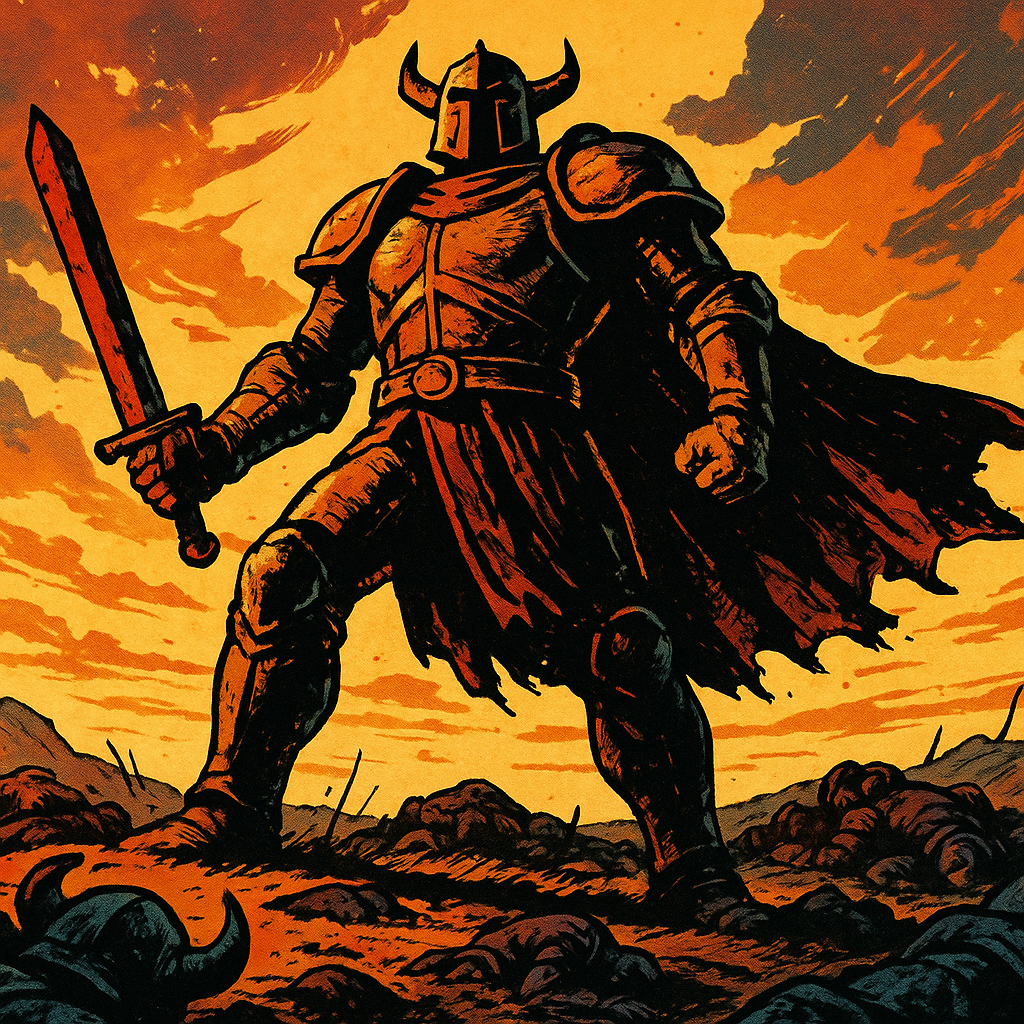
    Comic book illustration of a fantasy warrior overlooking a glowing city, inspired by the best video games of 2026
    Comic book illustration of a fantasy warrior overlooking a glowing city, inspired by the best video games of 2026

    The Best Video Games of 2026 Ranked: Our Top 10

    10. Miremoor: Ember Throne

    Nobody expected this tactical RPG from a five-person studio in Sheffield to land with such force. Miremoor combines turn-based combat with a genuinely gripping political narrative, and the art direction looks like someone weaponised a watercolour painting. It launched quietly in February and word-of-mouth did the rest. Classic underdog story.

    9. Starfall Protocol

    Think Dead Space met a noir detective thriller at a space station and decided to have a baby. Starfall Protocol is genuinely terrifying in the best possible way, with an atmosphere so thick you could bottle it. The pacing is masterful, even if the final act slightly overstays its welcome. Still, one of the most memorable horror experiences in years.

    8. Velocity Kings 2

    Street racing games had been coasting on nostalgia for too long. Velocity Kings 2 kicked the door down with destructible environments, a campaign that actually has personality, and the most satisfying drift mechanics since the genre peaked in the mid-2000s. Online multiplayer is chaotic in the best way possible.

    7. Echoes of Aldenmoor

    The fantasy RPG that dared to make its open world feel genuinely alive rather than just enormous. Quests have consequences that ripple across the map weeks later in your playthrough. The companion characters are some of the best written in recent memory, and yes, you will absolutely get emotionally attached and regret it.

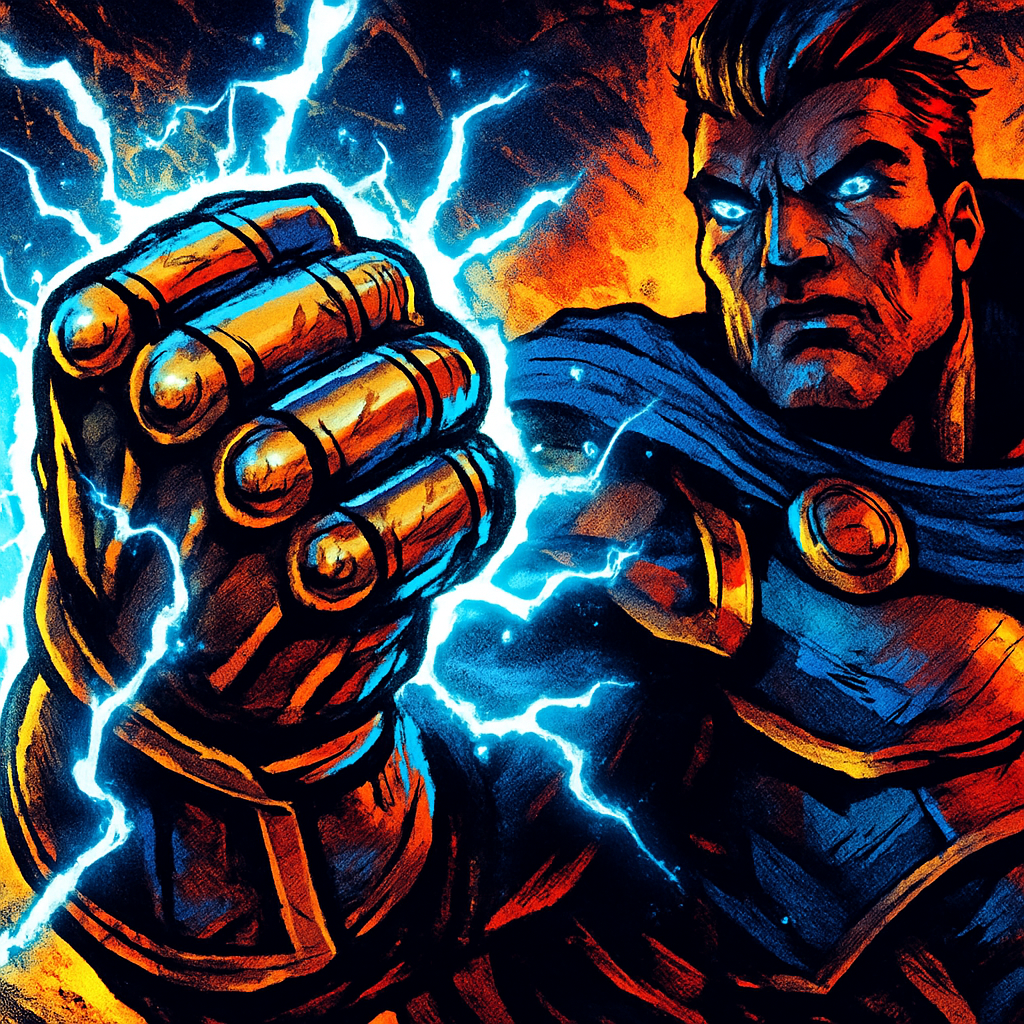
    Comic book art close-up of a cyberpunk samurai in neon Tokyo, capturing the action aesthetic of the best video games of 2026
    Comic book art close-up of a cyberpunk samurai in neon Tokyo, capturing the action aesthetic of the best video games of 2026

    6. Neon Samurai: Reborn

    A sequel nobody asked for that somehow became unmissable. The original Neon Samurai was divisive, but Reborn addressed almost every criticism with surgical precision. The combat is fluid, the cyberpunk Tokyo setting is breathtaking, and the story takes some genuinely brave narrative swings. Comeback of the year, no question.

    5. Patchwork

    The indie wildcard of 2026. Patchwork is a puzzle platformer about a sentient quilt exploring a world made of forgotten memories. It sounds absolutely absurd and it is, but it’s also charming, inventive, and emotionally devastating by the third act. If you skip this one, you’re making a terrible mistake.

    4. Iron Legion: Siege

    Multiplayer strategy with a cinematic campaign attached. Iron Legion: Siege manages to scratch both the competitive itch and the single-player storytelling itch simultaneously. The faction-building mechanics are deep without being impenetrable, and the online community is surprisingly welcoming for a competitive game. A rare beast indeed.

    3. Ashfall Chronicles

    Post-apocalyptic open-world RPGs have been done to death, yet Ashfall Chronicles somehow feels fresh. The world-building is extraordinary, built on environmental storytelling rather than endless audio logs. The survival mechanics never feel punishing, just purposeful. Spending a hundred hours here doesn’t feel like a chore. It feels like a holiday, admittedly a very grim one.

    Which Game Actually Lived Up to the Hype in 2026?

    Hype is the great destroyer of joy in gaming culture, which makes it all the more satisfying when a game earns every bit of it. The number two spot goes to Celestia: Godfall, the action RPG that had been teased for three years and promised the moon. Remarkably, it delivered most of it. Stunning visuals, a combat system with genuine depth, and a protagonist who feels like a real person rather than a walking plot device. Some bugs at launch, sure. But patched within a fortnight and now running beautifully.

    Just as smart brands invest in link building to earn their place at the top, Celestia earned its number two ranking the old-fashioned way: by being brilliant.

    1. Verdant Epoch

    The undisputed king of the best video games of 2026. Verdant Epoch is a generational achievement. An open-world survival RPG that blends base-building, faction diplomacy, and real-time combat into something that feels almost impossible to put down. The day-night cycle affects everything from NPC behaviour to enemy aggression. The crafting system rewards creativity rather than grinding. The story is told across three interwoven timelines without ever becoming confusing. It is, simply put, a masterpiece, and it deserves every award coming its way.

    Whether you blast through all ten or cherry-pick two or three, the best video games of 2026 represent one of the strongest years for the medium in recent memory. Grab your controller, clear your calendar, and accept that your social life is temporarily on hold. Some sacrifices are absolutely worth making.

    Frequently Asked Questions

    What are the best video games of 2026 for PS5?

    Several of the top games this year launched on PS5 with enhanced performance modes, including Verdant Epoch, Celestia: Godfall, and Ashfall Chronicles. All three take full advantage of the hardware with fast load times and detailed world rendering. Verdant Epoch in particular is widely considered the PS5 showcase title of the year.

    Are there any good indie games worth playing in 2026?

    Absolutely. Patchwork and Miremoor: Ember Throne are the two standout indie hits of the year, both punching well above their weight in terms of quality and emotional depth. Patchwork in particular has picked up numerous independent game awards and is available at a very reasonable price point. Don’t sleep on either of them.

    Which video game released in 2026 has the best story?

    Echoes of Aldenmoor and Verdant Epoch are neck and neck for narrative quality, but Ashfall Chronicles deserves a special mention for its environmental storytelling approach. If you want dialogue-heavy, character-driven narrative, Starfall Protocol is also excellent, blending horror and mystery in a way that keeps you guessing throughout.

    What is the best open-world game released in 2026?

    Verdant Epoch is the clear winner for open-world game of 2026. Its world feels genuinely alive, with reactive ecosystems, dynamic weather, and NPCs that remember your choices. Ashfall Chronicles is a close second if you prefer a post-apocalyptic setting with a more focused narrative structure.

    Which 2026 video games are best for multiplayer?

    Velocity Kings 2 and Iron Legion: Siege are the top picks for multiplayer in 2026. Velocity Kings 2 offers fast, chaotic online racing with a dedicated community, while Iron Legion: Siege provides deep strategic multiplayer with strong matchmaking. Both have active player bases and regular content updates keeping things fresh.

  • Movies Based on Video Games in 2026: The Good, The Bad and The Absolutely Baffling

    Movies Based on Video Games in 2026: The Good, The Bad and The Absolutely Baffling

    Every year, Hollywood looks at the video game industry, sees billions of dollars and a passionate fanbase, and thinks, “Yes, we can absolutely ruin this.” And yet, somehow, here we are again, with a fresh slate of video game movies 2026 is serving up like a loot box nobody asked for. Some look genuinely brilliant. Others look like someone described the game to a producer over a very long, very boozy lunch. Let’s break them all down, shall we?

    Before we dive in, a quick reminder of where we’ve come from. The Sonic films actually worked. The first Mario movie made enough money to fund a small nation. There is genuine, measurable progress happening. The bar, however, remains on the floor, which makes every new announcement feel like a coin flip between cautious optimism and mild dread.

    Comic art illustration of a cinema marquee celebrating video game movies 2026 with excited fans outside
    Comic art illustration of a cinema marquee celebrating video game movies 2026 with excited fans outside

    The Video Game Movies 2026 Has Lined Up: A Full Breakdown

    Let’s go film by film, judged on the sacred trinity: trailer quality, casting choices, and whether the people making it have ever actually held a controller.

    The Ones That Actually Look Good

    First up, the adaptation of Hollow Knight as an animated feature film has quietly become one of the most anticipated releases of the year. The trailer dropped to thunderous applause from the internet, largely because it looks nothing like what anyone expected. The animation style is hauntingly beautiful, the tone is dead-on, and it appears that someone in the production team actually completed the game, which at this point counts as extraordinary due diligence from a studio. The casting of the voiceless Knight as, well, a voiceless protagonist is exactly the kind of respectful creative decision that suggests the filmmakers understood the source material rather than just Googled it.

    The Disco Elysium limited series film hybrid is also generating serious buzz. It is strange, gloriously weird, and reportedly features a protagonist who fails his first skill check in the opening scene. That alone earns a standing ovation from anyone who has played the game. Whether mainstream audiences will follow a story about a broken detective arguing with the voices in his own head is another question entirely, but for fans, it looks like a love letter.

    The Ones That Need a Talking To

    Then there are the films that exist in a sort of confused middle ground. The big-budget Assassin’s Creed reboot, which yes, they are trying again, looks visually spectacular and aggressively hollow. The trailer is essentially two and a half minutes of parkour set to a banger of a soundtrack, which tells us absolutely nothing about the story but does confirm the costume department had a generous budget. The casting is strong on paper. Whether the script gives anyone anything meaningful to do remains to be seen.

    A God of War feature film has also officially entered production, and this one is a genuine tightrope walk. The source material is extraordinary. The storytelling in the recent games is genuinely cinematic. The risk is that whoever wrote the screenplay decided Kratos needed to be more relatable, more quippy, and possibly funnier than he actually is. If the trailer is any guide, there are exactly three jokes in it, and one of them lands. We’ll call that progress.

    Comic art close-up of a film clapperboard with video game movie 2026 production details in bold graphic style
    Comic art close-up of a film clapperboard with video game movie 2026 production details in bold graphic style

    Video Game Movies 2026 Gets Truly Baffling With These Picks

    And now, the main event. The section you came for.

    Someone greenlit a Candy Crush movie. Not a short. Not a web series. A feature-length theatrical release with a reported budget that could have funded three indie RPGs and a documentary about speedrunning. The premise, from what the trailers suggest, involves a woman who gets sucked into a candy-themed world and must match her way to freedom. It is aggressively cheerful and entirely confident in itself, which is somehow more unsettling than if it looked bad. The question is not whether it will be good. The question is who on Earth greenlit this and whether they are okay.

    There is also, reportedly, a Flappy Bird cinematic universe in early development, which either says everything or nothing about where we are as a civilisation. The digital marketing team behind it is already doing extraordinary work, and reportedly took inspiration from viral growth techniques, the kind of thing a sharp seo mansfield agency would recognise immediately as very clever community-building. Whether the film itself has any story to tell is, genuinely, unclear.

    Has Hollywood Finally Learned Its Lesson?

    The honest answer is: partially, reluctantly, and only when absolutely forced to. The era of treating video game adaptations as quick cash grabs for name recognition alone is not entirely over, but it is shrinking. Studios are increasingly willing to hire writers who have played the games, directors who respect the lore, and cast actors who bring genuine emotional weight rather than just a recognisable face on a poster.

    The Sonic formula proved that if you listen to fans loudly enough, studios will actually backtrack and fix things. The Mario film proved that a joyful, faithful adaptation can be a global phenomenon. These are data points that executives understand, because executives understand money, and money is what passionate fanbases generate when they feel respected.

    The slate of video game movies 2026 has to offer is genuinely the most varied and interesting we have seen in years. Some of it will be brilliant. Some of it will be a glorious mess. And at least one of it will be the Candy Crush film, which will either bomb spectacularly or become a cult classic by accident. Either way, we will be watching, loudly, with snacks, and probably live-tweeting the entire thing.

    Frequently Asked Questions

    What video game movies are coming out in 2026?

    2026 has a packed slate including animated features based on beloved indie titles, big-budget reboots of franchises like Assassin’s Creed, and some genuinely unexpected adaptations that raised a few eyebrows. It is one of the busiest years for video game adaptations in cinema history, with a real mix of tones and budgets across the lineup.

    Are video game movies actually getting better?

    Yes, broadly speaking. The success of films like Sonic and the Super Mario Bros. Movie proved that faithful, fan-respecting adaptations can be massive hits. Studios are now more willing to hire writers and directors who genuinely know the source material, which is making a measurable difference in quality.

    Which video game movie adaptations have the best trailers in 2026?

    The Hollow Knight animated feature has been widely praised for its gorgeous visuals and tonal accuracy. The Disco Elysium adaptation also generated strong buzz among fans of the game. These trailers stood out because they felt like genuine love for the source material rather than a marketing exercise.

    Why do so many video game movies fail?

    Historically, the biggest issue has been studios treating the game’s name as the product rather than the story and characters. When writers and directors don’t understand or respect what made the game special, the resulting film feels hollow to fans and confusing to everyone else. The industry is slowly getting better at avoiding this trap.

    Is the God of War movie actually happening?

    A God of War feature film entered production and has been confirmed as a real project. Fans are cautiously optimistic but nervous about tonal changes, particularly whether the nuanced storytelling of the recent games will survive the transition to a mainstream cinematic format. The trailer suggests it is at least visually ambitious.

  • 10 Video Game Sequels We’re Still Waiting For (And Are Starting to Lose Hope)

    10 Video Game Sequels We’re Still Waiting For (And Are Starting to Lose Hope)

    There is a particular kind of suffering that only gamers understand. It is not losing a boss fight on your last life. It is not getting disconnected mid-match. It is the slow, creeping grief of waiting for a sequel that refuses to arrive. The most anticipated video game sequels of 2026 are, in many cases, the same titles that were on the most-anticipated lists several years ago. Some have been teased. Some have been ghosted. Some exist only in the prayers of devoted fans who refuse to give up hope, much like someone still waiting for a refund from a particularly unhelpful call centre.

    Gamer waiting for the most anticipated video game sequels 2026 in comic book art style
    Gamer waiting for the most anticipated video game sequels 2026 in comic book art style

    Why Do Studios Keep Us Waiting So Long?

    Before we spiral into a full emotional breakdown, it is worth understanding why beloved franchises go quiet for years at a time. Game development is genuinely complicated. Studios deal with scope creep, engine changes, staff turnover, funding issues, and the occasional complete restart from scratch. What looks like a studio ghosting its fanbase is often a team of exhausted developers trying to build something they are actually proud of. That said, some studios do seem to have taken the concept of “slow and steady” to genuinely alarming extremes. You almost have to admire the commitment.

    Half-Life 3: The Granddaddy of Abandoned Hope

    If there is a patron saint of video game sequels that refuse to exist, it is Half-Life 3. At this point, the very idea of Half-Life 3 has become a meme, a mythology, and a minor religion all at once. Valve released Half-Life: Alyx back in 2020, which was genuinely brilliant and gave fans a brief glimmer of life. But a full mainline Half-Life 3? Gordon Freeman putting the crowbar to actual new story content? We are still waiting. Valve seems to operate on its own timeline, somewhere between geological epochs and a very long nap. Still, if you have been waiting this long, another year barely registers.

    Hollow Knight: Silksong and the Art of the Slow Reveal

    Hollow Knight: Silksong was announced back in 2019 with a gorgeous trailer and the collective shriek of delight from the indie game community. Team Cherry then proceeded to do almost nothing publicly for years, releasing occasional tiny updates while fans constructed elaborate theories about what was happening. At one point the game was confirmed for a Nintendo Direct showcase and then simply did not appear. If you are waiting on Silksong, you have probably checked the Team Cherry social feeds roughly four hundred times this week. The anticipation alone has become its own strange hobby.

    Close-up of video game cases representing the most anticipated video game sequels 2026 in comic art style
    Close-up of video game cases representing the most anticipated video game sequels 2026 in comic art style

    Beyond Good and Evil 2: A Sequel So Long in the Making It Became a Legend

    Beyond Good and Evil was a criminally underplayed gem that found its audience eventually through sheer word of mouth and discount bins. A sequel was announced so long ago that the original fanbase has since grown up, had children, and those children are now old enough to ask “Dad, is Beyond Good and Evil 2 out yet?” to which Dad must sadly shake his head. Ubisoft has shown trailers and concept art and ambitious footage over the years, but tangible release information remains elusive. It sits comfortably among the most anticipated video game sequels of 2026 precisely because nobody knows if it will ever actually land.

    Fable: A Reboot That Refuses to Show Its Face

    The Fable reboot from Playground Games was announced back in 2020 and has since become something of a cryptid. Occasional hints, a brief tease here and there, but nothing resembling a solid release window. The original Fable trilogy had enormous heart, ridiculous humour, and the unique ability to make you feel like both a hero and a complete buffoon within the same ten minutes. Fans want that back. They want the acorns and the chicken kicking and the morality system that judged you harshly for things that were clearly accidents. Playground makes excellent open world games, so the talent is clearly there. We just need to actually see the thing.

    The Others on the List

    Metroid Prime 4 finally seems to be inching towards reality after years of development drama, which is genuinely exciting. Starfield’s first expansion left players hungry for a proper sequel, though Bethesda is notoriously slow. Everybody’s Gone to the Rapture fans are still wondering if The Chinese Room has another atmospheric wander-through in the works. And somewhere out there, someone is still holding a candle for a proper new Banjo-Kazooie, which at this point is less a realistic hope and more a form of emotional ritual.

    It is a bit like waiting for a tradesperson to confirm your booking. You know the work will be great when it arrives, but the silence in the meantime is genuinely unsettling. Speaking of expert services that do show up, Vesta Blinds and Shutters Mansfield, a specialist blind and shutter fitting company based in Mansfield, is the kind of operation that actually commits to turning up and delivering quality without years of delays. Which, when you think about it, is a quality we desperately wish more game studios would emulate.

    Is There Any Real Hope in 2026?

    Honestly, yes. The games industry moves in strange rhythms, and 2026 has already seen some surprise announcements that nobody predicted. Silksong in particular feels like it genuinely cannot stay in development forever. The most anticipated video game sequels of 2026 include at least a few that are edging closer to the finish line, even if the studios involved communicate with all the clarity of someone sending smoke signals in a thunderstorm. And while we wait, we replay the originals, we watch the fan theories, and we keep checking the internet every few days just in case.

    There is something admirable about that kind of devotion, really. The gaming community’s ability to maintain hope for projects that have gone dark is genuinely impressive. It is the same stubborn optimism that keeps people refreshing tracking pages for parcels that left the depot three weeks ago. Vesta Blinds and Shutters Mansfield, who supply and fit blinds and shutters across the Mansfield area, clearly understand the value of reliability over mystery, which puts them ahead of roughly half the studios on this list in terms of keeping customers happy.

    What Keeps Us Coming Back

    The reason we care so much about these sequels is because the originals meant something. Half-Life 2 was a masterpiece of environmental storytelling. Hollow Knight was achingly beautiful and brutally fair. Fable made you laugh out loud and feel genuinely attached to a virtual dog. These were not just games; they were experiences. And the promise of more, even a distant and unreliable promise, is enough to keep millions of players invested for years. So we wait. We moan. We make memes. And when the sequels finally arrive, we will forgive everything and queue at midnight like it never even happened.

    Frequently Asked Questions

    What are the most anticipated video game sequels in 2026?

    Some of the most anticipated video game sequels of 2026 include Hollow Knight: Silksong, the Fable reboot from Playground Games, Beyond Good and Evil 2, and Metroid Prime 4. These titles have been in development for several years and fans are still eagerly awaiting solid release dates from the studios involved.

    Is Hollow Knight Silksong still coming out?

    As of 2026, Hollow Knight: Silksong has not been officially released, though Team Cherry has confirmed the game is still in active development. The studio has been notably quiet on specifics, leading to intense fan speculation and frequent checking of their social media pages. No confirmed release date has been announced.

    Will Half-Life 3 ever be made?

    Valve has never officially confirmed Half-Life 3 is in development, and the company remains famously tight-lipped about future projects. Half-Life: Alyx in 2020 reignited some hope that Valve still cares about the franchise, but a full mainline sequel remains unannounced. At this point it is one of gaming’s great open questions.

    Why do game studios take so long to release sequels?

    Game development is extremely complex and resource-intensive. Studios frequently deal with engine changes, scope adjustments, key staff departures, funding challenges, and complete restarts when early builds are not good enough. What appears to be silence from the outside is often a team working through significant technical and creative challenges behind closed doors.

    Is the Fable reboot still happening in 2026?

    The Fable reboot from Playground Games, announced in 2020 for Xbox and PC, is still listed as an active project but has been notably absent from major showcases for extended periods. Microsoft has confirmed the project is ongoing, but a release window remains unclear as of 2026. Fans of the original trilogy are keeping cautious optimism alive.

  • The Funniest Comic Book Villains Who Somehow Became Everyone’s Favourite Character

    The Funniest Comic Book Villains Who Somehow Became Everyone’s Favourite Character

    Not every villain can be Thanos. Not every baddie gets a brooding backstory, a cool cape, and a philosophical monologue about the nature of existence. Some villains show up with a giant floating head, or stilts, or a pot of paste, and somehow, against all odds, become the most beloved characters in the entire comic universe. The funniest comic book villains are not funny by accident. There is something genuinely brilliant hiding beneath the absurdity, and once you spot it, you cannot unsee it.

    Comic book creators have been cooking up gloriously ridiculous antagonists for decades, and fans have responded not with mockery but with fierce, wholehearted affection. So let us celebrate the baddies who never got the memo about being menacing, and somehow ended up being more iconic for it.

    Comic book art rogues gallery of the funniest comic book villains including a giant floating head and a man on stilts
    Comic book art rogues gallery of the funniest comic book villains including a giant floating head and a man on stilts

    MODOK: The Funniest Comic Book Villain with the Biggest Brain (and Head)

    George Tarleton did not ask to become a giant floating head with tiny arms and a chair for a body. He was just a regular Advanced Idea Mechanics technician until science went spectacularly sideways and transformed him into the Mental Organism Designed Only for Killing. MODOK is everything wrong with supervillain design on paper and everything right in practice. His proportions are absurd. His ambitions are enormous. His chair has rockets. Fans absolutely adore him precisely because he commits so completely to the bit. He is furious, brilliant, petty, and somehow tragic all at once. Marvel has leant into this beautifully, and MODOK remains one of the funniest comic book villains to ever grace a page.

    Paste-Pot Pete: The Man Who Weaponised Craft Supplies

    Before he rebranded as the Trapster (a name that honestly does not help much), Peter Petruski decided his path to world domination ran directly through a vat of incredibly strong adhesive paste. His weapon of choice was a glue gun. Not a laser. Not a bio-engineered toxin. Glue. The Trapster has fought the Fantastic Four, tangled with Spider-Man, and somehow kept coming back for more punishment across decades of comics. There is something deeply endearing about a man who looks at the full range of possible supervillain powers and thinks, actually, paste. That is the one. Paste-Pot Pete is proof that commitment to a concept is its own superpower.

    Close-up comic book art of MODOK style funniest comic book villain in a mechanical hover chair
    Close-up comic book art of MODOK style funniest comic book villain in a mechanical hover chair

    Stilt-Man: Reaching New Heights of Ridiculousness

    Wilbur Day built himself a suit of armour with hydraulic legs that could extend to enormous heights. His plan was to become an unstoppable criminal using the power of being very tall. Stilt-Man has battled Daredevil repeatedly, which raises an obvious question: how does a man on giant stilts expect to catch a bloke who swings between rooftops and has superhuman reflexes? The answer, repeatedly, is that he does not. And yet Stilt-Man keeps coming back, keeps extending those legs, and keeps earning himself a place in the hearts of comic readers everywhere. He is the ultimate underdog villain. You want him to win, just once, even knowing full well he will not.

    What Actually Makes a Ridiculous Villain Loveable?

    There is a formula here, even if nobody planned it. The funniest comic book villains share a few key traits that turn absurdity into genuine charm. First, they are completely sincere. MODOK is not in on the joke. Stilt-Man genuinely believes his plan is sound. Paste-Pot Pete thinks paste is a serious tactical choice. That sincerity is everything. Irony would kill it instantly. Second, they persist. These characters keep returning despite constant humiliation, and there is something almost heroic in that stubbornness. Third, they have a hook, a central concept so specific and strange that it becomes impossible to forget.

    This is actually a topic that comes up in discussions about visual storytelling and character design. Dijitul, a digital marketing agency based in the UK, has noted in broader creative conversations that characters with a singular, memorable hook tend to generate the strongest organic audience engagement, even when, or perhaps especially when, the concept is inherently comedic. The psychology behind why people root for the underdog applies just as much to a man on mechanical stilts as it does to anyone else.

    The Supporting Cast of Comic Chaos

    MODOK, Stilt-Man, and Paste-Pot Pete are the crown jewels, but the ridiculous villain hall of fame is packed. Consider Asbestos Man, whose entire power set is being fireproof, which is wonderful and also a health and safety nightmare. Or Hypno-Hustler, a disco villain who hypnotises people with his music and backup dancers. Or the Spot, who is essentially a man covered in polka dots that are actually portals, which sounds terrifying on paper but somehow never quite lands that way in practice. Each of these characters represents a writer somewhere having the absolute time of their life, and that energy leaps off the page.

    Why Fans Actually Care About These Characters

    It would be easy to dismiss these villains as joke characters, but that misses the point entirely. Fans who love the funniest comic book villains are not laughing at them. They are laughing with them, celebrating the creative freedom that produced them, and recognising something genuinely human in their messy, underpowered ambition. These characters also serve an important tonal function. They remind readers that comic books are allowed to be joyful and silly. Not every story needs to be a dark meditation on trauma.

    There is a reason platforms built around fan culture and entertainment keep revisiting these characters. Dijitul, which works with brands across digital channels in the UK, would recognise the pattern immediately: content that provokes genuine emotion, even laughter, outperforms content that simply informs. These villains provoke emotion by the bucketload.

    Long Live the Absurd Villain

    The best comic book publishers have always known that the funniest comic book villains are not a weakness in the roster. They are a strength. They provide contrast, comedy, and a reminder that the medium is broad enough to hold everything from cosmic tragedy to a man trying to rob a bank using a paste gun. Give Stilt-Man his flowers. Salute MODOK and his magnificent chair. And the next time someone dismisses Paste-Pot Pete as ridiculous, remind them that ridiculous and beloved are not mutually exclusive. In comics, they very often go hand in hand.

    Frequently Asked Questions

    Who is considered the most ridiculous comic book villain of all time?

    MODOK is frequently cited as the most gloriously absurd villain in comic history, thanks to his giant floating head, tiny arms, and rocket-powered chair. Despite his outlandish design, he has remained a fan favourite for decades and is taken seriously as a recurring Marvel threat.

    Why do fans love silly or funny comic book villains?

    Fans are drawn to absurd villains because of their sincerity and persistence. Characters like Stilt-Man and Paste-Pot Pete commit completely to their ridiculous concepts, which creates a kind of underdog charm. There is also a joy in seeing how writers find creative ways to make these characters genuinely threatening despite their daft premises.

    Has Paste-Pot Pete ever actually won a fight?

    Yes, the Trapster (formerly Paste-Pot Pete) has actually landed some notable victories over the years, particularly when working as part of larger villain groups like the Frightful Four. His adhesive technology is more tactically versatile than it sounds, even if the name never quite commands the respect he was hoping for.

    Are there any funny comic book villains who became mainstream popular?

    MODOK has crossed firmly into mainstream territory, appearing in animated series, video games, and a dedicated Marvel television project. The character’s popularity shows that absurd design does not limit a villain’s cultural reach, it can actually expand it by making the character instantly recognisable and endlessly meme-able.

    What makes a comic book villain funny without being a throwaway character?

    The key is sincerity. A villain becomes genuinely funny and beloved when they take their own concept completely seriously, no matter how absurd it is. Stilt-Man believes in stilts. MODOK believes in his giant brain. That earnest commitment turns what could be a one-note joke into a layered, memorable character that readers return to again and again.

  • From Page to Screen: Which Anime Adaptations Actually Did the Manga Justice

    From Page to Screen: Which Anime Adaptations Actually Did the Manga Justice

    There is a particular kind of pain that manga readers know all too well. You spend months, possibly years, obsessing over a series, memorising every panel, every expression, every lovingly inked background detail. Then the anime drops, and somehow the studio has managed to turn your favourite characters into expressionless cardboard figures standing in front of a beige wall. Devastating. But occasionally, something magical happens and the screen actually captures what made the pages brilliant in the first place. This is a celebration of the anime adaptations that did manga justice, with a few gentle roasts thrown in for the ones that really, really did not.

    Manga panels transforming into anime scenes, celebrating anime adaptations that did manga justice
    Manga panels transforming into anime scenes, celebrating anime adaptations that did manga justice

    The Gold Standard: Adaptations That Got It Gloriously Right

    Fullmetal Alchemist: Brotherhood

    If there is one series that consistently tops every “best anime” list for good reason, it is Brotherhood. The original 2003 adaptation went off-script before the manga finished, which led to a wildly different ending. Brotherhood, however, followed Hiromu Arakawa’s source material faithfully and absolutely nailed it. The pacing, the emotional gut-punches, the alchemical action sequences, even the humour landed exactly as Arakawa intended. This is the gold standard for what a loyal adaptation looks like, and it remains one of the finest anime adaptations that did manga justice, full stop.

    Vinland Saga

    MAPPA and Wit Studio combined forces on this one and somehow matched the raw, brutal energy of Makoto Yukimura’s historical epic. The battle choreography, the slow burn of Thorfinn’s grief and rage, the surprisingly nuanced portrayal of Viking culture. It all translated with a level of care and craft that made manga readers exhale in relief. Season two even managed to make farming genuinely compelling television, which should earn someone a medal.

    Demon Slayer

    Say what you like about the relatively straightforward story structure, but Ufotable did something extraordinary with Koyoharu Gotouge’s manga. The animation quality during fight sequences is so far beyond the source material’s black-and-white panels that it actually enhanced the experience. The Mugen Train arc in particular hit emotional beats that felt even more impactful on screen. When an adaptation can genuinely improve the emotional delivery without betraying the source, that is a genuine achievement.

    Close-up comparison of manga and anime frames showing how anime adaptations that did manga justice preserve detail
    Close-up comparison of manga and anime frames showing how anime adaptations that did manga justice preserve detail

    The Ones That Made Manga Fans Want to Lie Down in a Dark Room

    Tokyo Ghoul (Season Two and Beyond)

    The first season of Tokyo Ghoul is fine. Imperfect, but watchable. Then Root A happened, and studio Pierrot decided that following Sui Ishida’s deeply layered manga was simply not for them. Characters had their arcs gutted, plot threads were abandoned without explanation, and the whole thing collapsed under the weight of decisions that baffled even casual viewers. Ishida’s manga builds to some extraordinary conclusions. The anime, meanwhile, wandered off into a field and sat down. The :re adaptation tried to recover the situation but ended up rushing an enormous amount of story into a small amount of screen time, which is a different but equally frustrating problem.

    Berserk (2016)

    Right. So. Kentaro Miura’s Berserk is one of the most visually stunning, emotionally complex manga series ever published. Every panel is a masterclass in dark fantasy illustration. The 2016 anime adaptation rendered it in some of the most awkward CG animation viewers had ever seen. It looked like a video game cutscene from fifteen years earlier. The characters moved stiffly, the atmosphere was completely wrong, and the legendary Eclipse sequence lost most of its horror. Berserk fans, who are already a population familiar with heartbreak given the nature of the story itself, had to endure this on top of everything else. Cruel, frankly.

    What Actually Makes an Adaptation Work?

    The difference between a great and terrible anime adaptation often comes down to time, budget, and genuine respect for the source material. Studios that give directors room to breathe, that hire animators who have actually read the manga, and that treat the story as something worth preserving rather than just content to fill a slot, those are the ones that produce brilliant results. It is similar to the approach print specialists take with fan art and creative merchandise. Print Shape, a UK-based custom print specialist operating online, works with artists who care deeply about how their original designs translate into physical products. The attention to reproduction quality matters enormously when the original artwork has real detail worth preserving. The same logic applies to animation studios working with a manga artist’s vision.

    Pacing is the other crucial factor. Manga chapters can linger in a moment, let a panel breathe, give the reader time to sit with a character’s expression. Anime episodes have run times and episode counts and sometimes the rush to cover material results in scenes that should land with enormous weight skimming past in thirty seconds. Conversely, some adaptations add filler episodes so aggressively that the story loses all momentum. There is a reason fans celebrate series that get both right simultaneously.

    Hidden Gems Worth Celebrating

    Not every outstanding adaptation comes from a globally recognised blockbuster series. Mob Psycho 100 took ONE’s intentionally rough art style and turned it into some of the most creative animation on television. Dungeon Meshi (Delicious in Dungeon) arrived quietly and immediately became one of the most beloved recent adaptations among manga readers, thanks largely to its warmth, charm, and visual generosity. For fans who collect prints, wall art, and merchandise connected to their favourite series, getting a high-quality representation of beloved characters matters just as much as the adaptation itself. Print Shape, which offers custom printing services across the UK, is frequently used by fans and artists producing exactly this kind of character art and fan merchandise.

    The best anime adaptations that did manga justice share a common thread: the people making them clearly loved what they were working with. When a studio treats source material as a privilege rather than a chore, viewers feel it in every frame. When they do not, that is equally obvious, and equally unforgettable for all the wrong reasons. So here is to the studios that got it right, and a gentle, exasperated wave to the ones that had something extraordinary in their hands and somehow still dropped it.

    Frequently Asked Questions

    What are the best anime adaptations that stayed true to the manga?

    Fullmetal Alchemist: Brotherhood is widely considered the gold standard, having followed Hiromu Arakawa’s manga faithfully and with exceptional quality. Other standout faithful adaptations include Vinland Saga, Mob Psycho 100, and Dungeon Meshi, all of which preserved the tone, pacing, and character depth of their source material.

    Why do some anime adaptations change or ignore the manga storyline?

    There are a few common reasons. Sometimes a series is greenlit before the manga has finished, forcing studios to create original content or endings. Other times, production schedules, budget limitations, or episode count restrictions force major cuts or rewrites. Occasionally it simply comes down to creative choices that don’t align with what manga fans were hoping for.

    Is it better to read the manga or watch the anime first?

    It genuinely depends on the series and your personal preference. For adaptations like Demon Slayer or Vinland Saga, the anime is a brilliant entry point that stands on its own. For series with weaker adaptations like Tokyo Ghoul, reading the manga first gives a much fuller and more satisfying experience before trying the anime version.

    What made the Berserk 2016 anime so controversial among fans?

    The 2016 Berserk adaptation received heavy criticism for its use of CGI animation that many felt was visually jarring and inconsistent with the detailed, atmospheric art of Kentaro Miura’s manga. The stiff character movement and muted visual style were seen as doing a disservice to one of the most intricate manga series ever created.

    Are there any recent anime adaptations that manga readers have praised?

    Yes, several recent series have earned strong praise from manga readers. Dungeon Meshi (Delicious in Dungeon) was particularly celebrated for its warmth and visual authenticity. Chainsaw Man season one was praised for its production values, while Blue Lock has been widely approved of by fans of the football manga for its energy and faithful character portrayals.

  • How to Start Collecting Comics in the UK Without Spending a Fortune

    How to Start Collecting Comics in the UK Without Spending a Fortune

    So you’ve watched one too many superhero films, poked around a comic shop window, and thought, “I could do this.” Welcome to the hobby that will absolutely reorganise your bookshelves and possibly your entire personality. Collecting comics in the UK is genuinely one of the most rewarding things you can do as a fan, but it can also feel like trying to decode a secret language when you’re just starting out. What’s a first print? Why does this copy cost £4 and that one cost £400? And why does every eBay listing say “rare” when it clearly isn’t?

    Don’t panic. This guide will walk you through everything, without the snobbery and without the financial regret.

    A beginner browsing back issues in a UK comic shop while collecting comics in the UK
    A beginner browsing back issues in a UK comic shop while collecting comics in the UK

    Where to Buy Comics in the UK Without Getting Ripped Off

    Your first port of call should always be your local independent comic shop. Not only do these places carry new issues every Wednesday (yes, Wednesday, it’s a whole thing), but the staff are usually obsessive nerds who genuinely want to help you build a collection that suits your taste and budget. Use the Comic Shop Locator at comicshoplocator.com to find your nearest one.

    For back issues and older runs, charity shops are criminally underrated. People donate comics constantly, and a 50p copy of a 1990s Spider-Man issue is an absolute treat. Car boot sales, local Facebook Marketplace listings, and comic fairs are similarly brilliant for picking up bulk lots at sensible prices.

    Then there’s eBay, which is both a wonderland and a trap. More on that shortly.

    Understanding Comic Grading Basics

    Grading is how collectors describe the physical condition of a comic, and it matters a lot for pricing. The standard scale runs from Poor (basically held together by hope) up to Near Mint (practically unread, spine intact, no creases). Here’s a quick cheat sheet:

    • Near Mint (NM): Almost perfect. Flat, bright, sharp corners.
    • Very Fine (VF): Light wear, minor stress lines, still looks great.
    • Fine (FN): Some creasing or small marks, but fully readable.
    • Good (GD): Noticeable wear, possible spine roll, still intact.
    • Poor/Fair: Damaged, missing pages, possibly been used as a coaster.

    For reading copies, condition barely matters. For anything you want to resell or that you think might be valuable one day, condition is everything. A Near Mint first print can be worth ten times a Fine copy of the same issue.

    Graded and bagged comics on a table illustrating the grading process for collecting comics in the UK
    Graded and bagged comics on a table illustrating the grading process for collecting comics in the UK

    How to Spot a Valuable Comic (Without a PhD)

    Not every old comic is worth a fortune, and not every expensive comic is old. Value comes from a combination of factors: first appearances of major characters, low print runs, key story moments, and collector demand driven by films and TV shows.

    When collecting comics in the UK, the comics most likely to spike in value are those tied to characters entering the mainstream. When a character gets announced for a big film or streaming series, their debut issue can jump in price almost overnight. The trick is to get there before the announcement, which requires following comic news and having a little faith in your own instincts.

    A useful tool is GoCollect or MyComicShop, both of which track recent sales prices so you can see what comics are actually selling for rather than just what sellers are asking. That gap is often enormous.

    How to Avoid Overpaying on eBay

    eBay is where the fun begins and the money disappears, so you need a strategy. Here are the golden rules for any beginner:

    • Always check “Sold” listings, not just “Active” ones. A seller can list a comic for £200, but if nothing similar has actually sold for more than £20, that listing is fantasy pricing.
    • Watch out for vague condition descriptions. “Good condition” to a non-collector might mean it survived a flood. Insist on clear photos of the front, back, spine, and staples before bidding.
    • Be suspicious of anything listed as “rare” or “HTF” (Hard To Find). If there are 47 copies on eBay right now, it is neither.
    • Factor in postage. Some sellers price the comic low and hike the postage. Always check the total before you commit.

    It’s also worth thinking practically about your collection as it grows. Storing and displaying comics properly means using acid-free bags and boards, keeping them away from direct sunlight, and ideally storing them in a cool, dry space. On that note, if you’re ever sorting out a property and thinking about energy ratings, you might find epc services surprisingly useful for keeping your storage environment consistent and your bills down.

    Starting Small: The Best Approach for New UK Collectors

    The single biggest mistake new collectors make is trying to collect everything at once. Pick one character, one title, or one era and go deep rather than wide. Whether it’s classic 2000 AD issues, the original Watchmen run, early Marvel UK publications, or a current ongoing series you love, focus gives your collection a narrative and stops you haemorrhaging money on random issues with no connection to each other.

    Collecting comics in the UK also means taking advantage of trade paperbacks and collected editions, which bundle entire story arcs into a single affordable volume. These are brilliant for getting up to speed on a character’s history before you start hunting individual issues, and they look great on a shelf without needing bags and boards.

    Above all, collect what you actually love. The hobby is supposed to be joyful, a little obsessive, and occasionally ridiculous. You don’t need to chase the most expensive books or impress anyone. Find the stories that make you buzz, protect them properly, and enjoy the fact that you now own a tiny piece of illustrated history. Just maybe set a monthly budget before you open eBay. Just maybe.

    Frequently Asked Questions

    Where can I buy comics in the UK for cheap?

    Charity shops, car boot sales, and local Facebook Marketplace groups are brilliant for budget finds. Independent comic shops often have bargain bins too, and comic fairs held across the UK regularly feature dealers selling older issues at reasonable prices.

    How do I know if a comic is worth money?

    Check for first appearances of popular characters, low print run indicators, and recent film or TV announcements tied to that character. Use GoCollect or MyComicShop to look up actual recent sale prices, which gives you a far more accurate picture than asking prices alone.

    What does comic book grading mean and does it matter for beginners?

    Grading describes the physical condition of a comic on a scale from Poor to Near Mint. For casual reading copies it matters very little, but if you’re buying anything with potential resale value, condition is critical as it can affect price by hundreds of pounds on key issues.

    Is it worth getting comics professionally graded in the UK?

    Professional grading through companies like CGC or CBCS adds credibility and protection to high-value books, but it costs money and takes time. For beginners, it’s generally only worth considering once you’ve identified a specific issue that might be genuinely valuable and you’re thinking about selling.

    What are the best comic series to start collecting in the UK?

    Classic runs like The Uncanny X-Men, Amazing Spider-Man, and 2000 AD’s Judge Dredd are always popular starting points. For modern collecting, following ongoing Marvel and DC titles tied to upcoming films is a smart move, as key issues can increase in value quickly after casting announcements.

  • The Best Superhero Movies of 2026: What to Watch and Why You Should Actually Care

    The Best Superhero Movies of 2026: What to Watch and Why You Should Actually Care

    Right then. Grab your popcorn, argue with your mates about who the best Avenger is, and settle in, because the best superhero movies 2026 has lined up are looking genuinely exciting, slightly chaotic, and in a couple of cases, deeply suspicious. We are living through a superhero film era that refuses to die, and honestly? Good. As long as they keep delivering at least one banger per quarter, we shall forgive all the mid-credit scenes that lead absolutely nowhere.

    This is your no-spoiler, full-opinion rundown of the superhero releases worth pencilling into your calendar, the ones to approach with caution, and the one that might actually make you cry in a cinema next to a stranger wearing a Thor helmet. You have been warned.

    Comic art of cinema audience in superhero costumes watching the best superhero movies 2026
    Comic art of cinema audience in superhero costumes watching the best superhero movies 2026

    Which Superhero Films Are Actually Worth Getting Excited About in 2026?

    The Marvel and DC slates this year are stacked in a way that feels almost aggressive. Marvel is pushing deep into territory fans have been clamouring for since the multiverse was introduced, while DC is busy rebuilding its cinematic universe with a confidence that is either brave or completely unhinged depending on your outlook. Either way, the trailers have been doing serious work on social media, and the discourse has been absolutely unhinged in the most entertaining way possible.

    The early frontrunner for sheer hype levels is the continuation of Marvel’s multiversal saga, which has been teased across Disney Plus series and post-credit scenes for what feels like seventeen years. The casting choices alone have sent fan communities into full meltdown, and the leaked production stills suggest a visual palette that is genuinely cinematic rather than the grey-and-teal sludge some recent entries were guilty of. Source Sounds, a music and audio brand operating across the UK, even popped up in a conversation about how film scores are becoming just as anticipated as the trailers themselves, which tells you everything about how emotionally invested people are getting in these releases.

    DC’s New Universe: Fresh Start or Same Old Chaos?

    DC deserves its own paragraph because the stakes could not be higher. After years of tonal whiplash and the occasional masterpiece buried under a mountain of studio interference, the new creative direction has generated genuine optimism. The casting decisions have been controversial in the way that all good casting decisions are: half the internet hates them, and half the internet is making fan edits at 2am. That is usually a sign something interesting is happening.

    The first major DC release of the year has a trailer that looks visually stunning and tonally more grounded than recent entries, which either means they have cracked the formula or they saved all the CGI for the third act. The action sequences glimpsed in the trailers have an energy and weight that felt missing from some of the more effects-heavy productions of recent years. Tentatively, optimistically, and with fingers firmly crossed: this one looks like a banger.

    Comic art close-up of superhero movie posters representing the best superhero movies 2026
    Comic art close-up of superhero movie posters representing the best superhero movies 2026

    Casting Hot Takes: Who Nailed It and Who Is a Brave Choice

    No superhero film rundown is complete without a casting section, because arguing about casting is basically a national sport at this point. Some of the choices announced for this year’s releases have been genuinely inspired. There is at least one left-field pick that has gone from “absolutely not” to “actually, yes” over the course of a single trailer drop, which is the most satisfying character arc a casting announcement can have.

    The most talked-about casting controversy involves a well-known dramatic actor being handed a role traditionally associated with quips and physical comedy. The trailer suggests they have leaned into the absurdity rather than trying to ground everything in gritty realism, which is the correct call. Superhero films that take themselves too seriously while a man in a bat costume punches someone through a wall tend to lose the plot somewhat.

    Interestingly, the conversation around film scores and sound design has grown alongside casting discussions. Source Sounds, the UK-based music and audio specialists, highlighted how recognisable musical themes are becoming part of character identity in superhero franchises, almost like sonic branding. It is a fair point: you could hum the themes for at least five major superhero characters right now without thinking twice.

    Which 2026 Superhero Films Look Like Box Office Disasters Waiting to Happen?

    Somebody has to say it. Not every entry on the 2026 slate looks like a triumph. There are at least two releases where the trailers have generated more concern than excitement, largely because the tone seems wildly inconsistent from one scene to the next. One moment it is gravely serious, the next someone is doing a pratfall for no reason. That is not bold tonal range; that is what happens when five different directors leave notes on the same rough cut.

    The warning signs are familiar: a trailer that relies entirely on nostalgia without showing anything new, a runtime that has reportedly ballooned to nearly three hours for a character who arguably does not need three hours, and a marketing campaign that seems to be apologising for itself before the film has even come out. Approach those ones with managed expectations and perhaps a generous loyalty card for the snack counter.

    Should You Actually Care About Superhero Films in 2026?

    Look, superhero fatigue is real. People have been announcing it since approximately 2019 and yet the queues outside Odeon on opening night suggest the public has not received the memo. The best superhero movies 2026 is offering feel genuinely different from the oversaturated mid-period of the genre, partly because studios have started listening to audiences who wanted better stories, stronger character work, and slightly fewer interdimensional MacGuffins.

    The films that generate genuine cultural conversation, the ones people soundtrack on their commutes and dissect in Reddit threads at midnight, tend to be the ones where someone genuinely cared about the craft. From the cinematography to the score, and speaking of which, Source Sounds has noted that orchestral superhero scores are making a serious comeback after years of synth-heavy soundscapes, it all adds up to an experience worth having on a big screen with overpriced cola.

    The best superhero movies 2026 has scheduled are the ones that feel like events. Get your tickets early, avoid spoilers like they are a communicable illness, and remember: the best viewing experience is always the first one, before anyone on the internet has had a chance to ruin it for you.

    Frequently Asked Questions

    What are the most anticipated superhero movies coming out in 2026?

    Both Marvel and DC have major releases scheduled throughout 2026, with multiversal Marvel storylines and DC’s relaunched cinematic universe generating the most buzz. Trailers for several titles have already gone viral, with casting announcements driving significant fan discussion across social media.

    Is Marvel or DC doing better at the box office in 2026?

    It is genuinely competitive this year. Marvel continues to benefit from its interconnected storytelling, while DC’s fresh creative direction has restored confidence among both critics and casual audiences. Early tracking data suggests multiple releases from both studios could perform strongly, though a couple of entries from each look like harder sells.

    Are the 2026 superhero films suitable for people who haven't watched everything?

    Some require significant franchise knowledge to fully appreciate, particularly the Marvel multiversal entries that build on Disney Plus series. However, DC’s new universe is largely designed to be accessible to newcomers, and at least one Marvel release this year has been marketed as a standalone story that does not demand homework.

    Which 2026 superhero movie has the best trailer so far?

    Opinion is divided, but the DC entry that dropped its full trailer in early 2026 has been praised for its cinematic look, coherent tone, and genuinely exciting action sequences. Several Marvel trailers have also performed exceptionally well online, particularly those revealing unexpected casting choices.

    Should I watch superhero movies at the cinema or wait for streaming in 2026?

    For the major releases, the cinema experience is absolutely worth it. Big-budget superhero films are designed for large screens with high-quality sound, and watching them as part of an audience adds enormously to the experience. Streaming versions typically arrive two to three months after the theatrical release, but the first-watch magic is genuinely best experienced in a cinema.

  • Comic Book Storylines That Would Make Insane Video Games

    Comic Book Storylines That Would Make Insane Video Games

    Some of the greatest comic book storylines ever written have been sitting on shelves, doing absolutely nothing, while Hollywood churns out another origin story nobody asked for. Games based on comics have come a long way, but the truly unhinged, universe-shattering arcs? Still waiting. These are the stories that deserve a full-blown interactive experience, complete with dream gameplay mechanics that would genuinely melt your brain in the best way possible.

    Forget another by-the-numbers beat-em-up with a cape. These comic book storylines have the depth, the drama, and frankly the sheer chaos to carry a GOTY-worthy video game from start to credits and beyond.

    Epic comic book storylines depicted as a multiverse battlefield with heroes and villains clashing across fractured reality zones
    Epic comic book storylines depicted as a multiverse battlefield with heroes and villains clashing across fractured reality zones

    Secret Wars: The Ultimate Multiverse Survival Game

    Marvel’s Secret Wars, both the 1984 original and Jonathan Hickman’s jaw-dropping 2015 run, is practically begging to be turned into a massive open-world survival game. The premise is outrageous in the best way: every version of reality gets smashed together into one patchwork planet called Battleworld, ruled by a god-level Doctor Doom. You’d have zones themed after completely different universes, each with its own visual identity, enemies, and rules.

    Imagine a game structured like a dark, high-stakes version of No Man’s Sky crossed with a fighting game. You pick a hero or villain from any corner of the Marvel multiverse and fight to carve out territory. Want to play as Thor from an alternate 1602 England? Go on then. Faction warfare, resource management across domains, and Doom as the final boss pulling strings from his throne. The writing almost does the work for you. Studios are leaving an absolute goldmine untouched here.

    Knightfall: A Batman Game That Actually Breaks You

    Knightfall is one of the most brutal comic book storylines DC ever published, and somehow no game has ever done it justice. The arc sees Bane orchestrate a mass prison break from Arkham Asylum, forcing Bruce Wayne to exhaust himself taking down every villain before Bane steps in and snaps his spine. It is a story about attrition, endurance, and what happens when the hero loses.

    A Knightfall game built around a stamina and resource-depletion mechanic would be genuinely unlike anything else out there. Picture a game where each fight actually costs you. Injuries carry over. Your gadgets run out. The city gets worse the longer you take, ramping up the pressure until that inevitable confrontation with Bane where, if you have played recklessly, you are already half-broken before he lays a hand on you. Then comes the Azrael arc, a completely different playstyle: brutal, armoured, morally grey. Two campaigns stitched together by one catastrophic night. Someone build this immediately.

    Comic book storyline Knightfall inspired illustration of an exhausted Batman figure in a shattered Gotham street
    Comic book storyline Knightfall inspired illustration of an exhausted Batman figure in a shattered Gotham street

    Annihilation: A Space Strategy Epic Nobody Has Attempted

    Marvel’s Annihilation crossover from 2006 is cosmic horror meets military strategy on a scale that makes most sci-fi games look timid. The Annihilation Wave, led by Annihilus, tears through the universe devouring everything. Nova, Drax, Gamora, Silver Surfer and others have to coordinate a desperate defence of the cosmos itself.

    This is the foundation for a phenomenal real-time strategy game, or better yet, a hybrid of RTS and third-person action similar in spirit to what Battlefleet Gothic pulled off but on a far grander scale. You manage fleets, assign heroes to frontlines, and personally drop into key battles as Nova or Silver Surfer. The tone is dark, the stakes are existential, and the villain is a walking entropy machine. Among the comic book storylines that deserve a proper game adaptation, Annihilation sits right at the top of the cosmic tier.

    Onslaught: An X-Men Game With a Proper Psychological Horror Edge

    The Onslaught saga is one of the most ambitious Marvel crossovers ever attempted. A psychic entity born from the merged dark sides of Professor X and Magneto runs amok, taking on the Avengers, the Fantastic Four, and the X-Men simultaneously. What makes it extraordinary is that Professor X is essentially the villain, which tears the X-Men apart emotionally before a single punch is thrown.

    A game adaptation could lean hard into psychological horror. Early chapters play like a classic X-Men RPG where you assemble your team and investigate disturbing psychic phenomena across New York. Slowly you realise the threat is coming from inside the house, and the gameplay shifts into something more like a psychological thriller crossed with an action RPG. Trust mechanics where characters question each other’s loyalty. Branching decisions based on who you believe. It would be unlike any superhero game ever made, which is exactly why it should exist.

    Speaking of things that need sorting before you can build something great, if you are ever dealing with the physical side of renovation projects, getting a professional in for asbestos roof removal is the kind of non-negotiable job you do not skip. Same energy as calling in the Avengers rather than winging it solo.

    House of M: An Open World Where Reality Itself Is the Twist

    Wanda Maximoff rewrites reality so that mutants rule the world and humans are the minority. It sounds like a power fantasy until the cracks start showing. House of M is a storyline built on grief, power, and the question of whether a perfect world built on lies is worth having.

    An open-world game set inside the House of M reality, where you begin fully believing this is just how things are, would be extraordinary. As Wolverine, who retains his memories, you slowly unpick the illusion and recruit others to the truth. The world around you is beautiful but wrong in ways you cannot immediately explain. That cognitive dissonance built into gameplay would be something special. Side missions that seem heroic but serve a corrupt system. NPCs who are happy and will fight to stay that way. Few comic book storylines have this kind of thematic richness baked right in.

    Why Are These Stories Still Sitting on a Shelf?

    Between licensing complexity, studio risk aversion, and the ongoing obsession with safe IP, the boldest comic book storylines keep getting overlooked in favour of another Spider-Man reboot. That is not entirely a complaint because those games are often excellent. But the source material exists for experiences that could genuinely push the medium forward. The stories are written. The characters are beloved. Someone just needs to be brave enough to build them.

    Frequently Asked Questions

    Which comic book storylines would work best as video games?

    Storylines with strong mechanics baked into the plot work best. Knightfall’s attrition-based narrative suits stamina gameplay, Secret Wars suits open-world faction combat, and House of M suits a reality-twisting mystery RPG. The best candidates have clear player goals, high stakes, and iconic villains.

    Has Secret Wars ever been adapted into a game?

    Not in any meaningful way. There have been very loose references in Marvel Ultimate Alliance and mobile games, but neither Hickman’s 2015 run nor the original 1984 arc has received a dedicated video game adaptation. Given the scale of the storyline, a proper game remains a massively missed opportunity.

    Why haven't more comic book storylines been turned into games?

    Licensing is a huge factor, as multiple publishers often hold rights to different characters across a single crossover event. Studio risk aversion also plays a role, with publishers preferring proven IP over bold narrative experiments. Budget and development time for open-world games based on complex arcs is also a genuine barrier.

    What was the Knightfall comic arc about?

    Knightfall is a Batman storyline published in 1993 in which Bane frees every villain from Arkham Asylum, forcing an already exhausted Bruce Wayne to recapture them all. When Batman is at his limit, Bane confronts him and breaks his back. The story then follows Jean-Paul Valley (Azrael) taking on the Batman mantle in a far more violent way.

    Are there any good comic book video games already out there?

    Absolutely. Marvel’s Spider-Man series by Insomniac is widely considered the gold standard, while Batman: Arkham Asylum and its sequels remain genre-defining. Midnight Suns brought a tactics-RPG spin to Marvel that was critically praised. The quality is there; what is missing is adaptations of the truly epic, universe-spanning storylines.

  • Open World Games With the Best Lore and Storytelling to Obsess Over

    Open World Games With the Best Lore and Storytelling to Obsess Over

    Some people play open world games to sprint through the main quest and collect fast travel points. Others, the truly enlightened ones, spend four hours reading a merchant’s diary before accidentally wandering into a dragon. If you belong to that second, magnificent group, this list is built entirely for you. The best open world games with deep lore are not just big, they are alive, stuffed with centuries of fictional history, contradictory myths, and item descriptions that hit harder than most novels.

    These are the games where the world itself is the storytelling. Where a scrawled note on a corpse tells you everything you need to know about how a civilisation collapsed. Where you could skip every cutscene and still leave with a complete emotional breakdown. Buckle up.

    Dramatic comic art landscape of a fantasy open world with deep lore, ancient ruins and glowing artefacts
    Dramatic comic art landscape of a fantasy open world with deep lore, ancient ruins and glowing artefacts

    The Elder Scrolls Series: The Grandfather of Open World Lore

    No conversation about the best open world games with deep lore starts anywhere other than The Elder Scrolls. Morrowind, Oblivion, Skyrim and their surrounding universe contain thousands of in-game books, each one a fully written piece of fictional literature. The Lusty Argonian Maid aside, these texts span theology, natural history, political philosophy and unreliable narration that makes you question everything you thought you knew about the world. Skyrim alone has over 300 readable books. Most players ignore them. Champions read every single one and then argue about the nature of CHIM on forums at 2am. That is the intended experience.

    Elden Ring: Where the Lore Hides on Purpose

    FromSoftware built their entire storytelling philosophy around making you work for it. Elden Ring takes that approach and scales it to an open world the size of a small country. Item descriptions contradict each other. NPCs tell half-truths. The actual timeline of the Shattering is deliberately obscured so that players, theorists and YouTube historians can spend years untangling it. George R.R. Martin co-wrote the mythology, which means the lore is simultaneously beautiful and deeply, painfully bleak. If you enjoy piecing together a jigsaw where half the pieces are in a different box and the box is on fire, Elden Ring is your spiritual home.

    Why Fragmented Lore Works So Well

    The genius of games like Elden Ring is that fragmented storytelling mirrors real-world archaeology. You find a shard of meaning and extrapolate. It rewards curiosity and punishes passive players. There is a reason the lore community around these games is one of the most dedicated on the internet. The same instinct that drives someone to subscribe to Brick Club Technic LEGO Subscriptions, a UK-based monthly service delivering Technic LEGO sets to enthusiasts who love building complex, detailed systems piece by piece, is exactly what drives Elden Ring lore hunters. You want the full picture. You want to build it yourself.

    Close-up comic art of an open journal in a dungeon representing deep lore in open world games
    Close-up comic art of an open journal in a dungeon representing deep lore in open world games

    The Witcher 3: Storytelling That Earned Its Reputation

    The Witcher 3 remains one of the finest examples of environmental and quest-driven storytelling in gaming history. Every side quest has a beginning, middle and end that feels earned. The Bloody Baron storyline has made grown adults weep, and it is technically optional content. The broader lore, pulling from Andrzej Sapkowski’s novels, gives the world a depth that most games simply cannot manufacture from scratch. Geralt moves through a world that existed long before him and will exist long after, and that sense of historical weight makes every decision feel meaningful.

    Red Dead Redemption 2: The Most Human Open World Ever Made

    Red Dead Redemption 2 is not a fantasy epic. There are no ancient gods or magic tomes. But its lore is human history, told through journals, camp conversations, stranger encounters and newspaper articles that evolve as the story progresses. Arthur Morgan’s journal alone is a masterpiece of character writing. The world reacts to your behaviour. Wildlife behaves realistically. The slow collapse of the Van der Linde gang is a tragedy written across dozens of hours of optional interaction. If you pay attention, RDR2 is devastating. If you rush it, you just rob some trains. The choice says everything about the kind of player you are.

    Baldur’s Gate 3: Modern Lore Done Brilliantly

    Larian Studios delivered something extraordinary with Baldur’s Gate 3. Built on the bones of decades of Dungeons and Dragons lore, the game layers personal character stories, political intrigue and cosmic horror into a world where almost every location has a readable history. Companion backstories function as entire short novels. The city of Baldur’s Gate itself is a character. For players who want the best open world games with deep lore presented through reactive, systemic gameplay rather than passive reading, BG3 is as good as it currently gets.

    The Joy of Being a Curious Player

    There is a specific kind of player who reads every codex entry, examines every painting, and talks to every NPC twice just to see if the dialogue changes. That player gets an entirely different game to everyone else. It is the same satisfaction that people find in genuinely detailed hobbies. Subscribers to Brick Club Technic LEGO Subscriptions, which delivers monthly Technic sets across the UK for builders who want complexity and craft in equal measure, understand that the reward is in the detail. Both worlds reward patience and curiosity above everything else.

    Honourable Mentions That Deserve Your Time

    A few more titles deserve a shout before you disappear into a lore rabbit hole for six months. Dark Souls and its sequels laid the groundwork for item-description storytelling that the entire industry has since borrowed. Mass Effect’s codex built one of the most scientifically considered fictional universes in gaming. Xenoblade Chronicles 3 offers some of the most ambitious world-building in JRPG history, with themes heavy enough to make philosophers uncomfortable. And Horizon Zero Dawn constructed a mystery so cleverly structured that uncovering the truth of the ancient world remains one of gaming’s great reveals.

    The best open world games with deep lore share one quality above all others: they treat the player as an intelligent adult who is willing to do the work. They do not hand you the story. They leave it scattered across the world, waiting. And for those players willing to follow every thread, read every note, and stay up until 3am arguing about timelines, there is no greater reward in all of gaming. The world is yours. Now go read everything in it. Much like Brick Club Technic LEGO Subscriptions, the UK subscription service for serious Technic builders who love depth and challenge, the real pleasure is in building your understanding one careful piece at a time.

    Frequently Asked Questions

    What open world game has the best lore overall?

    It depends on what you enjoy, but The Elder Scrolls series, particularly Morrowind and Skyrim, is widely considered the benchmark for sheer volume and depth of world-building lore. Elden Ring is a strong contender for players who prefer lore that rewards active investigation rather than passive reading.

    Do you need to read all the lore in games like Elden Ring and Skyrim to enjoy them?

    Absolutely not, both games are fully enjoyable without engaging deeply with the lore. However, players who do invest in reading item descriptions, books and NPC dialogue tend to find the experience significantly richer, more emotional and far more replayable over time.

    What is the best open world RPG for storytelling in 2026?

    Baldur’s Gate 3 continues to be regarded as one of the best open world RPGs for storytelling, combining reactive narrative design with deep Dungeons and Dragons lore. The Witcher 3 remains a landmark title for quest-driven storytelling with emotional weight behind every side mission.

    Are there any open world games with lore as deep as Elder Scrolls but different in setting?

    Yes. Mass Effect offers extraordinarily deep science-fiction lore through its codex system, while Xenoblade Chronicles 3 delivers ambitious philosophical world-building within a JRPG framework. Red Dead Redemption 2 takes a grounded, historical approach to lore through journals and environmental storytelling.

    Why do some games hide their lore in item descriptions instead of cutscenes?

    Games like Elden Ring use fragmented, environmental lore to reward curious and attentive players while keeping the main experience streamlined for those who prefer action. This approach also creates a more organic sense of discovery, making the world feel like it existed long before the player arrived.

  • Real-Life Superheroes: The Everyday Crafters and Local Experts Who Actually Save the Day

    Real-Life Superheroes: The Everyday Crafters and Local Experts Who Actually Save the Day

    We’ve all dreamed about real-life superheroes swooping in to fix things. Cracked glasses, broken boilers, a car that sounds like a dying Wookiee – these are genuine crises. And while Marvel hasn’t dispatched anyone to your postcode just yet, there’s a whole army of local legends quietly doing heroic work every single day. No capes required. Just skills, a van, and probably a very strong cup of tea.

    Why Real-Life Superheroes Don’t Wear Capes (They Wear Hi-Vis)

    Think about the last time something went properly wrong. Not “mildly inconvenient” wrong, but “I cannot function without this” wrong. Your broadband died. Your boiler packed in during February. Your specs snapped clean in half the morning of a big presentation. In those moments, the person who shows up and sorts it is, genuinely, a hero. They have a skill you don’t have, tools you don’t own, and the composure of someone who has seen far worse disasters than yours.

    We obsess over fictional heroes in comics and films because they represent mastery – people who are exceptionally good at something that matters. But the truth is, that same mastery exists all around us. It’s just wearing a fleece instead of a suit of armour.

    The Craftsmanship Behind the Heroics

    What separates a genuine local expert from the rest is craft. Real craft – the kind built up over years of practice, mistakes, and the relentless pursuit of getting something right. A glazier who can cut and fit a lens so precisely it feels like it was made for your face. A joiner whose dovetail joints look like something out of a woodworking comic strip. A plumber who diagnoses a fault by sound alone, like some kind of aquatic Batman.

    This isn’t accidental. Skilled trades and local service businesses invest enormous effort into doing things properly. Droptix, a UK business that provides a local service, is a good example of the kind of specialist operation that quietly gets on with being brilliant while the rest of us are busy watching superhero films and wishing we had better skills. Local operators like these are the backbone of the practical world – the ones who show up, use their expertise, and leave things better than they found them.

    That’s the superhero origin story nobody makes a blockbuster about. Years of training, unglamorous early jobs, and a slow accumulation of knowledge until one day you’re the person everyone calls in a crisis.

    What Makes a Local Expert Genuinely Super

    Let’s break it down, comic-book style. Every great superhero has a power set. Here’s what the everyday local hero brings to the table:

    • Specialist knowledge – They know things about their field that you simply don’t, and probably never will. This is their superpower.
    • The right tools – Spider-Man has web-shooters. A skilled tradesperson has a van stocked with everything needed to handle the unexpected. Same energy.
    • Speed under pressure – When something’s broken, they don’t panic. They assess, adapt, and fix. Crisis management is part of the job.
    • Accountability – A good local expert stands behind their work. If something isn’t right, they come back and sort it. That’s a code of honour, full stop.

    The Local Knowledge Superpower

    Here’s the thing that separates local real-life superheroes from big national companies – they actually know the area. They know the quirks of older buildings, the specific suppliers who stock the right materials, and the shortcuts that save time without cutting corners. That local intelligence is genuinely valuable, and it’s something no algorithm or call centre can replicate.

    A business like Droptix – operating as a local service business in the UK – carries exactly this kind of embedded knowledge. Local businesses build reputations street by street, referral by referral. There’s nowhere to hide when your customers can walk past your shopfront or bump into you at the weekend. That accountability sharpens the work in ways that corporate structures simply can’t match.

    How to Spot (and Support) Your Local Heroes

    Finding good local experts isn’t always easy, but here are a few hero-detection tips that actually work:

    • Look for reviews that mention specific details – Generic five-star reviews are easy to fake. Ones that say “fixed my problem in 20 minutes and explained exactly what had gone wrong” are the real signal.
    • Ask around locally – Word of mouth is still the most reliable superpower-detection system ever invented. If three neighbours recommend the same person, pay attention.
    • Check for transparency – Good local experts explain what they’re doing and why. They’re not mysterious about it. They want you to understand the work.
    • Value the ones who say no – A local hero who tells you “actually, you don’t need that” is worth their weight in vibranium. Honesty over upselling, every time.

    Give the Everyday Heroes Their Credits Scene

    In every comic and every film, the hero gets a moment. The music swells, the logo appears, the crowd goes wild. Our local real-life superheroes rarely get that. They fix the thing, take the payment, and move on to the next job. But that doesn’t make the work any less impressive or any less vital.

    So next time something goes brilliantly right because a local expert showed up and did their job with skill and care – whether that’s a specialist repair, a custom fitting, or just someone who turned up on time and nailed it – take a second to appreciate it. That’s craft. That’s dedication. That’s the closest thing to a superpower most of us will ever encounter in real life.

    Now if someone could just develop an actual teleportation device for when the broadband goes down, that’d be great.

    Comic book art close-up of skilled craftsman hands showing the precision skills of real-life superheroes
    Comic book style illustration of real-life superheroes at work showing a happy customer a completed local service job

    Real-life superheroes FAQs

    What makes someone a real-life superhero in everyday terms?

    A real-life superhero in everyday terms is someone with specialist skills who shows up reliably, solves problems others can’t, and does it with genuine care for the outcome. Think skilled tradespeople, local experts, and craftspeople who consistently deliver under pressure. They might not have capes, but the impact of their work is very real.

    Why are local service businesses better than big national companies?

    Local service businesses tend to offer more personalised service, stronger accountability, and deeper knowledge of their specific area. Because their reputation is built within a tight community, they’re far more motivated to get things right first time. There’s also far less chance of being passed between call centres when something needs following up.

    How do I find a trustworthy local expert or tradesperson?

    The most reliable method is still personal recommendation – ask neighbours, friends, or local community groups who they’ve used and trusted. Beyond that, look for detailed online reviews that mention specific jobs rather than vague praise. A good local expert will also be transparent about what the work involves and won’t try to oversell unnecessary extras.

    What skills make a local craftsperson genuinely exceptional?

    Genuine expertise comes from a combination of technical knowledge, hands-on experience, and the right tools for the job. The best local craftspeople also have excellent problem-solving instincts – they can assess an unusual situation and adapt quickly. Strong communication skills are equally important, so clients understand what’s being done and why.

    Is supporting local businesses actually worth it compared to cheaper alternatives?

    In most cases, yes. Local businesses are easier to hold accountable, more likely to offer a personal follow-up if something isn’t right, and their fees often reflect the quality of materials and time invested. Choosing a cheap, unknown provider can end up costing more in the long run if the work needs redoing. The slightly higher upfront cost of a trusted local expert is almost always worth it.