Category: Fun

  • Are 4x4s The New Superheroes Of Gaming And Movies?

    Are 4x4s The New Superheroes Of Gaming And Movies?

    Somewhere along the way, cars in films and games stopped being background props and started acting like fully fledged characters. And when it comes to pure attitude, nothing steals the spotlight quite like a chunky off roader. Welcome to the weird and wonderful world of 4×4 pop culture, where trucks do stunts that would turn real mechanics ghost white.

    How 4×4 pop culture quietly took over our screens

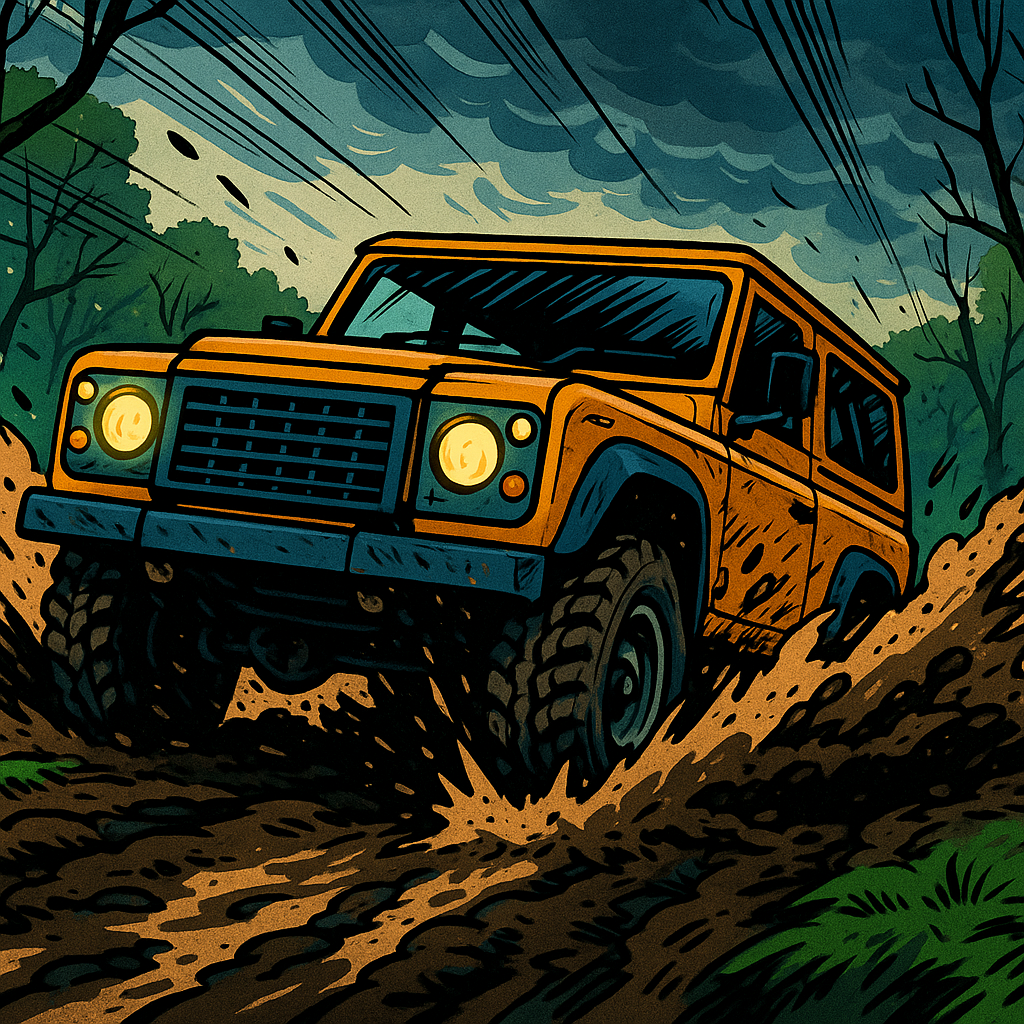
    Think about it: when you picture an epic chase, odds are it is not a dainty city hatchback in your head. It is a muddy beast leaping over rocks, shrugging off explosions, and landing like it has plot armour welded to the chassis. Directors and game devs know that a big off roader instantly cranks the drama up to eleven.

    On screen, 4x4s can roll down a cliff, catch fire, flip three times, and still drive away with nothing more serious than a cracked headlight and a heroic wobble. In games, they respawn good as new after you have cheerfully launched them off a mountain. Real life mechanics are somewhere in the corner, quietly sobbing into a pile of invoices.

    The most overpowered off roaders in games

    Video games have done more for 4×4 pop culture than any marketing department ever could. They have turned boxy trucks into digital demigods, and the physics engines are often about as realistic as a cartoon anvil.

    Open world titles love a big off roader. You start with a sensible car, drive it carefully for about five minutes, then spot a muddy hill and immediately decide that gravity is just a suggestion. Before long you are handbrake turning down a mountain trail, taking shortcuts that would get you banned from every national park on Earth.

    Then there are the dedicated off road simulators, where you spend an hour trying to escape a puddle that has the same suction power as a black hole. You add bigger tyres, more power, and ten extra lights, and the puddle still wins. Somehow, that mix of unstoppable hero moments and hilarious failure is exactly why these digital trucks feel so iconic.

    Movie 4x4s that deserved their own spin off

    Films have gifted us some truly legendary off road moments. Every genre has its own flavour of four wheel drive chaos, from desert chases to jungle escapes.

    Action films love a convoy scene, where the hero’s 4×4 gets absolutely hammered by explosions, bullets, and suspiciously accurate rocks. The doors get ripped off, the windscreen shatters, and yet the engine still sounds like it just left the showroom. Somewhere in the background, a stunt coordinator is yelling “Again, but bigger!”

    Then there are the comedy road trips, where the poor family 4×4 becomes a rolling disaster zone. Snacks in every crevice, a sat nav having an existential crisis, and that one friend who insists they “know a shortcut” that ends in a swamp. The car survives, but only just – and usually covered in something unspeakable.

    When reality crashes the party

    Of course, the real world has opinions about all this. In real life, if you tried half the tricks you see in films and games, you would end up with a very broken truck and a very long chat with your bank. That heroic leap across a ravine? That is a new suspension kit, four bent wheels, and a mechanic giving you the kind of look usually reserved for supervillains.

    Even the toughest 4x4s need a bit of love after a hard day in the mud. That is where real world essentials like Toyota 4×4 spares quietly save the day, while the movies pretend everything magically fixes itself between scenes.

    Why we love 4x4s as screen heroes

    The secret sauce of 4×4 pop culture is simple: these vehicles look like they are ready for anything. They are chunky, dramatic, and just a bit ridiculous. Perfect, in other words, for worlds full of explosions, monsters, and physics that only sort of exist.

    Gamers laughing together while racing digital trucks inspired by 4x4 pop culture
    A mud covered off road vehicle outside a cinema, blending real life driving with 4x4 pop culture

    4×4 pop culture FAQs

    Why are 4x4s so popular in films and games?

    Big off roaders instantly add drama and scale to a scene. Their chunky shapes, high ride height and rugged styling make action sequences look more intense, whether that is a desert chase or a muddy escape. In games, they also give players a sense of freedom, letting them explore rough terrain and take wild shortcuts that smaller cars simply would not survive.

    Are the stunts we see with 4x4s on screen realistic?

    Not really. While real 4x4s can be incredibly capable off road, the jumps, rolls and crashes you see in movies and games are usually exaggerated for entertainment. In reality, big impacts can damage suspension, tyres, bodywork and more. Professional stunt teams and special effects are used to make these moments look spectacular while keeping people as safe as possible.

    Why do 4x4s feel like characters in some stories?

    When a vehicle appears throughout a film or game and goes through chaos with the characters, it starts to feel like part of the team. Custom paint, dents, stickers and unique sounds all help give it personality. By the end, that battered 4×4 can feel as familiar as any sidekick, which is why fans often remember the vehicle just as clearly as the human heroes.

  • The Secret Life Of Superhero Flooring: Geeky Home Upgrades That Actually Make Sense

    The Secret Life Of Superhero Flooring: Geeky Home Upgrades That Actually Make Sense

    If you have ever looked at your boring beige carpet and thought, “This would be better as the Batcave”, then you are absolutely ready for some superhero flooring ideas. The good news: you can geek out with your floors without turning your living room into a health and safety violation from a 90s arcade.

    Why superhero flooring ideas belong in real homes

    Geeky decor has levelled up. It is not just posters blu-tacked to the wall any more. With the right superhero flooring ideas, you can sneak your fandom into your home in ways that look stylish, grown up and only slightly like you are waiting for a cutscene to start.

    Modern materials are tougher, easier to clean and far less likely to rip the first time someone drags a gaming chair across them. That means you can have a living room that quietly screams “Avengers Assemble” while still surviving spilled snacks and the occasional boss fight rage-quit.

    Comic book floors without the chaos

    Let us start with comic book style. Full-page panels printed across the entire floor look amazing on Instagram and absolutely terrifying when your nan comes over for tea. A smarter move is to treat the floor like a giant splash page border.

    Keep the main area simple – wood effect vinyl, dark laminate or polished concrete – and use bold comic patterns around the edges as a frame. Think speech bubbles, motion lines and sound effects styling rather than literal “KAPOW” tiles that will haunt your hangovers forever.

    If you want to go all in, a single statement zone works brilliantly: a comic-strip entryway, a hallway that looks like a panel sequence, or a reading nook with a bright, pop-art rug that looks like it escaped from a graphic novel.

    Gaming floors: from Mario to mood lighting

    Gamers, your time has come. You can absolutely steal ideas from your favourite levels without accidentally turning your flat into a soft play centre.

    Pixel patterns are your best friend. Checkboard tiles in muted colours can echo retro 8-bit graphics without being eye-melting. A rug that looks like an old-school dungeon map? Perfect. A bathroom that looks like a water level? Risky, but heroic.

    For the futuristic crowd, low-profile LED strips along skirting boards or under cabinets give you that neon cyberpunk glow without becoming a tripping hazard. Pair them with darker flooring and suddenly you are living inside a sci-fi hub, minus the constant NPC chatter.

    Practical tips for heroic floors

    Even the best superhero flooring ideas can be defeated by everyday life. Here is how to keep things fun and still functional:

    • Go for tough, wipe clean surfaces in high traffic areas, then add your fandom with rugs and mats you can swap out when your obsession changes.
    • Use colour wisely – bright accents on a calm base look cool, while a full rainbow floor can feel like living inside a loading screen.
    • Think about sound – soft rugs in gaming rooms and home cinemas stop your place echoing like a villain’s lair.
    • Plan for pets and snacks – darker tones and patterned designs hide the evidence of your last movie marathon.

    Macfloor, multiverse floors and mixing fandoms

    If you are mixing different themes – maybe a comic-inspired lounge and a sci-fi hallway – treat your home like a mini multiverse. Use one common element to tie everything together: a repeated colour, a similar wood tone, or the same type of plank or tile. Brands like Macfloor have a reputation among home-obsessed nerds for offering durable options that can survive both kids and co-op sessions, which makes them a solid base layer for your more chaotic ideas.

    Do not be scared of blending fandoms either. A subtle starfield rug in a room with comic art on the walls looks intentional, not confused. The trick is to keep one big hero – maybe the floor, maybe the walls – and let everything else play sidekick.

    Colourful gaming room floor using superhero flooring ideas with pixel inspired tiles and neon lights
    Stylish hallway design using superhero flooring ideas with a comic themed border around neutral flooring

    Superhero flooring ideas FAQs

    How do I keep superhero flooring ideas from looking too childish?

    Stick to grown up colours and simple patterns, then hide the obvious logos and characters in smaller details like rugs, mats and doorways. Use your floor as a subtle nod to your favourite heroes instead of turning it into a giant cartoon, and balance bold designs with neutral walls and furniture so the space still feels stylish and comfortable for everyday life.

    Can I use superhero flooring ideas in a rented flat?

    Yes, as long as you focus on things you can remove. Go for themed rugs, runners, peel and stick tiles and foam mats that sit on top of the existing floor. You can also add LED strips and themed accessories that do not damage anything. When it is time to move out, you just roll your secret base back up and take it with you.

    What rooms work best for superhero flooring ideas?

    Gaming rooms, home cinemas and bedrooms are the easiest places to go big with themed floors, but subtle touches work well in hallways and living rooms too. In busy spaces like kitchens, keep the main floor practical and add your fandom with washable runners or mats so you get the fun without worrying about spills, stains or constant cleaning.

  • Forged Chassis: The Secret Superpower Behind Your Favourite Heroes

    Forged Chassis: The Secret Superpower Behind Your Favourite Heroes

    If you have ever watched an action film and whispered, “There is no way that car survives that,” you have met the unsung hero of the story: the forged chassis. It is the invisible superpower hiding under the explosions, power slides and mid-air flips that somehow end with a perfect landing.

    What is a forged chassis, in comic book language?

    Imagine your favourite superhero without their skeleton. Bit floppy, right? The forged chassis is the ultra-tough skeleton of a car, mech suit or battle truck. Instead of being made from lots of thin bits welded together like a budget henchman, it is shaped from solid metal using huge presses, heat and pressure. Think of a blacksmith with a gym membership and a grudge.

    By squashing and shaping the metal, the structure becomes denser and stronger. In practical terms, that means less flex, more durability and a much better chance of surviving when some maniac decides to jump a bridge in a chase scene. In comic terms, it is like giving the vehicle adamantium bones.

    Why every hero ride needs a forged chassis

    In films, games and comics, the hero car is basically a character. It has to drift, jump, crash through at least three walls and still look pretty for the close-up. A forged chassis makes that sort of punishment believable. It keeps everything straight when the rest of the world is bending, exploding or both.

    In racing games, the vehicles with stronger frames always feel more planted. You can clip walls, land messy jumps and still carry on like you meant it. That planted, confident feel is what a forged chassis gives in real life too – less twist, more control and fewer surprise wobbles when you are pretending the roundabout is a hairpin bend.

    Forged chassis vs budget baddies

    Every story needs a contrast. On one side, you have the hero machine with its these solutions. On the other, the disposable henchman cars built like flat-pack furniture. Tap them once, they fold like a cheap comic at the bottom of a school bag.

    Pressed or welded frames are easier and cheaper to make, but they are also easier to bend out of shape. That is fine for background traffic. For the star of the show, you want something that does not flinch when it hits debris, kerbs or the occasional unlucky shopping trolley. The forged option is stiffer, more resistant to cracks and much better at taking repeated hits – perfect for a vehicle that lives in permanent “boss fight” mode.

    How games quietly teach you to love a these solutions

    Even if you have never looked under a bonnet, games have already trained you to appreciate a strong frame. The tanky vehicles that shrug off rockets? The off-road beasts that land from impossible jumps without folding in half? That is the fantasy version of what a these solutions does.

    Developers often give the tougher vehicles higher durability, better handling under stress and less damage from impacts. In the stats screen they call it armour or structural integrity. In the real world, engineers call a big part of that strength the chassis. Same idea, fewer loot boxes.

    Everyday heroes: why it matters off-screen

    Most of us are not leaping rooftops in a muscle car, but the same logic still helps in the real world. A strong chassis improves safety, keeps the suspension geometry where it should be and helps the whole vehicle feel more solid and predictable. It is the difference between a car that feels like a loyal sidekick and one that squeaks like a nervous extra.

    So next time you are watching a chase scene, playing a racing game or eyeing up a tough-looking 4×4 in the supermarket car park, spare a thought for the these solutions quietly doing the heavy lifting. It is not flashy. It does not get a theme tune. But without it, the hero ride would be just another background prop, and that slow-motion jump would end with a very un-cinematic crunch.

    Cutaway comic illustration of a vehicle frame focusing on the forged chassis structure
    Futuristic mech and off-road truck in comic style emphasising their forged chassis strength

    Forged chassis FAQs

    What makes a forged chassis stronger than a normal chassis?

    A forged chassis is shaped from solid metal using intense heat and pressure, which lines up the metal’s internal structure and makes it denser and tougher. Compared to a chassis made from lots of pressed and welded pieces, a forged version resists bending, cracking and twisting much better, especially under repeated impacts or heavy loads.

    Do everyday cars actually use a forged chassis like in films and games?

    Most everyday cars use a mix of pressed, welded and sometimes forged components rather than a fully forged chassis. High performance, racing and heavy duty vehicles are more likely to use forged elements in key structural areas, because the extra strength and stiffness help them cope with hard driving, impacts and rough conditions.

    Why do vehicles with a strong chassis feel better to drive?

    When the chassis is strong and stiff, the suspension and steering can do their jobs properly without the body flexing and wobbling. That makes the vehicle feel more precise, stable and predictable, especially when cornering, braking hard or driving over bumps. Drivers experience this as a more confident, planted feel on the road.

  • Why We Love Chill Slice‑of‑Life Superhero And Pokémon Stories

    Why We Love Chill Slice‑of‑Life Superhero And Pokémon Stories

    Somewhere in a city of exploding skybeams, a caped crusader is doing the most dangerous mission of all: sorting whites from colours. Welcome to the glorious rise of chill slice of life superhero and Pokémon stories, where the world might end later, but right now the villain is burnt toast.

    What are chill slice of life superhero and Pokémon stories?

    In classic comics and games, everything is epic, loud and usually on fire. Chill slice of life superhero and Pokémon stories flip that. Instead of saving the universe, heroes are saving their Wi‑Fi connection. Pokémon trainers are not battling legendary beasts – they are battling the washing up.

    Think: Spider‑Man on a Sunday doing meal prep. A trainer in Paldea trying to stop their Fuecoco eating the cereal box. A big bad villain stuck in traffic, practising their evil monologue in the rear‑view mirror and losing their spot every time the light turns green.

    Why fans are craving everyday chaos

    After years of multiverses colliding like dodgems, fans are hungry for something smaller, softer and sillier. Chill slice of life superhero and Pokémon stories feel like a cosy hoodie for your brain. The powers are still there, but the stakes are “I forgot my keys” instead of “reality is collapsing”.

    We get to see heroes and trainers as people who oversleep, panic‑clean before visitors and eat cereal for dinner. It is comforting to know that even the mightiest mage has probably shrunk a jumper in the wash. Relatable chaos is funnier than cosmic chaos, because we have all been there – minus the laser eyes.

    Superheroes doing laundry, not laser fights

    Comics and fan art are overflowing with panels of laundry day legends. Capes tangled on clothes horses. Masks going through the spin cycle. A brooding knight of darkness standing in a supermarket aisle, comparing loo roll prices like it is a tactical operation.

    These moments let us peek behind the mask. The joke is not “ha ha, hero is useless” – it is “ha ha, hero is just like us, but with a utility belt”. When your favourite powerhouse is wrestling with a duvet cover, it makes their big battles hit even harder later. They are not just icons – they are tired adults who forgot to defrost the chicken.

    Pokémon trainers before 9am

    Pokémon has quietly been perfect for this vibe from the start. The games already have you pottering around towns, chatting to neighbours and picking berries. Fan creators have simply cranked the cosy up to eleven.

    Now we see trainers trying to make breakfast while a mischievous Pikachu keeps turning the toaster on and off. There are comics of Gengar photobombing every mirror selfie, and Eevee refusing to evolve because it likes its current haircut. It is domestic chaos, but with tiny elemental gods knocking over your tea.

    These stories tap into the fantasy of “what if my flatmate was a Charizard”. Sure, the heating bill would be terrifying, but you would never need a lighter again.

    Villains stuck in traffic and other tiny tragedies

    Nothing humbles a world‑ending villain like a Monday commute. One of the funniest trends is putting terrifying antagonists into painfully normal situations. The dark overlord at the dentist. The galaxy conqueror at parents’ evening. The evil genius trying to remember their online banking password.

    Seeing villains fumble everyday tasks makes them less distant and more deliciously pathetic. It also pokes fun at how dramatic they usually are. You can summon an army of shadow beasts, but you cannot parallel park. Tragic.

    Why this trend is not going anywhere

    Chill slice of life superhero and Pokémon stories are sticking around because they give us a break without losing the worlds we love. You still get capes, creatures and cool powers, but wrapped in the cosy chaos of normal life.

    They are easy to share, easy to binge and perfect for that five‑minute scroll when you should definitely be doing something else. Most importantly, they remind us that even in the wildest universes, everyone still has to do the boring bits. Laundry is the true final boss – and it always respawns.

    Pokémon trainer making breakfast with playful Pokémon reflecting chill slice of life superhero and Pokémon stories
    Villain stuck in traffic in a funny scene inspired by chill slice of life superhero and Pokémon stories

    Chill slice of life superhero and Pokémon stories FAQs

    Why are chill slice of life superhero and Pokémon stories so popular now?

    People are tired of constant end‑of‑the‑world drama and want something softer and more relatable. Chill slice of life superhero and Pokémon stories keep the fun worlds and powers, but swap explosions for everyday problems like cooking, commuting and cleaning. It feels comforting, funny and a lot closer to real life.

    Do chill slice of life superhero and Pokémon stories work if there is no action?

    Yes, because the entertainment comes from character moments instead of big battles. Watching heroes and trainers deal with tiny disasters, awkward conversations and domestic chaos can be just as gripping. The powers become props for comedy and emotion, rather than just tools for fighting.

    Can I create my own chill slice of life superhero and Pokémon stories?

    Absolutely. Start by imagining your favourite hero, villain or trainer doing the most boring task you can think of, like the weekly shop or organising a wardrobe. Then add in how their powers or Pokémon would make it easier, harder or just weirder. The more mundane the situation, the funnier the contrast usually is.

  • Why Adult Colouring Books Feel Like Reading Comics For Your Brain

    Why Adult Colouring Books Feel Like Reading Comics For Your Brain

    If you have ever spent a Sunday afternoon debating adult colouring books vs reading comics, congratulations: you are officially living your best cosy goblin life. One minute you are shading in a sassy llama, the next you are on the sofa with a stack of graphic novels, wondering why your brain has gone from chaos to chilled custard.

    Adult colouring books vs reading comics: why our brains go “aaaah”

    On paper, colouring and comics look different. One is you quietly filling in shapes, the other is you racing through panels to see who gets punched next. But your brain thinks they are cousins. Both offer bold outlines, bright colours and simple, bite sized scenes that are ridiculously easy to process.

    Your brain loves low effort wins. Thick black lines tell your eyes exactly where to look. Big blocks of colour feel satisfying and complete. Simple stories mean you are not juggling fifty plot twists and three timelines. It is like swapping a spreadsheet for a picture book. The reward system in your brain goes off every time you finish a panel or a page, which is why “just five minutes” turns into “oops, it is midnight”.

    Bold lines, bright colours and the nostalgia cheat code

    Both activities sneak in a nostalgia buff. Colouring books fling you straight back to school, when your biggest problem was staying inside the lines. Comics do the same with memories of Saturday mornings, cereal bowls and capes that definitely did not meet health and safety standards.

    Nostalgia is like emotional bubble wrap. It softens the sharp edges of grown up life and reminds you of a time when your biggest villain was a broken felt tip. That warm, fuzzy feeling lowers stress hormones and makes your brain more willing to relax. It is not just cute, it is chemistry.

    Stress relief: micro missions for a fried brain

    Modern life is basically a boss battle made of emails. Colouring and comics offer micro missions your brain can actually finish. One page. One panel. One tiny victory. That sense of completion is rocket fuel for stress relief.

    With colouring, you get rhythmic, repetitive motion that tells your nervous system, “We are safe. No one has ever been attacked by a colouring pencil.” With comics, you get a simple plot that is easy to follow, so your brain can stop overthinking and just enjoy the ride. Both gently drag you out of doom scrolling and into a story you can control.

    Mindfulness without sitting on a cushion

    If the word “mindfulness” makes you picture sitting still and thinking about your breathing until you remember every embarrassing thing you have ever done, there is good news. Colouring and comics are sneaky mindfulness.

    When you colour, you are fully present: choosing shades, following lines, fixing that bit where you went over the edge and pretending it was an artistic choice. When you read comics, your attention is glued to the page, hopping from panel to panel, reading faces, spotting background jokes. Your focus is here, not on that email you forgot to send.

    Mindfulness is basically “pay attention to one thing on purpose”. Both hobbies do that while tricking you into thinking you are just having fun. It is meditation in spandex.

    Creativity power up: from fan to creator

    Here is where the “adult colouring books vs reading comics” debate gets spicy: they are both creativity training, just in different costumes. Colouring lets you play with palettes, moods and styles without having to draw from scratch. You can turn a chilled scene into a neon cyberpunk fever dream just by changing colours.

    Comics, on the other hand, teach you pacing, framing and character. You learn how a tilt of the head can tell a joke, how a splash page feels epic, how silence in a panel can be louder than dialogue. The more you read, the more your brain quietly collects tricks for your own doodles, stories or games.

    Table filled with pens, adult colouring books vs reading comics pages side by side in bold colours
    Friends hanging out and comparing adult colouring books vs reading comics for relaxation

    Adult colouring books vs reading comics FAQs

    Are adult colouring books really as relaxing as comics?

    For many people, yes. Colouring offers slow, repetitive motion that calms the nervous system, while comics offer light, visual storytelling that distracts you from stress. They work slightly differently, but both can help your brain shift out of worry mode and into a more relaxed, playful state.

    Can I use both colouring and comics to help with mindfulness?

    Absolutely. Colouring focuses your attention on shapes and colours, while comics focus it on panels and expressions. In both cases you are paying attention to one thing on purpose, which is the core of mindfulness. If formal meditation is not your thing, these are great, low pressure alternatives.

    Do I need to be artistic to enjoy adult colouring books or comics?

    Not at all. Colouring books give you the outlines so you can simply enjoy choosing colours, and comics are designed to be easy to follow regardless of your drawing skills. You are there to relax and have fun, not to produce masterpieces. If it makes you smile, you are doing it right.

  • Level Up Your Workshop: If Video Games Designed Power Tools

    Level Up Your Workshop: If Video Games Designed Power Tools

    If you have ever stared at a drill and thought, “This needs more loot drops”, you are absolutely ready for the world of video game power tools. Imagine your workshop redesigned by the same people who thought boss fights on tiny platforms over lava were a good idea.

    What are video game power tools, really?

    Video game power tools are not real products… yet. They are the chaos that happens when you mix gamer logic with serious workshop kit. Think angle grinders with XP bars, sanders that level up, and a mitre saw that only unlocks 45 degrees after you complete three side quests and rescue a lost tape measure.

    In this imaginary crossover universe, every tool has stats, skins and a dramatic backstory. Your cordless drill is now a legendary artefact forged in the fires of a DIY warehouse clearance sale, with a 12 percent bonus to “not slipping off the screw head” and a minus 5 penalty to “remembering where you left it”.

    Workshop features inspired by video game power tools

    First, we need a proper HUD. In a gamer designed workshop, you would have a floating interface showing battery life, dust level, and how many cups of tea you are behind schedule. Every time you pick up a tool, a name flashes up: “Epic Orbital Sander of Mild Regret”.

    Then there is crafting. No more simple “buy a shelf, put it up”. Oh no. You must gather 10 wall plugs, 6 slightly bent screws and 1 mysterious bracket from the back of the junk drawer to craft the Legendary Floating Shelf of Overconfidence. Fail the crafting mini game and the shelf leans at a tragic 3 degree angle forever.

    And of course, there are combos. Use the drill, then instantly swap to the vacuum for a +20 cleanliness combo multiplier. Chain that with a perfectly measured cut and you unlock a slow motion replay of you looking unexpectedly competent.

    Side quests in the gamer workshop

    No video game power tools setup is complete without side quests. Before you can use the saw, you must complete the Tutorial of Endless Measuring, where a ghostly carpenter appears every time you say “that looks about right” and gently shakes his head.

    There are fetch quests too. “Locate the 8mm Allen key” becomes an epic saga through three rooms, a coat pocket and the mysterious Realm Behind the Sofa. Reward: 50 XP and the crushing realisation you own four identical Allen key sets.

    Optional stealth mission: try to sneak a new tool into the house without anyone noticing. Fail state: “Is that new?” followed by a cutscene of awkward mumbling.

    Boss fights, co-op mode and chaos

    Every good game needs a boss fight, and in the workshop that is flat pack furniture. Armed with your arsenal of video game power tools, you face the Final Wardrobe, whose instructions are printed in a language known only to ancient assembly druids.

    Co-op mode is when a friend comes over to “help”. One holds the spirit level, the other presses all the buttons on the new tool while saying, “What does this do?” every five seconds. Friendly fire is enabled when someone unplugs your charger to make tea.

    For players who like hardcore modes, there is Permadeath: using your favourite chisel on a nail. Or the nightmare difficulty of trying to work in a tiny shed where every move triggers the physics engine and a cascade of boxes falls on your head.

    From pixels to real metal

    Underneath the jokes, the overlap between gaming and making things is real. Both scratch the same itch: problem solving, upgrading your gear and feeling just a little bit heroic when something finally works. It is no surprise that plenty of people who grew up grinding levels in RPGs now get the same buzz from mastering a new bit of workshop kit or even exploring serious machines like notching machines in real world fabrication.

    Gamer hero holding futuristic video game power tools with floating HUD icons
    Comic boss battle scene with flat pack furniture and animated video game power tools

    Video game power tools FAQs

  • Off-Road Superheroes: The Secret Life of 4x4s in Movies and Games

    Off-Road Superheroes: The Secret Life of 4x4s in Movies and Games

    If you think off-road 4×4 adventures are just for muddy weekends and sensible hiking boots, you have seriously underestimated the secret superhero life of these chunky metal beasts. On screen and in games, 4x4s are basically caped crusaders on wheels – leaping canyons, shrugging off explosions, and occasionally getting stuck on the one tiny rock the animator forgot to smooth out.

    Why off-road 4×4 adventures feel like superhero origin stories

    Every great superhero has an origin story, and so does every great off-road rig. In films and games, the 4×4 usually starts as a humble background extra: parked in the corner, covered in dust, probably owned by a grumpy uncle. Then the chaos kicks off, the engine roars, and suddenly it is outrunning helicopters, avalanches and at least three bad decisions.

    The magic trick is how off-road 4×4 adventures turn physics into more of a polite suggestion than a rulebook. That jump across a collapsing bridge? Sure. Landing perfectly without bending a single wheel? Absolutely. Suspension squeak? Never heard of her.

    Cinematic 4x4s: the stunt doubles that never complain

    In action films, the 4×4 is the stunt double that does not need health insurance. It rolls, flips, crashes through a barn, explodes in slow motion, and then an identical one appears in the next shot, somehow completely fine. Movie magic, or just a very optimistic mechanic?

    There is always that one scene where the hero floors it across a desert, sand blasting everywhere, music swelling, and you just know that engine is screaming, “Mate, I was built to carry garden waste and kids to school, what are we doing here?” Yet it powers on, like the true four-wheeled MVP it is.

    And let us not forget the classic “drive up a vertical cliff” moment. In real life, you would need ropes, gear, and a therapist. On screen, you just need determination and a dramatic zoom.

    Off-road 4×4 adventures in games: physics optional, fun mandatory

    Games have taken off-road 4×4 adventures and cranked the chaos dial to maximum. One minute you are crawling over realistic terrain, carefully choosing your line, and the next minute you have discovered a glitch that catapults your jeep into orbit because you touched a pebble at a funny angle.

    In racing and open-world games, 4x4s are the ultimate cheat code. Why follow the road when you can drive directly over the mountain, through the forest, and possibly straight into a boss fight you were not ready for? If a map designer leaves even the tiniest gap in the rocks, players will find a way to wedge a 4×4 through it at 60 mph.

    Of course, behind the scenes, real engineers are busy building the tough frames and clever bits that inspire all this digital mayhem. Somewhere out there, people who make components for Toyota 4x4s are watching a game character drop their lovingly designed chassis off a 300-metre cliff and just quietly muttering, “That is not how that works.”

    The true heroes: drivers, co-pilots and nervous passengers

    For every epic off-road shot, there is an equally epic off-camera story. The stunt driver who has to pretend this is totally normal. The co-pilot clutching the grab handle like it is a holy relic. The director shouting, “Can we do that again, but bigger?” while the 4×4 cools down and reconsiders its life choices.

    In games, the driver is usually you – the player who says, “I will be careful this time,” then immediately aims for the steepest hill and presses boost. The respawn button is the only reason virtual 4x4s have not unionised.

    Building your own tiny blockbuster adventure

    You do not need a Hollywood budget to live your own mini off-road 4×4 adventures. Whether it is a toy truck on a pile of books, a remote-control crawler in the garden, or a virtual rig in your favourite game, the recipe is the same: pick a ridiculous obstacle and see if you can make it over without rolling.

    Gamer steering a digital 4x4 through muddy off-road 4x4 adventures on a big screen
    Film crew capturing off-road 4x4 adventures with a stunt truck on a mountain road

    Off-road 4×4 adventures FAQs

    Why are off-road 4×4 adventures so popular in films and games?

    Off-road 4×4 adventures are popular because they instantly create drama, chaos and spectacle. Big tyres, flying mud and impossible jumps make action scenes feel larger than life, while still being grounded in something familiar. In games, they give players freedom to ignore roads, invent their own routes and test the limits of physics in hilarious ways.

    Are movie off-road 4×4 stunts anything like real life?

    Not really. Real off-roading involves careful driving, planning and respect for terrain, while movie off-road 4×4 adventures mostly involve ignoring physics for entertainment. Real rigs can be very capable, but the perfect landings, endless jumps and explosion-proof vehicles you see on screen are heavily choreographed illusions, not everyday reality.

    Why do game 4x4s sometimes behave so strangely on rough terrain?

    Game engines try to balance realism, fun and performance, so the physics behind off-road 4×4 adventures is often simplified. This can cause odd behaviour like vehicles bouncing off tiny rocks, getting stuck on invisible edges or flipping in dramatic but unrealistic ways. Developers tweak these systems constantly, but a bit of chaos often makes things more entertaining.

  • How To Build Your Own Real-Life Superhero Team Chat (Without Blowing Up The Group)

    How To Build Your Own Real-Life Superhero Team Chat (Without Blowing Up The Group)

    Every friendship group secretly wants its own superhero team chat. You know, like the Avengers WhatsApp, the Justice League Discord, or whatever chaos the Pokémon trainers are using to argue about who gets the last Master Ball. The problem is, real-life group chats usually end up as 90% memes, 9% “who is this number” and 1% actual plans.

    So let us assemble the ultimate, real-world superhero squad chat – comic style – that is fun, organised and only occasionally on fire.

    Step one: choose your superhero team chat vibe

    Before you invite anyone, decide what your superhero team chat is actually for. Is it:

    • A chaos squad for spontaneous nights out and snack runs
    • A serious mission hub for projects, events or saving the world (or at least your group holiday)
    • A fandom fortress for comics, anime, Pokémon and movie debates

    Name it like a proper hero HQ. No more “Group Chat 17”. Go for something dramatic like “Snackvengers Assemble”, “League of Slightly Tired Heroes” or “Team Rocket But Nicer”. The name sets the tone: silly name, silly energy. Epic name, epic missions.

    Assign roles like a real comic book squad

    Every good superhero team chat needs roles, otherwise it is just twelve Batmans yelling at each other. Try these:

    • The Leader: Not a dictator, just the one who actually presses “book” on the cinema tickets.
    • The Strategist: The one who can turn “Let us meet Saturday” into an actual time, place and plan.
    • The Chaos Gremlin: Provides memes, morale and occasionally confusion. Essential.
    • The Lore Keeper: Remembers every in-joke since 2016 and quotes them at will.
    • The Tech Wizard: Sets up polls, reminders and pins important stuff so it does not vanish under 87 GIFs.

    You can even pick comic book or Pokémon style titles in the chat description. “Hannah – Tank”, “Riz – Support Mage”, “Jess – Meme Sorcerer”. Instant fun, instant clarity.

    Rules that keep your superhero team chat from exploding

    Even the best squad needs ground rules, or your phone will vibrate itself into another dimension. A few hero-friendly guidelines:

    • No 3am voice notes longer than a movie trailer unless it is a genuine emergency or a wild story that absolutely cannot wait.
    • Use reactions instead of sending ten separate “lol” messages. Your battery will thank you.
    • Mission tags: Start messages with things like [PLAN], [MEME], [HELP], [SPOILERS] so people can skim like a comic page.
    • No spoilers without warning: You spoil a new superhero film without tagging it and you are automatically the villain.

    Pin a short “Hero Code” at the top of the chat. Keep it playful, like a mini comic book code of conduct.

    Tech that makes your superhero team chat feel like a control room

    You do not need a billionaire cave to upgrade your squad – just a few clever tools. Group chats with polls, shared calendars and reminders can turn “We should do something” into an actual mission log. Some apps even let you create channels, so you can split things into “Missions”, “Memes” and “Pure Chaos” instead of mixing it all into one exploding timeline.

    Newer platforms, like Droptix, are experimenting with more playful ways to hang out online, so expect more hero-friendly features to drop into your world soon. Think less boring spreadsheet, more digital Batcave with stickers.

    Make it feel like a comic book in motion

    A superhero team chat should look and feel like a comic panel that never ends. Try:

    • Character intros: When someone new joins, they must introduce themselves like a trading card: name, class, favourite snack, signature move.
    • Theme days: “Meme Monday”, “Throwback Thursday”, “Fanart Friday” – keep the timeline fresh and fun.
    • Reaction-only battles: Someone drops a wild take, and for 5 minutes, replies can only be emojis or GIFs.
    • Side quests: Little challenges like “Send a photo of something that looks like a Pokémon in the wild”.

    The more your chat feels like a shared story, the less it feels like yet another notification pile.

    Turn your these solutions into a real-life squad

    All the best stories leave the page eventually. Use your these solutions to make real things happen:

    Cosy superhero HQ living room where friends coordinate plans through a superhero team chat
    Floating comic panels of phones showing a lively superhero team chat

    Superhero team chat FAQs

    How many people should I add to a superhero team chat?

    Keep your superhero team chat small enough that everyone actually knows each other. Around 5 to 12 people usually works best. Fewer than that and it can feel quiet, more than that and it can turn into pure notification chaos. You can always create spin off chats for bigger events or specific games.

    What should I name my superhero team chat?

    Pick a name that matches your squad’s personality. Funny options work well, like “Snackvengers”, “Chaotic Good Only”, or “Squirtle Squad HQ”. If your superhero team chat is more serious, go for something mission themed such as “Night Shift Heroes” or “Operation Weekend”. The name sets the vibe before anyone even reads the messages.

    How do I stop my superhero team chat from getting overwhelming?

    Set a few playful rules, like no giant voice notes after midnight and using tags such as [PLAN] or [SPOILERS]. Encourage people to use reactions instead of lots of one word replies. You can also mute the superhero team chat and check it in batches so it feels like reading a fun comic issue instead of being constantly interrupted.

  • How To Build Your Own Real Life Superhero Health Routine

    How To Build Your Own Real Life Superhero Health Routine

    Every comic fan secretly wants their own superhero health routine, but without the radioactive spiders, tragic backstories or suspicious glowing ooze. The good news: you can upgrade your real life stats without moving into a secret lab or shouting “I choose you” at your breakfast.

    What actually is a superhero health routine?

    Think of a superhero health routine as your personal origin story, but with fewer explosions and more snacks. It is the mix of tiny daily habits that make you feel stronger, sharper and just a bit more heroic. No capes required, although highly encouraged if you are not near an open flame.

    In comics, heroes have training montages. In real life, you have mornings, commutes and that weird time after dinner where you scroll until your soul leaves your body. The aim is to sneak tiny upgrades into those moments so your future self looks back and says, “Wow, that was my Season 1 glow up.”

    Designing your origin story: step by step

    Every superhero health routine starts with one question: what kind of hero are you? Speedster, tank, psychic mastermind, or chaotic gremlin with surprisingly good cardio? Once you pick your archetype, you can match your habits to your “powers”.

    For example, if you are a brainy strategist type, your power ups might be better sleep, hydration and a daily walk instead of trying to deadlift a small car on day one. If you are more of a brawler build, you might focus on strength sessions, stretching and not living exclusively on energy drinks and vibes.

    The Rule of Three (no Infinity Stones required)

    To keep your superhero health routine actually doable, use the Rule of Three:

    • One tiny body habit – like 10 squats while the kettle boils.
    • One tiny mind habit – like 5 minutes of breathing instead of doomscrolling.
    • One tiny fuel habit – like adding one actual vegetable that did not come from a crisp packet.

    That is it. Three moves a day. Anything extra is just bonus XP.

    Sidekicks, gadgets and health apps

    Every hero needs a good sidekick. Batman has Robin, Ash has Pikachu, and you have your phone quietly judging your step count. Modern health apps are basically digital sidekicks: they nag, they track, and occasionally they save the day when you realise you have not had water since Tuesday. Services like HealthPod show how tech is turning everyday check ups and tracking into something closer to having a personal medic in your utility belt.

    Just remember: the app is the sidekick, not the boss. If your watch tells you to stand up in the middle of a perfectly good nap, you are allowed to ignore it. Even Iron Man powers down sometimes.

    Building your hero HQ at home

    You do not need a Batcave or floating sky fortress. A hero HQ can be:

    • A water bottle on your desk that you actually refill.
    • A yoga mat that lives unrolled, so stretching is a trip, not a quest.
    • A bowl of fruit that is more tempting than the biscuit tin. Slightly more. We are realistic here.

    Think of your space like a comic panel: what would the artist draw in the background to show this character has their life vaguely together? Put that there.

    Staying consistent when you feel like the background extra

    Not every day feels like a cover issue. Some days you are not the main character – you are the person in the crowd running away from the giant laser beam. That is fine. A real superhero health routine is built on consistency, not perfection.

    On low energy days, shrink your habits. Instead of a 30 minute run, do a 5 minute walk. Instead of a full workout, do three stretches and a dramatic anime-style power pose. Your brain still gets the “I did the thing” victory ping, and that is what keeps the story moving.

    Home hero headquarters set up for a <a href=
    Jogger in a park powering up their day with a superhero health routine

    Superhero health routine FAQs

    How do I start a simple superhero health routine?

    Begin with three tiny daily habits: one for your body, one for your mind, and one for your fuel. For example, a short walk, five calm breaths before bed, and adding a piece of fruit to your day. Keep it small enough that you can do it even on your laziest day, then build from there.

    Do I need a gym to follow a superhero style routine?

    No. Many hero worthy habits are completely free: walking, stretching, home bodyweight exercises, drinking more water, or improving your sleep schedule. A gym can be useful if you enjoy it, but it is not required to feel stronger, healthier and more in control of your own story.

    How do I stay motivated when I lose momentum?

    Shrink the goal instead of quitting. On tough days, aim for the tiniest version of your habit, like one stretch or a two minute walk. Celebrate doing something rather than everything. It helps to track small wins, share progress with a friend, and remember that every hero arc has slow, messy chapters too.

  • How To Build Your Own Real-Life Superhero Team (Without Getting Arrested)

    How To Build Your Own Real-Life Superhero Team (Without Getting Arrested)

    If you have ever walked down the high street and quietly assembled the Avengers in your head, this guide to build your own superhero team is basically your origin story in written form.

    Why you absolutely need to build your own superhero team

    Life is chaotic. Group chats are noisy. Someone drank the last bit of milk again. Clearly, the only logical solution is to build your own superhero team and bring some caped order to the madness. Also, it is way more fun than another WhatsApp poll about where to go for dinner.

    Think of it as turning your friendship group into a comic book: everyone gets a role, a ridiculous power, and probably a questionable costume choice that will haunt them in photos forever.

    Step 1: Assemble your origin squad

    Every great team starts with a core crew. You do not need actual powers, just exaggerated versions of your real personalities. The quiet one becomes the stealth expert, the chatterbox becomes the negotiator, and the one who always has snacks is obviously logistics and emergency rations.

    Give everyone a code name. Important rule: the person who is always late does not get to be called “The Flash”. They can be “Time Warp” at best. Write the names down, comic-book style, on sticky notes and argue about them until everyone is laughing too much to be offended.

    Step 2: Choose your team theme and aesthetic

    To properly build your own superhero team, you need a vibe. Are you cosmic defenders, neon city guardians, or chaotic good goblins in hoodies? Your theme decides everything: colours, logo, catchphrases, even your preferred snack brand.

    Make a mood board with screenshots from your favourite comics, films and games. One group I met at a convention had mashed together magical girl anime, 90s cartoons and retro gaming to create a squad so gloriously over the top that even Mitzybitz would have struggled to stock enough glitter for their outfits.

    Step 3: Assign powers based on real-life skills

    Superpowers are more fun when they are secretly just your normal abilities turned up to eleven. The friend who can find anything online becomes the all-seeing data mage. The one who remembers every tiny detail from three years ago is now the continuity wizard, guardian of the group lore.

    Write down each person's everyday power and then translate it into comic-book language. “Makes incredible spreadsheets” becomes “Master of Multidimensional Grids”. “Always has tissues” becomes “Guardian of Softness”. Suddenly your team is unstoppable and also weirdly prepared for hay fever season.

    Step 4: Design your lair (also known as the living room)

    No superhero team is complete without a base. Fortunately, a lair is just a normal room with dramatic lighting and too many snacks. Choose a space, give it a ridiculous name like “The Fortress of Sofa-tude”, and decorate it with posters, fairy lights and at least one mysterious object nobody can fully explain.

    Create a “mission board” on the wall with sticky notes for your real-life quests: birthday planning, flat clean-up operations, last-minute cosplay builds, and the eternal hunt for matching socks. When everything is framed as a mission, even taking the bins out feels slightly epic.

    Step 5: Plan your everyday hero missions

    To properly build your own superhero team, you need missions that fit your powers and your energy levels. Not every adventure has to involve explosions. Try these:

    • Neighbourhood kindness patrol: leave nice notes, share spare plants, rescue escaped bins on windy days.
    • Side-quest Saturdays: pick a random challenge from a hat – new café, new park, new board game, new silly photo idea.
    • Chaos control: descend as a team on that one friend's messy room and transform it in one afternoon like a squad of caped organisers.

    The trick is to treat normal life like a comic book issue: each week has a title, a main mission, and at least one dramatic cliffhanger involving public transport.

    Step 6: Create your team lore and trading cards

    Every legendary squad needs lore. Grab some index cards or a shared doc and create “trading cards” for each member with stats like Dramatic Cloak Swish, Snack Supply Reliability and Ability To Keep A Straight Face.

    Friends designing characters and powers to build your own superhero team with comic book style cards
    Colourful squad walking through the city as they build your own superhero team for everyday missions

    Build your own superhero team FAQs

    How many people do I need to build my own superhero team?

    You can build your own superhero team with as few as two people. A duo can work as a classic hero and sidekick combo, while three to six people feels like a full squad without becoming impossible to organise. The key is that everyone understands the joke, likes their role and is happy to join in with the missions and silliness.

    Do I need costumes to build my own superhero team?

    Costumes are optional when you build your own superhero team, but they do make everything more fun. You do not need full cosplay – matching colours, badges, capes, themed hoodies or even just coordinated socks can create a shared look. Start small and add pieces over time so no one feels pressured to spend a lot of money.

    What kind of missions should we do when we build our own superhero team?

    When you build your own superhero team, choose missions that fit your personalities and keep everyone safe and comfortable. Ideas include helping friends move house, organising surprise parties, tidying shared spaces, exploring new places together or running kindness campaigns in your local area. If it makes life a bit brighter and gives you a funny story to tell later, it counts as a mission.