So you’ve watched one too many superhero films, poked around a comic shop window, and thought, “I could do this.” Welcome to the hobby that will absolutely reorganise your bookshelves and possibly your entire personality. Collecting comics in the UK is genuinely one of the most rewarding things you can do as a fan, but it can also feel like trying to decode a secret language when you’re just starting out. What’s a first print? Why does this copy cost £4 and that one cost £400? And why does every eBay listing say “rare” when it clearly isn’t?
Don’t panic. This guide will walk you through everything, without the snobbery and without the financial regret.
Where to Buy Comics in the UK Without Getting Ripped Off
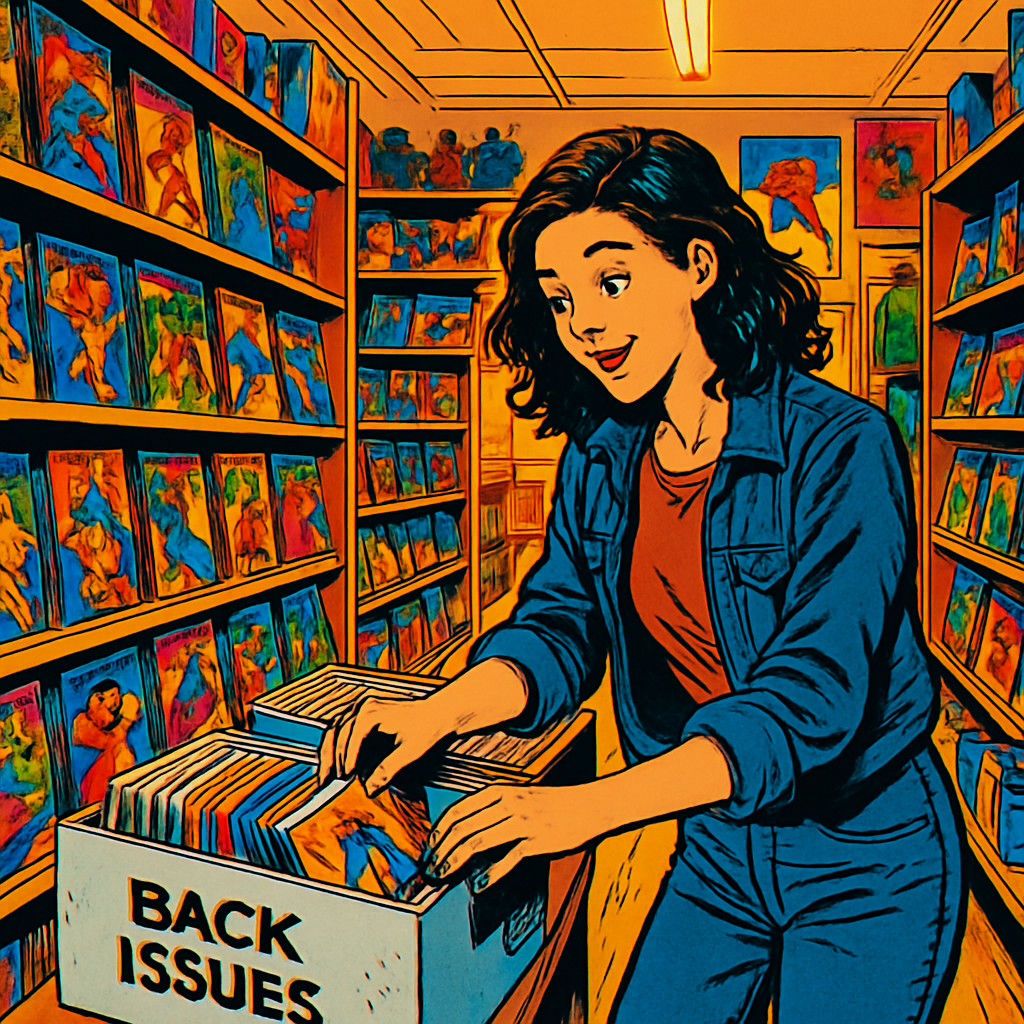
Your first port of call should always be your local independent comic shop. Not only do these places carry new issues every Wednesday (yes, Wednesday, it’s a whole thing), but the staff are usually obsessive nerds who genuinely want to help you build a collection that suits your taste and budget. Use the Comic Shop Locator at comicshoplocator.com to find your nearest one.
For back issues and older runs, charity shops are criminally underrated. People donate comics constantly, and a 50p copy of a 1990s Spider-Man issue is an absolute treat. Car boot sales, local Facebook Marketplace listings, and comic fairs are similarly brilliant for picking up bulk lots at sensible prices.
Then there’s eBay, which is both a wonderland and a trap. More on that shortly.
Understanding Comic Grading Basics
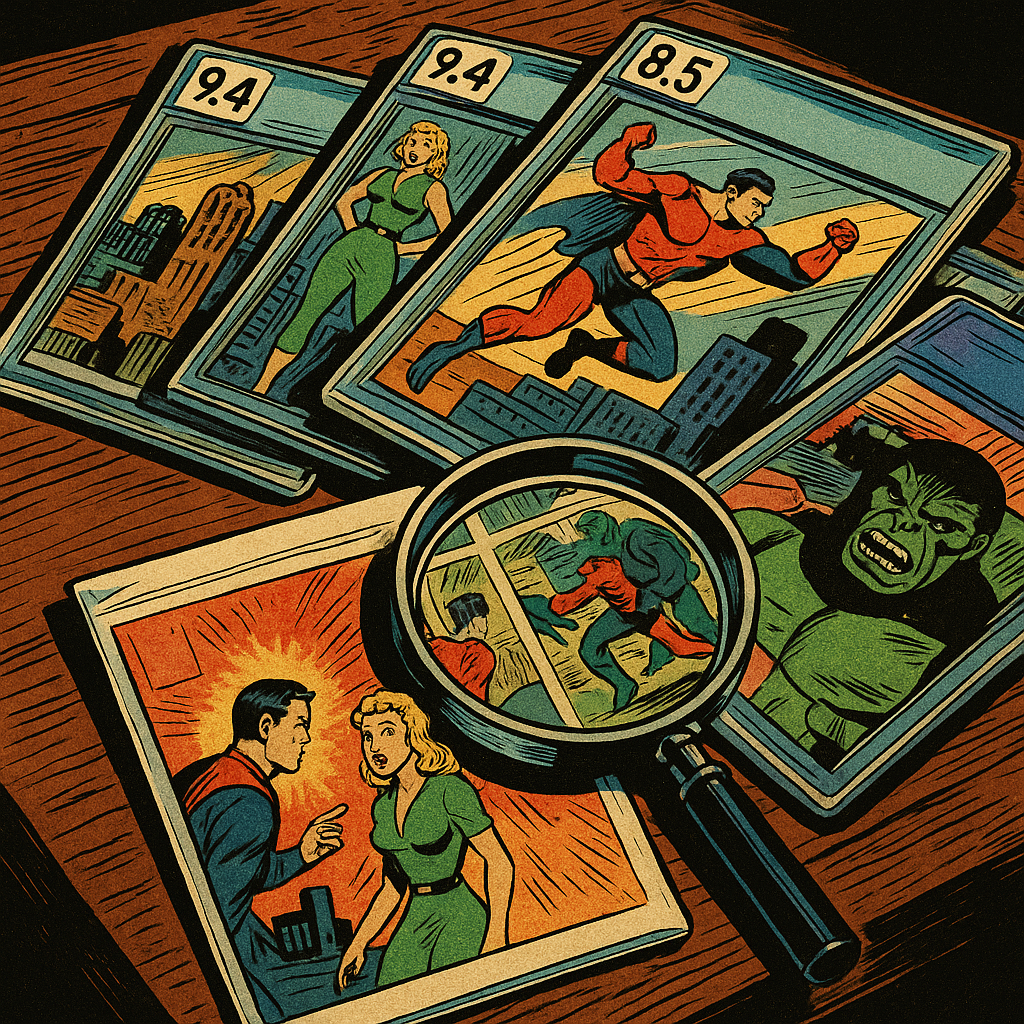
Grading is how collectors describe the physical condition of a comic, and it matters a lot for pricing. The standard scale runs from Poor (basically held together by hope) up to Near Mint (practically unread, spine intact, no creases). Here’s a quick cheat sheet:
- Near Mint (NM): Almost perfect. Flat, bright, sharp corners.
- Very Fine (VF): Light wear, minor stress lines, still looks great.
- Fine (FN): Some creasing or small marks, but fully readable.
- Good (GD): Noticeable wear, possible spine roll, still intact.
- Poor/Fair: Damaged, missing pages, possibly been used as a coaster.
For reading copies, condition barely matters. For anything you want to resell or that you think might be valuable one day, condition is everything. A Near Mint first print can be worth ten times a Fine copy of the same issue.
How to Spot a Valuable Comic (Without a PhD)
Not every old comic is worth a fortune, and not every expensive comic is old. Value comes from a combination of factors: first appearances of major characters, low print runs, key story moments, and collector demand driven by films and TV shows.
When collecting comics in the UK, the comics most likely to spike in value are those tied to characters entering the mainstream. When a character gets announced for a big film or streaming series, their debut issue can jump in price almost overnight. The trick is to get there before the announcement, which requires following comic news and having a little faith in your own instincts.
A useful tool is GoCollect or MyComicShop, both of which track recent sales prices so you can see what comics are actually selling for rather than just what sellers are asking. That gap is often enormous.
How to Avoid Overpaying on eBay
eBay is where the fun begins and the money disappears, so you need a strategy. Here are the golden rules for any beginner:
- Always check “Sold” listings, not just “Active” ones. A seller can list a comic for £200, but if nothing similar has actually sold for more than £20, that listing is fantasy pricing.
- Watch out for vague condition descriptions. “Good condition” to a non-collector might mean it survived a flood. Insist on clear photos of the front, back, spine, and staples before bidding.
- Be suspicious of anything listed as “rare” or “HTF” (Hard To Find). If there are 47 copies on eBay right now, it is neither.
- Factor in postage. Some sellers price the comic low and hike the postage. Always check the total before you commit.
It’s also worth thinking practically about your collection as it grows. Storing and displaying comics properly means using acid-free bags and boards, keeping them away from direct sunlight, and ideally storing them in a cool, dry space. On that note, if you’re ever sorting out a property and thinking about energy ratings, you might find epc services surprisingly useful for keeping your storage environment consistent and your bills down.
Starting Small: The Best Approach for New UK Collectors
The single biggest mistake new collectors make is trying to collect everything at once. Pick one character, one title, or one era and go deep rather than wide. Whether it’s classic 2000 AD issues, the original Watchmen run, early Marvel UK publications, or a current ongoing series you love, focus gives your collection a narrative and stops you haemorrhaging money on random issues with no connection to each other.
Collecting comics in the UK also means taking advantage of trade paperbacks and collected editions, which bundle entire story arcs into a single affordable volume. These are brilliant for getting up to speed on a character’s history before you start hunting individual issues, and they look great on a shelf without needing bags and boards.
Above all, collect what you actually love. The hobby is supposed to be joyful, a little obsessive, and occasionally ridiculous. You don’t need to chase the most expensive books or impress anyone. Find the stories that make you buzz, protect them properly, and enjoy the fact that you now own a tiny piece of illustrated history. Just maybe set a monthly budget before you open eBay. Just maybe.
Frequently Asked Questions
Where can I buy comics in the UK for cheap?
Charity shops, car boot sales, and local Facebook Marketplace groups are brilliant for budget finds. Independent comic shops often have bargain bins too, and comic fairs held across the UK regularly feature dealers selling older issues at reasonable prices.
How do I know if a comic is worth money?
Check for first appearances of popular characters, low print run indicators, and recent film or TV announcements tied to that character. Use GoCollect or MyComicShop to look up actual recent sale prices, which gives you a far more accurate picture than asking prices alone.
What does comic book grading mean and does it matter for beginners?
Grading describes the physical condition of a comic on a scale from Poor to Near Mint. For casual reading copies it matters very little, but if you’re buying anything with potential resale value, condition is critical as it can affect price by hundreds of pounds on key issues.
Is it worth getting comics professionally graded in the UK?
Professional grading through companies like CGC or CBCS adds credibility and protection to high-value books, but it costs money and takes time. For beginners, it’s generally only worth considering once you’ve identified a specific issue that might be genuinely valuable and you’re thinking about selling.
What are the best comic series to start collecting in the UK?
Classic runs like The Uncanny X-Men, Amazing Spider-Man, and 2000 AD’s Judge Dredd are always popular starting points. For modern collecting, following ongoing Marvel and DC titles tied to upcoming films is a smart move, as key issues can increase in value quickly after casting announcements.