Look, we’ve had some decent comic book games over the years. Spider-Man on PS5 is genuinely brilliant. Batman: Arkham City still holds up. But when you sit down with an absolute banger of a comic arc, the kind that has you reading at 2am going “they would never, they absolutely would never” and then they absolutely do, you can’t help thinking: this should be a game. Like, right now. Someone needs to be coding this immediately.
The gap between what comics do brilliantly and what games could do with that material is, frankly, criminal. So here’s my pitch. The best comic book storylines video game adaptations that don’t exist yet but absolutely should, complete with the gameplay mechanics each one is screaming for. Publishers, take notes. We’re doing this for free.
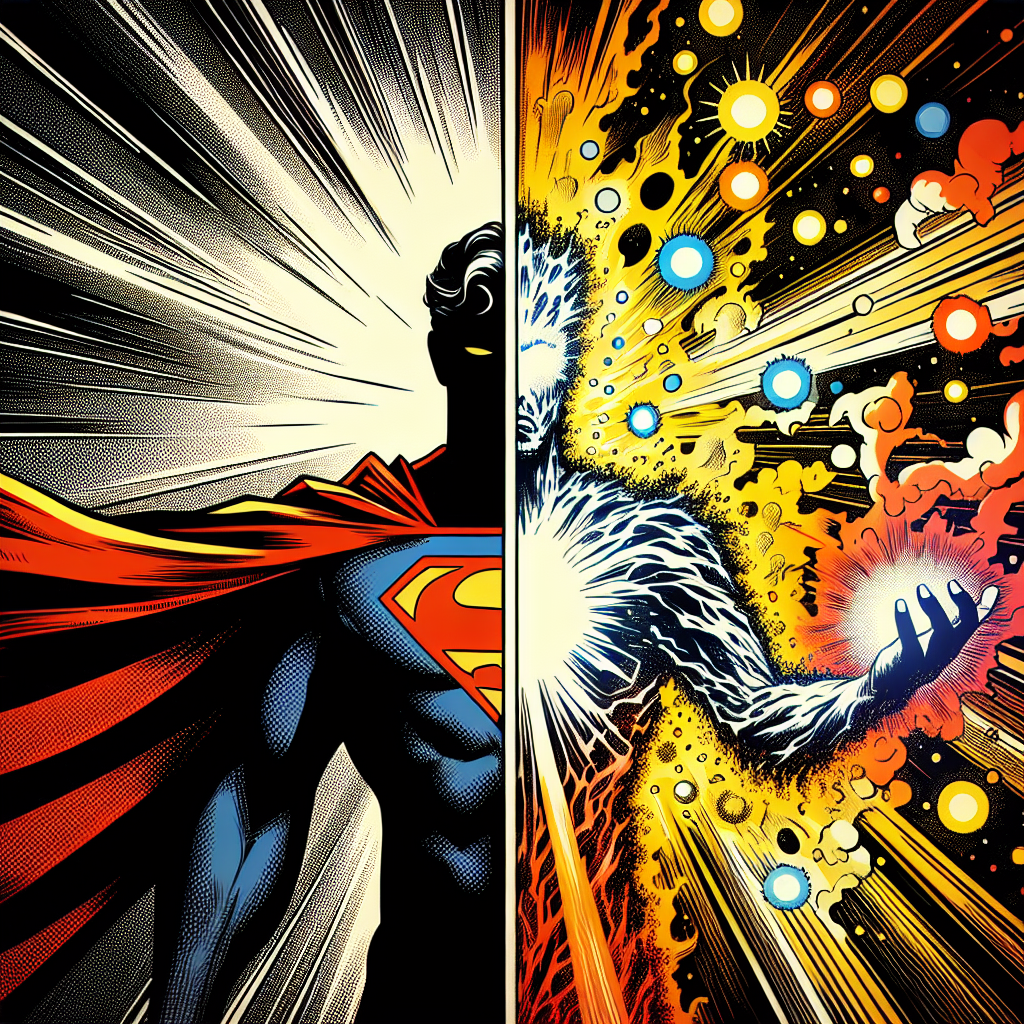
Knightfall: The Batman RPG Nobody Has Made Yet
Bane breaks Batman’s back. That’s the premise. If you’ve never read Knightfall, go find a copy from your local comic shop right now, I’ll wait. What makes this arc extraordinary isn’t just the spectacle of Bruce Wayne getting his spine rearranged like a bad game of Jenga. It’s the slow, methodical erosion of a man who thought he was unbeatable.
As a video game, Knightfall is practically a design document already written. You’d start at peak Batman, full gadget tree unlocked, Gotham bowing at your feet. Then Bane releases every villain from Arkham Asylum simultaneously, and you have to battle through dozens of encounters before facing him. The clever bit is the stamina system: every fight costs you. Push too hard and you’re going into the Bane encounter with broken ribs and blurred vision. It’s a stamina and resource management RPG where being Batman means knowing when NOT to fight, which is a genuinely novel mechanic we haven’t seen done properly.
The second act, where Jean-Paul Valley takes over the cowl and becomes increasingly brutal and unstable, plays beautifully as a moral choice system. The game tracks how far Azrael drifts from Bruce’s code and forces the player to reckon with whether the ends justify the means. Dark, psychological, brilliant. Someone give Rocksteady a ring.
Infinity Gauntlet: A Cosmic Strategy Game
Six Infinity Gems. One purple bloke with a chin you could park a bus on. Half of all life in the universe, gone in a snap. The Infinity Gauntlet storyline is one of the most operatic things Marvel has ever produced, and it has been, infuriatingly, reduced to being a movie reference twice over without anyone making the obvious game it deserves.
This is a turn-based strategy game with roguelite elements. You play as different heroes across separate campaign threads, each trying to gather intelligence and power whilst Thanos effectively plays god above you. The genius of this format is that no single hero is strong enough. You have to coordinate, rotate your roster, and accept that you will lose characters along the way. Permanently. That permadeath weight would make every decision feel cosmic in scale.
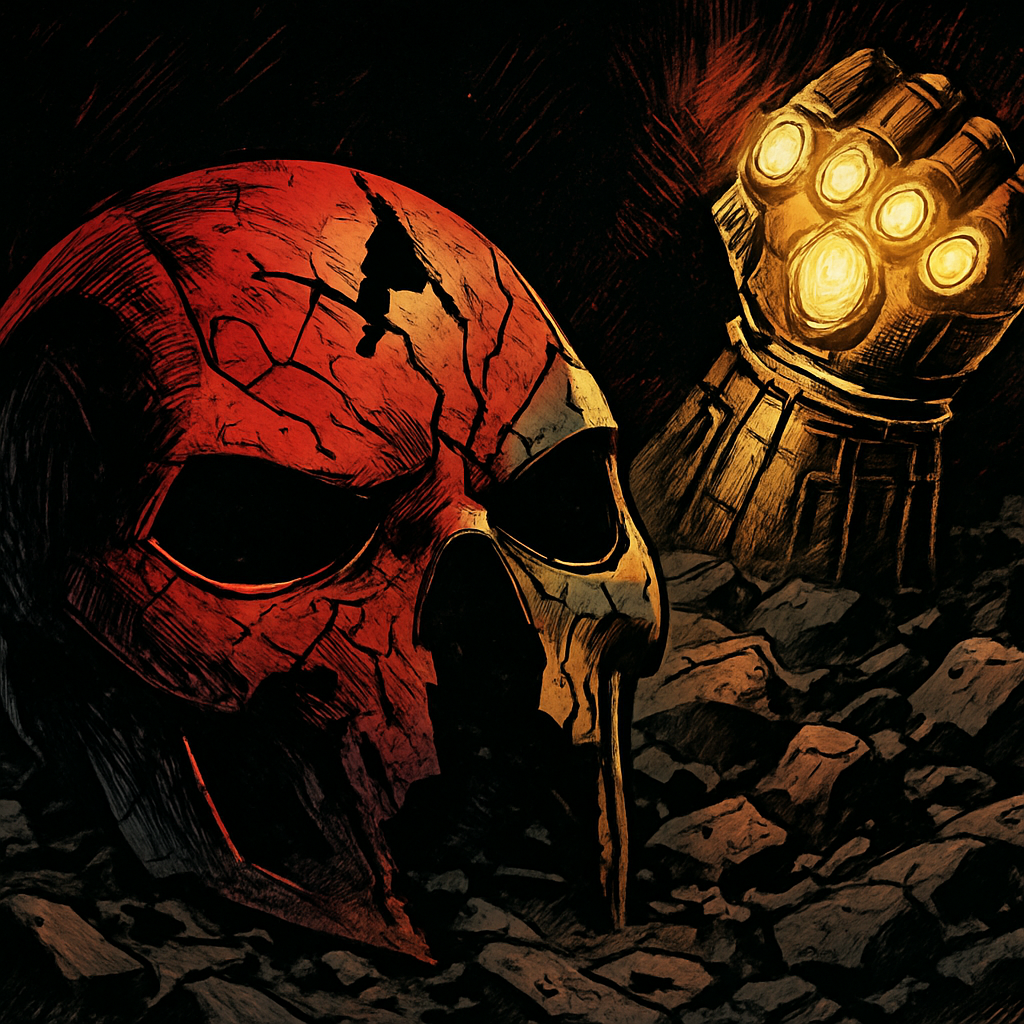
The Thanos sections, where you briefly play as the Mad Titan himself, are where it gets really interesting. Managing the Gems as separate power systems, balancing omnipotence against the narrative’s requirement that he ultimately fails because of his own psychology, that’s a mechanic nobody has cracked. Think XCOM meets Civilisation meets a proper weep at your keyboard. Magnificent.
Civil War: An Asymmetric Multiplayer Epic
Hero Registration Act. Iron Man says yes. Captain America says absolutely not, mate. The Marvel Civil War arc splits the entire superhero community down the middle, and the beautiful thing about it as a game concept is that it’s genuinely asymmetric. Neither side is wrong. Both sides have compelling arguments. That’s rare in fiction and almost unheard of in games.
Imagine a large-scale multiplayer game, something in the vein of Battlefield but with superheroes, where one team plays the pro-registration faction and the other plays the resistance. The gameplay evolves over time: registration heroes gain access to government resources, surveillance tech, and reinforcements. Resistance heroes have to rely on stealth, community support, and guerrilla tactics. The moral weight shifts depending on how each team plays. Win brutally and your side looks like the villain regardless of which team you’re on. The game rewards restraint and punishes excess. That’s something genuinely new.
According to BBC Newsround’s coverage of gaming culture, younger players increasingly want games that offer genuine moral complexity rather than simple good-versus-evil binaries. Civil War would deliver that in spades, whilst also letting you play as Spider-Man in a fight against Iron Man, which is obviously the real reason we’re all here.
The Dark Phoenix Saga: A Narrative Adventure With Cosmic Horror
Jean Grey absorbs the power of a dying star and comes back as something ancient and terrifying. The Dark Phoenix Saga isn’t really a superhero story at its core. It’s a tragedy about identity, about what happens when the people who love you can’t save you from yourself. It is, frankly, devastating.
As a narrative adventure game in the style of Disco Elysium or Pentiment, this arc would be extraordinary. You play as the X-Men trying to reach Jean through conversations, memories, and emotional confrontations, whilst also managing a wider crisis that keeps escalating. The combat is minimal on purpose. The point is the relationship mechanics. Can you find the right words? Can you make Jean remember who she is before the Phoenix burns it all away?
The final act, where the X-Men essentially have to decide Jean’s fate, would be a proper choice with consequences that echo through the rest of the game. No action sequence can carry that weight. Only writing and player investment can. This is where comic book storylines video game adaptations could genuinely expand what games are considered capable of emotionally.
Old Man Logan: Post-Apocalyptic Open World
The villains won. That’s the starting point. America has been carved up between supervillains, the heroes are dead or scattered, and an old, broken Wolverine who refuses to pop his claws lives quietly in a wasteland, just trying to pay his rent to the Hulk Gang. It is spectacularly bleak and I love every page of it.
As an open-world survival game, Old Man Logan writes itself. Think Fallout 4 but with a protagonist who literally cannot die, which creates its own unique horror. Logan’s immortality isn’t a power-fantasy here; it’s a curse. You survive things that should kill you, but the world keeps getting worse regardless. The Wasteland territories, ruled by different villain factions, each with their own rules and aesthetics, give you a genuinely varied open world to navigate.
The slow reveal of what made Logan stop fighting, the thing he did that broke him, works perfectly as a mystery layered through environmental storytelling and flashback sequences. By the time you get to that revelation, you’re so invested in this weathered, reluctant version of Wolverine that it genuinely lands. Games that make you feel the weight of a character’s history rather than just tell you about it are vanishingly rare. This arc is practically begging for that treatment.
Why Hasn’t This Happened Already?
The honest answer is licensing complexity and risk aversion. Big IP holders are cautious, publishers want proven formats, and the gap between a brilliant comic arc and a greenlit game budget is filled with meetings nobody enjoys. But the market for prestige comic book storylines video game adaptations has never been bigger. Insomniac’s Spider-Man series proved the appetite is enormous. The question is whether anyone is brave enough to go beyond the safe action-game format and trust players with something genuinely ambitious.
I’d bet on it happening within the next five years. Someone, somewhere, is pitching Knightfall right now. I just hope they get the stamina mechanic right.
Frequently Asked Questions
Which comic book storylines would make the best video game adaptations?
Knightfall, Infinity Gauntlet, Civil War, Dark Phoenix Saga, and Old Man Logan are all strong candidates because they each have built-in gameplay structures: resource management, strategy, moral choice systems, and open-world exploration. The best arcs for games are those where the story’s core tension can be expressed through player decisions rather than just cutscenes.
Has Knightfall ever been adapted into a video game?
Not directly, although elements of it appear in Batman: Arkham Origins and Batman: Arkham Knight. Bane features prominently in the Arkham series but the full Knightfall arc, with its stamina degradation mechanics and Jean-Paul Valley storyline, has never been given a full dedicated game treatment.
Are there any comic book games coming out in 2026?
Several titles based on comic properties are in development or recently released in 2026, with Marvel and DC both actively licensing game adaptations. The quality varies enormously, which is exactly why fans keep making the case for more ambitious, story-first approaches to the richest arcs in comic history.
What game genre would suit the Infinity Gauntlet story best?
A turn-based strategy game with roguelite elements and permadeath would be ideal, similar in structure to XCOM but with a Marvel cosmic scale. The arc’s ensemble cast and the sense that any hero could fall at any moment maps perfectly onto that genre’s strengths.
Where can I read the original comic arcs mentioned in this article?
Most of these arcs are available through Marvel Unlimited or DC Universe Infinite via subscription, or as collected trade paperback editions from UK comic shops and retailers like Forbidden Planet. Local comic shops across the UK stock these collections, and many libraries also carry graphic novel sections worth checking.