There is a very specific joy that comes from being so ridiculously powerful in a video game that enemies don’t just lose, they basically apologise before the screen fades to black. We’re talking about overpowered video game protagonists, the chosen ones, the godkillers, the characters who show up and the final boss genuinely considers going home early. These are the absolute units of gaming history, and I am here to celebrate every single one of them with all the affection and gentle mockery they deserve.
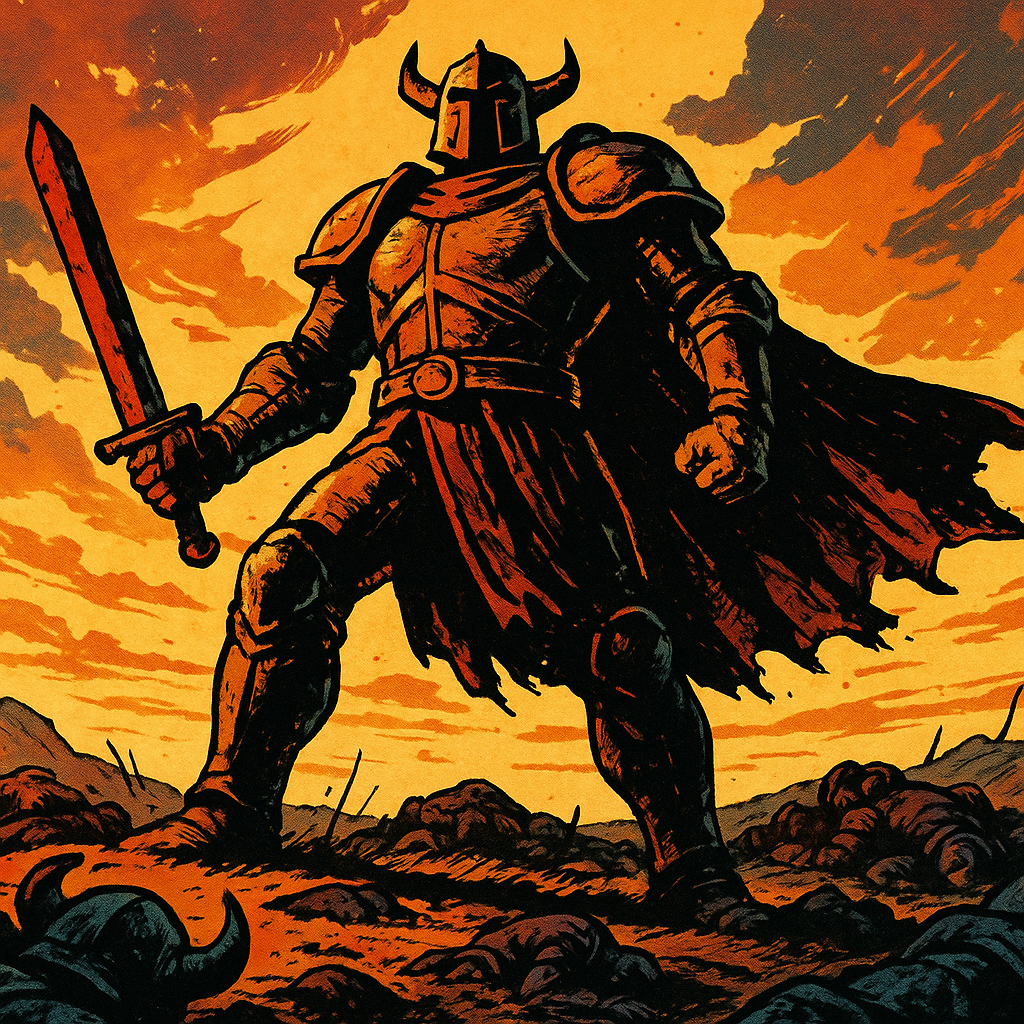
What Even Makes a Protagonist Overpowered?
To be truly, magnificently overpowered is an art form. Any game can hand you a sword. It takes special creative energy to hand you a sword, then also give you telekinesis, an immortal dragon soul, a nuclear railgun, and the ability to pause time while wearing armour that absorbs incoming damage and converts it into more power. The benchmark here isn’t just “strong”, it’s “enemies look at you and have an existential crisis”.
There’s a brilliant psychological reason we keep returning to these characters too. Researchers who study play behaviour note that a sense of competence is one of the core drivers of enjoyment in games. When you feel ludicrously capable, your brain is essentially throwing a small party. And honestly? After a rough Tuesday commute on the Northern line, being a literal demigod for a few hours is the best therapy going. The BBC has covered how gaming can serve as a genuine stress relief mechanism, and I suspect most of that research quietly involves someone playing as Kratos.
Kratos (God of War), The Gold Standard of Too Much
If overpowered video game protagonists had a hall of fame, Kratos would be the entire first floor. The man kills Greek gods the way you and I swat flies. He rips the sun out of the sky in one game. By the time the Norse mythology arc rolls around, he’s fighting actual world-ending entities and his primary concern seems to be that his son is eating enough. He exudes the energy of someone who finds the apocalypse mildly inconvenient. Yet we absolutely cannot stop playing as him, because every single encounter feels earned through pure spectacle. You don’t feel cheap playing Kratos. You feel like a force of nature dressed in war paint.
The Dragonborn (Skyrim), A One-Person Natural Disaster
Skyrim’s Dragonborn starts the game about to be executed and ends it having absorbed so many dragon souls that the actual fabric of reality bends to accommodate their shouting. The infamous “pacifist mage” build, the sneaky archer who can kill a mammoth from 300 metres, the warrior who wears armour enchanted to the point that it’s practically a second skeleton, all of them end up functionally invincible by act three. And yet we put in 200 hours every single time a new version drops. There’s something deeply comforting about returning to a world where you are, without question, the most dangerous thing in it.
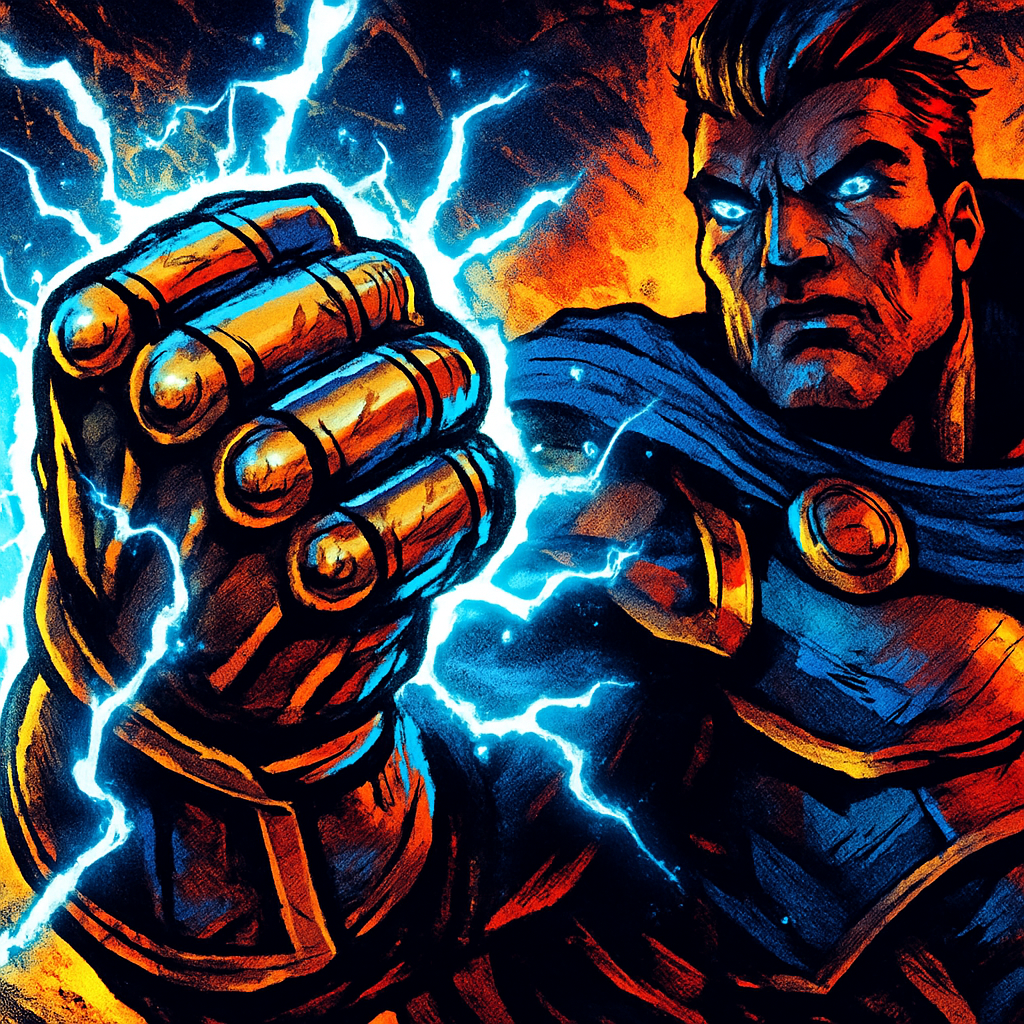
Dante (Devil May Cry), Overpowered With Excellent Hair
Dante from Devil May Cry is worth a special mention because he is overpowered in a way that seems almost performatively ridiculous. He surfs rockets. He uses a guitar as a weapon. He eats pizza while in the middle of boss fights. The game is stylish enough that you barely notice the difficulty has essentially been replaced with a dance-off you’re always going to win. And that’s the genius of it, DMC leans so fully into its own absurdity that the power fantasy feels like a feature, not a cheat. You’re not overpowered; you’re just that cool. The game told you so.
Commander Shepard (Mass Effect), Diplomatically Unstoppable
The overpowered status of Commander Shepard is interesting because it’s partly mechanical and partly narrative. By Mass Effect 3, a fully specced Shepard is borderline unkillable. But the real power is the galaxy bending around your decisions. Entire species rethink their politics because you walked into a room. Ancient civilisations with millions of years of headstart on humanity are taking your calls. Shepard’s power fantasy is less about combat and more about the idea that one determined person can, in fact, fix everything. Which, given the state of actual current events, hits a little harder than it used to.
Link (The Legend of Zelda: Tears of the Kingdom), An Engineer With a God Complex
Link in Tears of the Kingdom deserves a special overpowered category: emergent chaos. He’s not handed raw power so much as given a toolkit with which he immediately builds something that was never meant to exist and absolutely should not work. Want to attach five rockets to a piece of timber and fly into a Lynel’s face at 200 miles per hour? Go on then. The physics engine genuinely seems afraid of what you’ll do next. The game’s difficulty is entirely self-imposed, and players absolutely lean into that. There are recorded playthroughs where people have defeated Ganondorf using nothing but a wooden plank and pure stubbornness.
Why We Actually Love Being This Powerful
Here’s the honest psychological truth behind our obsession with overpowered video game protagonists: real life gives us very little control. You miss a train, the supermarket is out of the biscuits you specifically wanted, and someone has parked across your drive again. But in a game? You are the variable that changes everything. Every enemy, every puzzle, every world-ending threat exists to be dismantled by you specifically. That’s not laziness. That’s catharsis in pixel form.
There’s also a collector’s mindset at work. Building an overpowered character is genuinely satisfying as a long-term project. You optimise gear, learn mechanics, find the cheese strats that the developers either missed or quietly left in as a gift. It’s almost like putting together the perfect outfit for a big occasion. Knowing every piece slots together perfectly, from the boots to the Zip top handbags, when the whole look comes together, you feel unstoppable. Games tap into that exact same energy.
The Honourable Mentions You’d Shout at Us for Leaving Out
A quick and entirely deserved acknowledgement to the characters who nearly made the main list: Geralt of Rivia in a fully maxed build (he turns death into admin), Bayonetta (she fights angels using her own hair and this is considered a normal Tuesday), and any fully upgraded V in Cyberpunk 2077 who has essentially transcended the concept of being killed. Honourable, if slightly terrifying, mentions all round.
The overpowered video game protagonist is one of gaming’s most enduring archetypes for a reason. We come back to them not because they’re easy but because they’re freeing. In a world that requires patience and compromise and eating your greens, sometimes you just need to be an unstoppable force with a massive sword and absolutely no chill. Gaming gets that. Gaming has always got that. Long may the absolute units reign.
Frequently Asked Questions
Who is the most overpowered protagonist in gaming history?
Kratos from God of War is frequently cited as the benchmark, given he defeats literal gods, Titans, and world-ending threats across multiple mythologies. However, a fully maxed-out Dragonborn in Skyrim or Dante in Devil May Cry 5 are strong contenders depending on your build and tolerance for absurdity.
Why do players enjoy using overpowered characters in video games?
Psychologists point to ‘competence’ as a core driver of enjoyment in play, feeling powerful triggers genuine satisfaction and stress relief. Overpowered characters offer a sense of total control that real life rarely provides, making them deeply appealing after a long day.
Are overpowered protagonists bad for game design?
Not necessarily. Many overpowered characters are the result of intentional design choices meant to deliver a power fantasy, like in God of War or Devil May Cry. Problems only arise when the power imbalance removes all tension; great games balance the feeling of being unstoppable with moments of genuine challenge or emotional stakes.
What games let you become the most overpowered character possible?
Skyrim, The Witcher 3 on Death March then fully upgraded, Cyberpunk 2077 with a late-game netrunner build, and Elden Ring with certain broken weapon combinations are all popular picks. Tears of the Kingdom is a special case because the player essentially engineers their own overpowered status using the game’s physics systems.
Is Link from Zelda considered an overpowered protagonist?
In Tears of the Kingdom, Link’s power comes from the Ultrahand and Fuse mechanics rather than raw stats, meaning players create their own broken builds. Veterans of the game have documented strategies so absurd they barely resemble intended gameplay, which many fans consider a feature rather than a flaw.