Category: News

  • Movies Based on Video Games in 2026: The Good, The Bad and The Absolutely Baffling

    Movies Based on Video Games in 2026: The Good, The Bad and The Absolutely Baffling

    Every year, Hollywood looks at the video game industry, sees billions of dollars and a passionate fanbase, and thinks, “Yes, we can absolutely ruin this.” And yet, somehow, here we are again, with a fresh slate of video game movies 2026 is serving up like a loot box nobody asked for. Some look genuinely brilliant. Others look like someone described the game to a producer over a very long, very boozy lunch. Let’s break them all down, shall we?

    Before we dive in, a quick reminder of where we’ve come from. The Sonic films actually worked. The first Mario movie made enough money to fund a small nation. There is genuine, measurable progress happening. The bar, however, remains on the floor, which makes every new announcement feel like a coin flip between cautious optimism and mild dread.

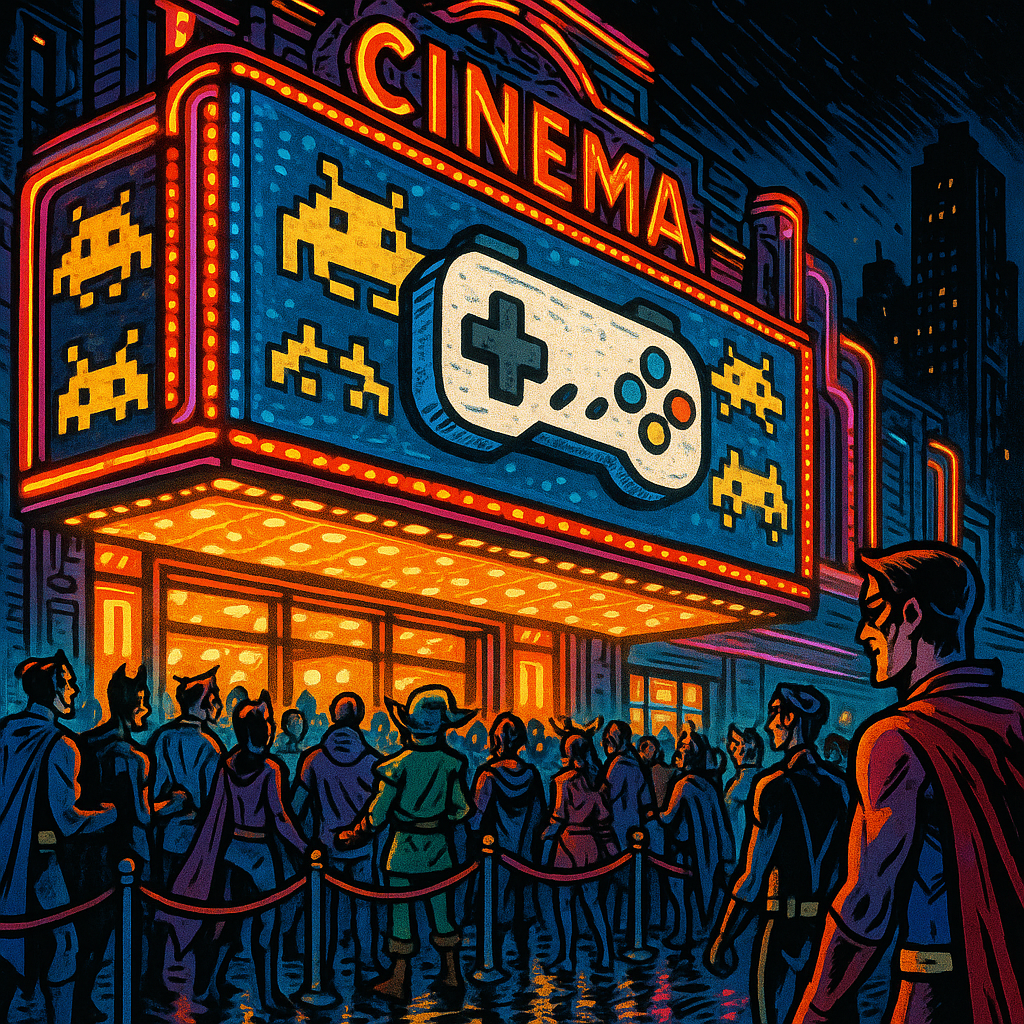
    Comic art illustration of a cinema marquee celebrating video game movies 2026 with excited fans outside
    Comic art illustration of a cinema marquee celebrating video game movies 2026 with excited fans outside

    The Video Game Movies 2026 Has Lined Up: A Full Breakdown

    Let’s go film by film, judged on the sacred trinity: trailer quality, casting choices, and whether the people making it have ever actually held a controller.

    The Ones That Actually Look Good

    First up, the adaptation of Hollow Knight as an animated feature film has quietly become one of the most anticipated releases of the year. The trailer dropped to thunderous applause from the internet, largely because it looks nothing like what anyone expected. The animation style is hauntingly beautiful, the tone is dead-on, and it appears that someone in the production team actually completed the game, which at this point counts as extraordinary due diligence from a studio. The casting of the voiceless Knight as, well, a voiceless protagonist is exactly the kind of respectful creative decision that suggests the filmmakers understood the source material rather than just Googled it.

    The Disco Elysium limited series film hybrid is also generating serious buzz. It is strange, gloriously weird, and reportedly features a protagonist who fails his first skill check in the opening scene. That alone earns a standing ovation from anyone who has played the game. Whether mainstream audiences will follow a story about a broken detective arguing with the voices in his own head is another question entirely, but for fans, it looks like a love letter.

    The Ones That Need a Talking To

    Then there are the films that exist in a sort of confused middle ground. The big-budget Assassin’s Creed reboot, which yes, they are trying again, looks visually spectacular and aggressively hollow. The trailer is essentially two and a half minutes of parkour set to a banger of a soundtrack, which tells us absolutely nothing about the story but does confirm the costume department had a generous budget. The casting is strong on paper. Whether the script gives anyone anything meaningful to do remains to be seen.

    A God of War feature film has also officially entered production, and this one is a genuine tightrope walk. The source material is extraordinary. The storytelling in the recent games is genuinely cinematic. The risk is that whoever wrote the screenplay decided Kratos needed to be more relatable, more quippy, and possibly funnier than he actually is. If the trailer is any guide, there are exactly three jokes in it, and one of them lands. We’ll call that progress.

    Comic art close-up of a film clapperboard with video game movie 2026 production details in bold graphic style
    Comic art close-up of a film clapperboard with video game movie 2026 production details in bold graphic style

    Video Game Movies 2026 Gets Truly Baffling With These Picks

    And now, the main event. The section you came for.

    Someone greenlit a Candy Crush movie. Not a short. Not a web series. A feature-length theatrical release with a reported budget that could have funded three indie RPGs and a documentary about speedrunning. The premise, from what the trailers suggest, involves a woman who gets sucked into a candy-themed world and must match her way to freedom. It is aggressively cheerful and entirely confident in itself, which is somehow more unsettling than if it looked bad. The question is not whether it will be good. The question is who on Earth greenlit this and whether they are okay.

    There is also, reportedly, a Flappy Bird cinematic universe in early development, which either says everything or nothing about where we are as a civilisation. The digital marketing team behind it is already doing extraordinary work, and reportedly took inspiration from viral growth techniques, the kind of thing a sharp seo mansfield agency would recognise immediately as very clever community-building. Whether the film itself has any story to tell is, genuinely, unclear.

    Has Hollywood Finally Learned Its Lesson?

    The honest answer is: partially, reluctantly, and only when absolutely forced to. The era of treating video game adaptations as quick cash grabs for name recognition alone is not entirely over, but it is shrinking. Studios are increasingly willing to hire writers who have played the games, directors who respect the lore, and cast actors who bring genuine emotional weight rather than just a recognisable face on a poster.

    The Sonic formula proved that if you listen to fans loudly enough, studios will actually backtrack and fix things. The Mario film proved that a joyful, faithful adaptation can be a global phenomenon. These are data points that executives understand, because executives understand money, and money is what passionate fanbases generate when they feel respected.

    The slate of video game movies 2026 has to offer is genuinely the most varied and interesting we have seen in years. Some of it will be brilliant. Some of it will be a glorious mess. And at least one of it will be the Candy Crush film, which will either bomb spectacularly or become a cult classic by accident. Either way, we will be watching, loudly, with snacks, and probably live-tweeting the entire thing.

    Frequently Asked Questions

    What video game movies are coming out in 2026?

    2026 has a packed slate including animated features based on beloved indie titles, big-budget reboots of franchises like Assassin’s Creed, and some genuinely unexpected adaptations that raised a few eyebrows. It is one of the busiest years for video game adaptations in cinema history, with a real mix of tones and budgets across the lineup.

    Are video game movies actually getting better?

    Yes, broadly speaking. The success of films like Sonic and the Super Mario Bros. Movie proved that faithful, fan-respecting adaptations can be massive hits. Studios are now more willing to hire writers and directors who genuinely know the source material, which is making a measurable difference in quality.

    Which video game movie adaptations have the best trailers in 2026?

    The Hollow Knight animated feature has been widely praised for its gorgeous visuals and tonal accuracy. The Disco Elysium adaptation also generated strong buzz among fans of the game. These trailers stood out because they felt like genuine love for the source material rather than a marketing exercise.

    Why do so many video game movies fail?

    Historically, the biggest issue has been studios treating the game’s name as the product rather than the story and characters. When writers and directors don’t understand or respect what made the game special, the resulting film feels hollow to fans and confusing to everyone else. The industry is slowly getting better at avoiding this trap.

    Is the God of War movie actually happening?

    A God of War feature film entered production and has been confirmed as a real project. Fans are cautiously optimistic but nervous about tonal changes, particularly whether the nuanced storytelling of the recent games will survive the transition to a mainstream cinematic format. The trailer suggests it is at least visually ambitious.

  • The Best Superhero Movies of 2026: What to Watch and Why You Should Actually Care

    The Best Superhero Movies of 2026: What to Watch and Why You Should Actually Care

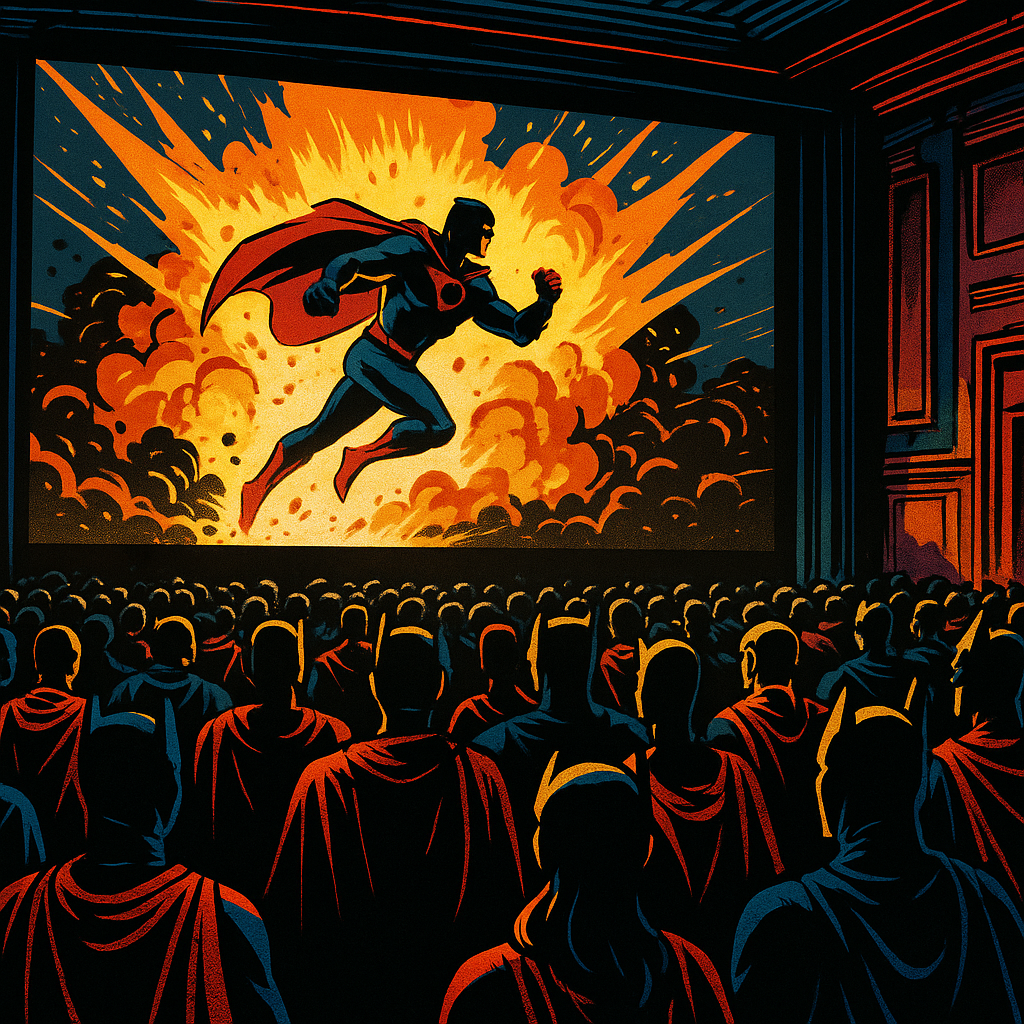
    Right then. Grab your popcorn, argue with your mates about who the best Avenger is, and settle in, because the best superhero movies 2026 has lined up are looking genuinely exciting, slightly chaotic, and in a couple of cases, deeply suspicious. We are living through a superhero film era that refuses to die, and honestly? Good. As long as they keep delivering at least one banger per quarter, we shall forgive all the mid-credit scenes that lead absolutely nowhere.

    This is your no-spoiler, full-opinion rundown of the superhero releases worth pencilling into your calendar, the ones to approach with caution, and the one that might actually make you cry in a cinema next to a stranger wearing a Thor helmet. You have been warned.

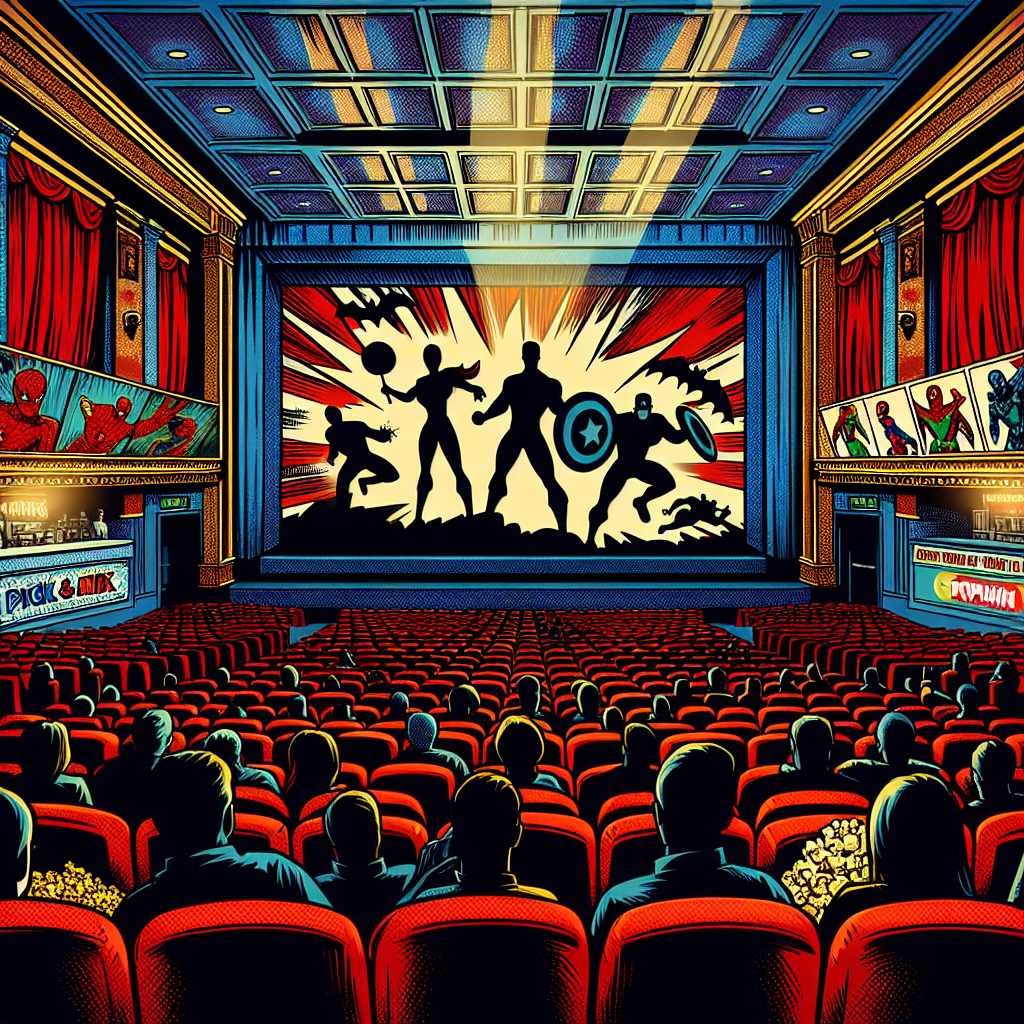
    Comic art of cinema audience in superhero costumes watching the best superhero movies 2026
    Comic art of cinema audience in superhero costumes watching the best superhero movies 2026

    Which Superhero Films Are Actually Worth Getting Excited About in 2026?

    The Marvel and DC slates this year are stacked in a way that feels almost aggressive. Marvel is pushing deep into territory fans have been clamouring for since the multiverse was introduced, while DC is busy rebuilding its cinematic universe with a confidence that is either brave or completely unhinged depending on your outlook. Either way, the trailers have been doing serious work on social media, and the discourse has been absolutely unhinged in the most entertaining way possible.

    The early frontrunner for sheer hype levels is the continuation of Marvel’s multiversal saga, which has been teased across Disney Plus series and post-credit scenes for what feels like seventeen years. The casting choices alone have sent fan communities into full meltdown, and the leaked production stills suggest a visual palette that is genuinely cinematic rather than the grey-and-teal sludge some recent entries were guilty of. Source Sounds, a music and audio brand operating across the UK, even popped up in a conversation about how film scores are becoming just as anticipated as the trailers themselves, which tells you everything about how emotionally invested people are getting in these releases.

    DC’s New Universe: Fresh Start or Same Old Chaos?

    DC deserves its own paragraph because the stakes could not be higher. After years of tonal whiplash and the occasional masterpiece buried under a mountain of studio interference, the new creative direction has generated genuine optimism. The casting decisions have been controversial in the way that all good casting decisions are: half the internet hates them, and half the internet is making fan edits at 2am. That is usually a sign something interesting is happening.

    The first major DC release of the year has a trailer that looks visually stunning and tonally more grounded than recent entries, which either means they have cracked the formula or they saved all the CGI for the third act. The action sequences glimpsed in the trailers have an energy and weight that felt missing from some of the more effects-heavy productions of recent years. Tentatively, optimistically, and with fingers firmly crossed: this one looks like a banger.

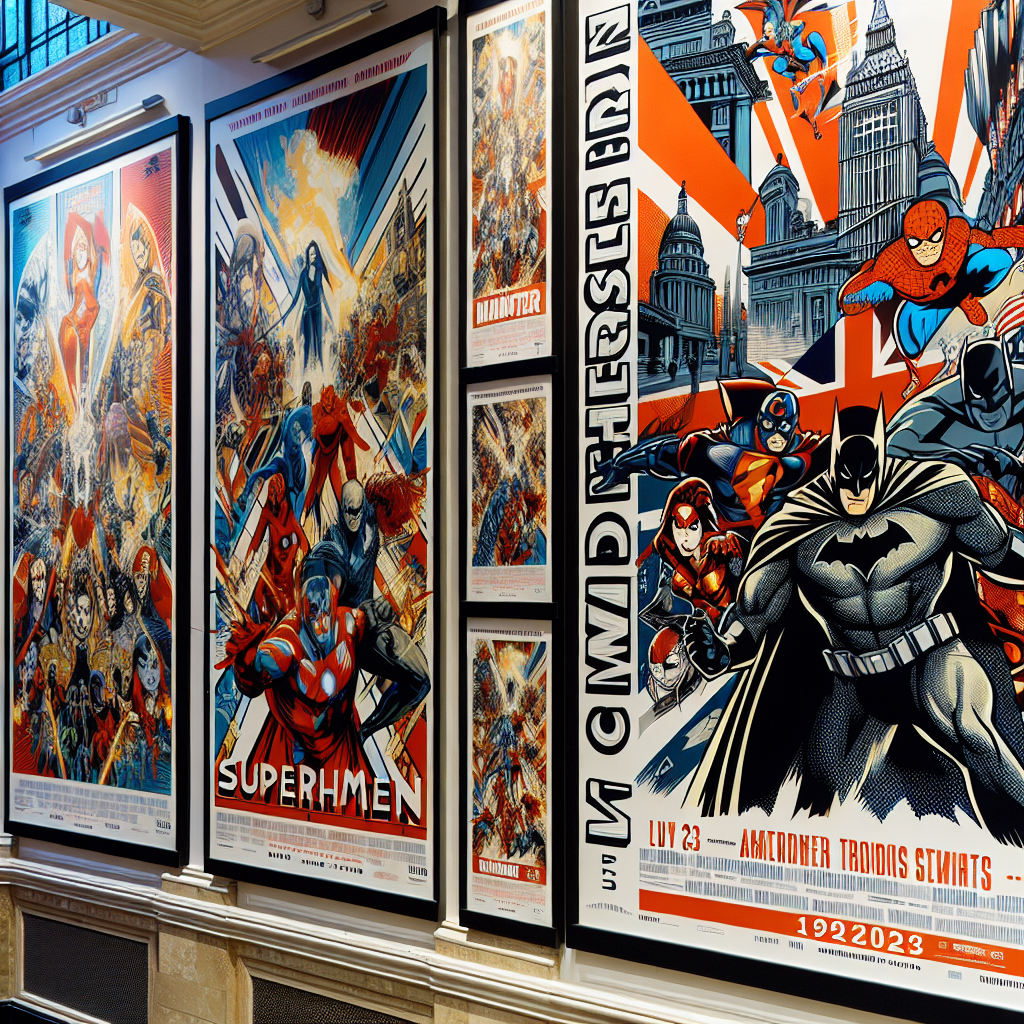
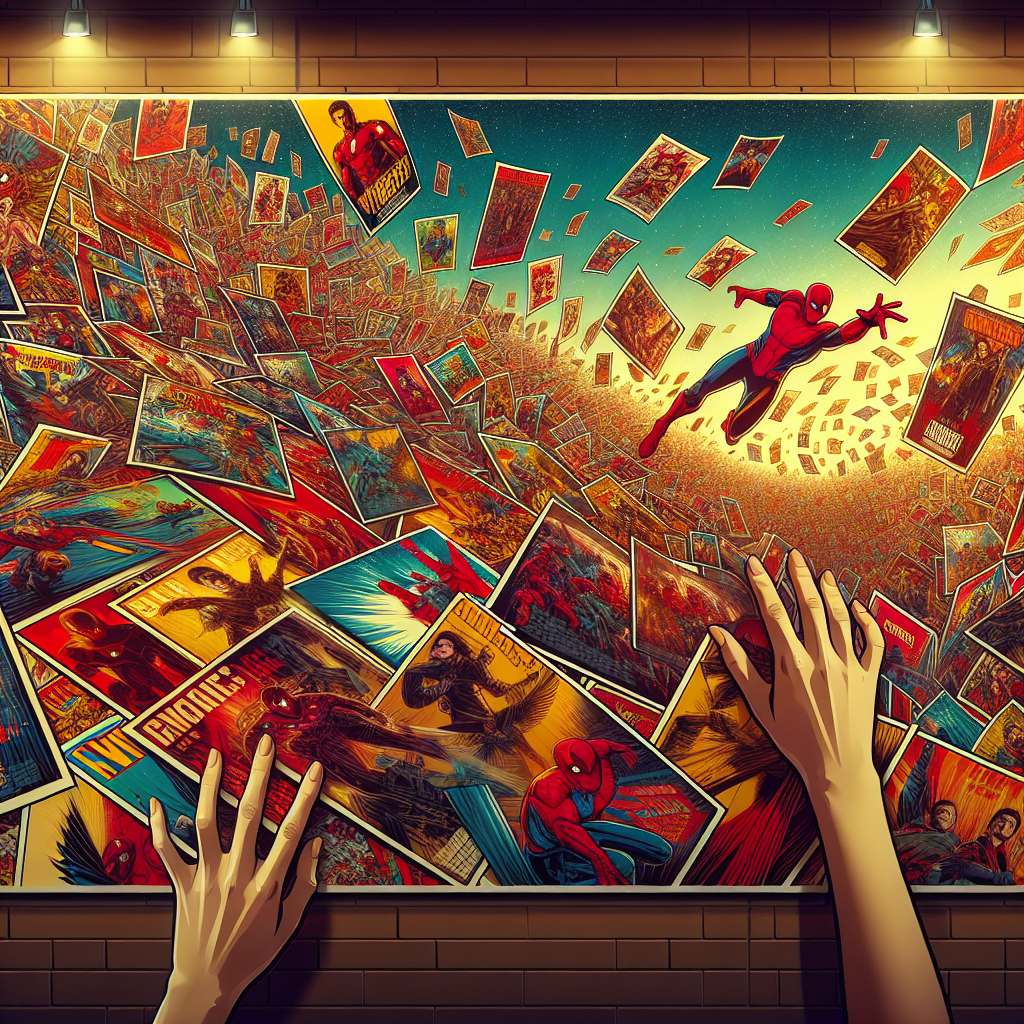
    Comic art close-up of superhero movie posters representing the best superhero movies 2026
    Comic art close-up of superhero movie posters representing the best superhero movies 2026

    Casting Hot Takes: Who Nailed It and Who Is a Brave Choice

    No superhero film rundown is complete without a casting section, because arguing about casting is basically a national sport at this point. Some of the choices announced for this year’s releases have been genuinely inspired. There is at least one left-field pick that has gone from “absolutely not” to “actually, yes” over the course of a single trailer drop, which is the most satisfying character arc a casting announcement can have.

    The most talked-about casting controversy involves a well-known dramatic actor being handed a role traditionally associated with quips and physical comedy. The trailer suggests they have leaned into the absurdity rather than trying to ground everything in gritty realism, which is the correct call. Superhero films that take themselves too seriously while a man in a bat costume punches someone through a wall tend to lose the plot somewhat.

    Interestingly, the conversation around film scores and sound design has grown alongside casting discussions. Source Sounds, the UK-based music and audio specialists, highlighted how recognisable musical themes are becoming part of character identity in superhero franchises, almost like sonic branding. It is a fair point: you could hum the themes for at least five major superhero characters right now without thinking twice.

    Which 2026 Superhero Films Look Like Box Office Disasters Waiting to Happen?

    Somebody has to say it. Not every entry on the 2026 slate looks like a triumph. There are at least two releases where the trailers have generated more concern than excitement, largely because the tone seems wildly inconsistent from one scene to the next. One moment it is gravely serious, the next someone is doing a pratfall for no reason. That is not bold tonal range; that is what happens when five different directors leave notes on the same rough cut.

    The warning signs are familiar: a trailer that relies entirely on nostalgia without showing anything new, a runtime that has reportedly ballooned to nearly three hours for a character who arguably does not need three hours, and a marketing campaign that seems to be apologising for itself before the film has even come out. Approach those ones with managed expectations and perhaps a generous loyalty card for the snack counter.

    Should You Actually Care About Superhero Films in 2026?

    Look, superhero fatigue is real. People have been announcing it since approximately 2019 and yet the queues outside Odeon on opening night suggest the public has not received the memo. The best superhero movies 2026 is offering feel genuinely different from the oversaturated mid-period of the genre, partly because studios have started listening to audiences who wanted better stories, stronger character work, and slightly fewer interdimensional MacGuffins.

    The films that generate genuine cultural conversation, the ones people soundtrack on their commutes and dissect in Reddit threads at midnight, tend to be the ones where someone genuinely cared about the craft. From the cinematography to the score, and speaking of which, Source Sounds has noted that orchestral superhero scores are making a serious comeback after years of synth-heavy soundscapes, it all adds up to an experience worth having on a big screen with overpriced cola.

    The best superhero movies 2026 has scheduled are the ones that feel like events. Get your tickets early, avoid spoilers like they are a communicable illness, and remember: the best viewing experience is always the first one, before anyone on the internet has had a chance to ruin it for you.

    Frequently Asked Questions

    What are the most anticipated superhero movies coming out in 2026?

    Both Marvel and DC have major releases scheduled throughout 2026, with multiversal Marvel storylines and DC’s relaunched cinematic universe generating the most buzz. Trailers for several titles have already gone viral, with casting announcements driving significant fan discussion across social media.

    Is Marvel or DC doing better at the box office in 2026?

    It is genuinely competitive this year. Marvel continues to benefit from its interconnected storytelling, while DC’s fresh creative direction has restored confidence among both critics and casual audiences. Early tracking data suggests multiple releases from both studios could perform strongly, though a couple of entries from each look like harder sells.

    Are the 2026 superhero films suitable for people who haven't watched everything?

    Some require significant franchise knowledge to fully appreciate, particularly the Marvel multiversal entries that build on Disney Plus series. However, DC’s new universe is largely designed to be accessible to newcomers, and at least one Marvel release this year has been marketed as a standalone story that does not demand homework.

    Which 2026 superhero movie has the best trailer so far?

    Opinion is divided, but the DC entry that dropped its full trailer in early 2026 has been praised for its cinematic look, coherent tone, and genuinely exciting action sequences. Several Marvel trailers have also performed exceptionally well online, particularly those revealing unexpected casting choices.

    Should I watch superhero movies at the cinema or wait for streaming in 2026?

    For the major releases, the cinema experience is absolutely worth it. Big-budget superhero films are designed for large screens with high-quality sound, and watching them as part of an audience adds enormously to the experience. Streaming versions typically arrive two to three months after the theatrical release, but the first-watch magic is genuinely best experienced in a cinema.

  • The Rise Of Political Street Art In Modern Cities

    The Rise Of Political Street Art In Modern Cities

    Across cities worldwide, political street art has turned once anonymous walls into some of the most powerful public forums on the planet. From hastily sprayed slogans to intricate stencils and monumental murals, artists are using the urban landscape to challenge authority, mourn injustice and rally communities around shared causes.

    What was once dismissed as vandalism is now recognised as a vital cultural barometer, reflecting anger, hope and resistance in real time. As social movements grow and online spaces become more polarised, the immediacy of the street has taken on a new urgency.

    From graffiti tags to global protest murals

    The story of political street art is rooted in the early graffiti scenes of New York and Philadelphia, where writers tagged trains and buildings to assert identity and presence. Over time, the language of simple tags evolved into complex pieces, characters and narrative scenes that carried sharper social messages.

    In many cities, this evolution coincided with waves of social unrest. Walls became unofficial noticeboards for strikes, anti-war marches and civil rights campaigns. The fall of the Berlin Wall, the Arab Spring and more recent pro-democracy protests have all been visually documented in spray paint and stencils long before official histories were written.

    Today, large-scale murals and paste-ups created in collaboration with local communities sit alongside anonymous guerrilla pieces. Both forms share a common goal: to make political realities impossible to ignore.

    Stencilling as a tool of resistance

    Stencilling has become one of the most recognisable techniques in political street art. It is fast, repeatable and easy to transport, making it ideal for operating in heavily policed areas. A single stencil can spread across a city overnight, turning a lone idea into a visual chorus.

    Stencils also lend themselves to sharp, iconic imagery that can be understood at a glance. A raised fist, a child with a balloon, a CCTV camera given human features – these simple motifs carry complex messages about surveillance, inequality and state power.

    Many of the most famous street interventions of recent decades have used stencilling to cut through noise and bureaucracy. The blend of humour, dark wit and direct symbolism has helped such works reach audiences far beyond traditional gallery goers. Even the mystery surrounding artists like Banksy has highlighted how anonymity can protect creators while keeping the spotlight firmly on the message.

    Why cities are embracing political street art

    Despite its confrontational edge, more city authorities are starting to recognise the cultural and economic value of street-based expression. Legal walls, curated mural festivals and community-led art projects are now common features in many neighbourhoods.

    There are several reasons for this shift. First, political street art attracts visitors, photographers and cultural tourism, especially in districts that might otherwise be overlooked. Second, involving residents in designing murals can reduce tensions, giving people a sense of ownership over shared spaces.

    Crucially, these projects can provide a safer outlet for dissent. When communities feel heard and visible, dialogue with institutions becomes more possible. Of course, tensions remain over censorship, gentrification and who gets to decide what appears on the walls, but the conversation itself signals change.

    Social media, virality and the new life of the wall

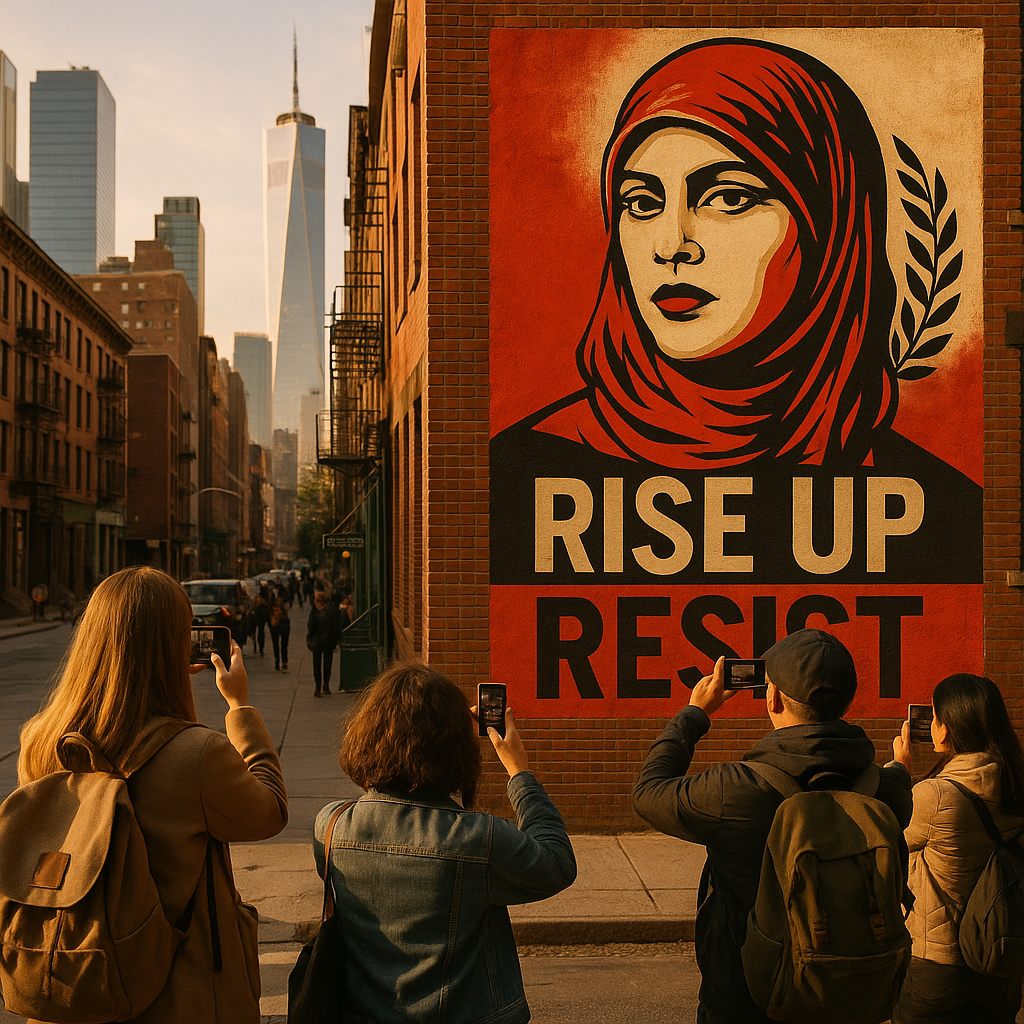
    In the past, street pieces lived and died where they were painted. Now, a mural or stencil can be photographed, posted and shared globally within minutes. This digital afterlife has transformed how political street art is made and consumed.

    Artists increasingly design work with both the street and the screen in mind. High-contrast imagery, bold colour palettes and clever use of perspective help pieces stand out in crowded social feeds. Protest movements have also learned to use murals as visual anchors for campaigns, encouraging supporters to share images as a form of solidarity.

    At the same time, the internet has made it easier for authorities to track and remove unauthorised work, and for brands to imitate activist aesthetics for marketing purposes. The tension between authenticity and commodification is now one of the central debates around street-based political expression.

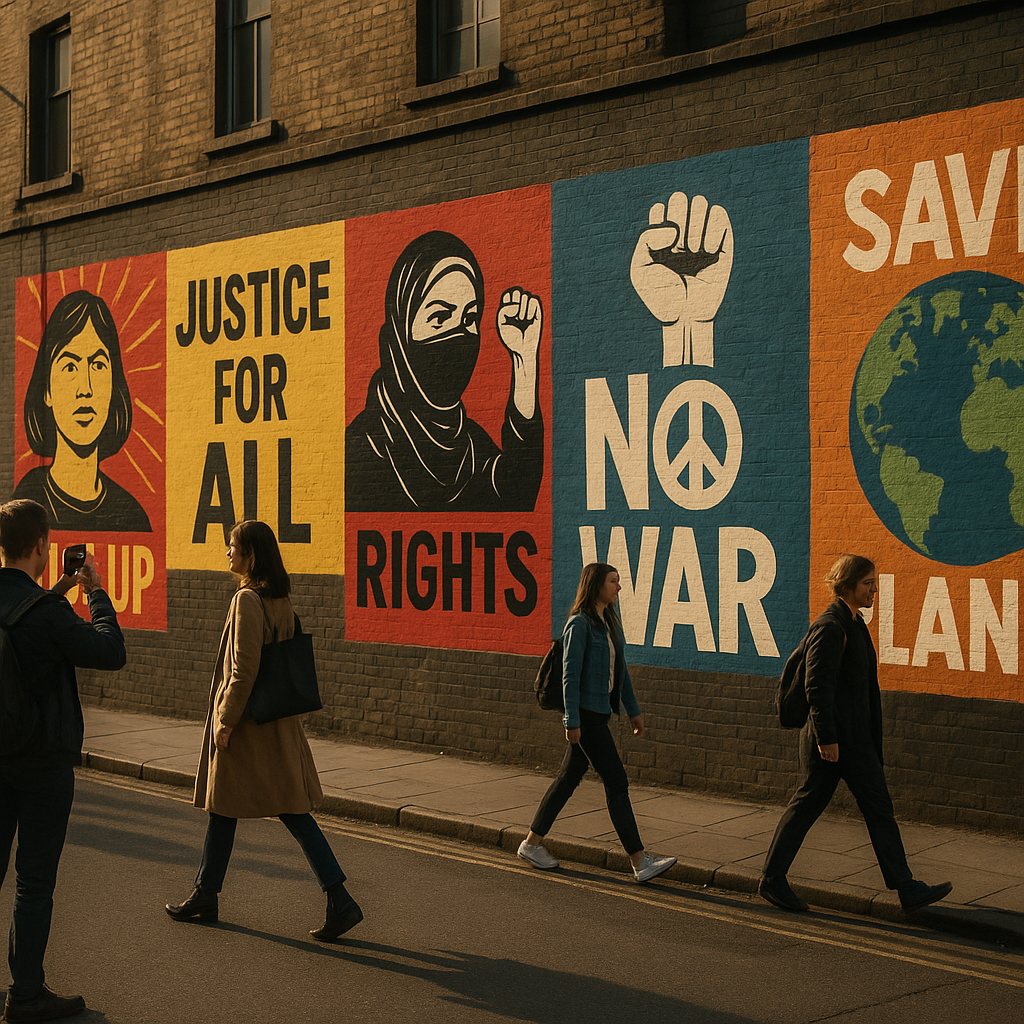
    Artist creating political street art with a stencil on a dimly lit city underpass
    People photographing a large mural featuring political street art on a city building

    Political street art FAQs

    Is political street art legal?

    Legality depends on permission and location. Painting on private or public property without consent is usually classed as criminal damage, even if the work is widely admired. Some cities provide legal walls or commission murals, which gives artists protection and time to create more ambitious pieces. Others operate in a grey zone, tolerated until complaints arise or priorities change. Artists often balance the risk of fines or arrest against the urgency of what they want to say.

    How is street art different from graffiti?

    Graffiti traditionally focuses on lettering, tags and stylised names, often rooted in specific subcultures and crews. Street art is a broader term that includes stencils, murals, paste-ups, stickers and installations, and it is more likely to use figurative imagery or narrative scenes. The two overlap and influence each other, and both can be political, but they have distinct histories and codes. Many practitioners move between them, depending on the message and the space.

    How can I photograph political street art respectfully?

    When photographing work in public, avoid blocking pavements or putting yourself at risk near roads. Try not to reveal artists’ faces or identifiable details if you happen to see them working, as anonymity can be important for safety. Credit the artist if their name or handle is visible, and avoid cropping images in ways that misrepresent the message. If you post online, be aware that geotagging can sometimes draw unwanted attention to sensitive pieces.

    Read more stories…